Heavy equipment relocation is a critical operation in manufacturing plants, engineering projects, and industrial facilities, where safety, precision, and efficiency directly affect production continuity. Selecting the right moving equipment is not simply a matter of choosing a tool with enough load capacity; it requires understanding how different solutions perform under specific working conditions.
Dolly skates and machinery skates are two commonly used solutions for industrial load movement, but they are designed for different purposes. Dolly skates provide flexibility and are suitable for a wide range of transportation tasks, while machinery skates are built for demanding applications involving large, heavy, and precision-sensitive equipment. The correct choice depends on factors such as load weight, equipment structure, floor conditions, movement distance, and positioning requirements.
As an experienced industrial lifting and material handling equipment provider, JC Lifting Machinery helps customers select reliable solutions for machinery relocation, factory installation, and heavy load transportation. This guide compares dolly skates and machinery skates from a practical industrial perspective, helping businesses understand their differences and choose the most suitable equipment for safer and more efficient operations.
What Is the Difference Between a Dolly Skate and a Machinery Skate?
Although dolly skates and machinery skates are often mentioned together in heavy load handling applications, their structures and intended uses are different. Understanding these differences is essential for selecting the right industrial moving solution.
A dolly skate is a portable load-moving device designed to support and transport heavy objects horizontally. It usually consists of a steel frame, load-bearing rollers, and a platform or support surface. Dolly skates are widely used in factories, warehouses, workshops, and maintenance environments because they offer flexibility and easy operation.
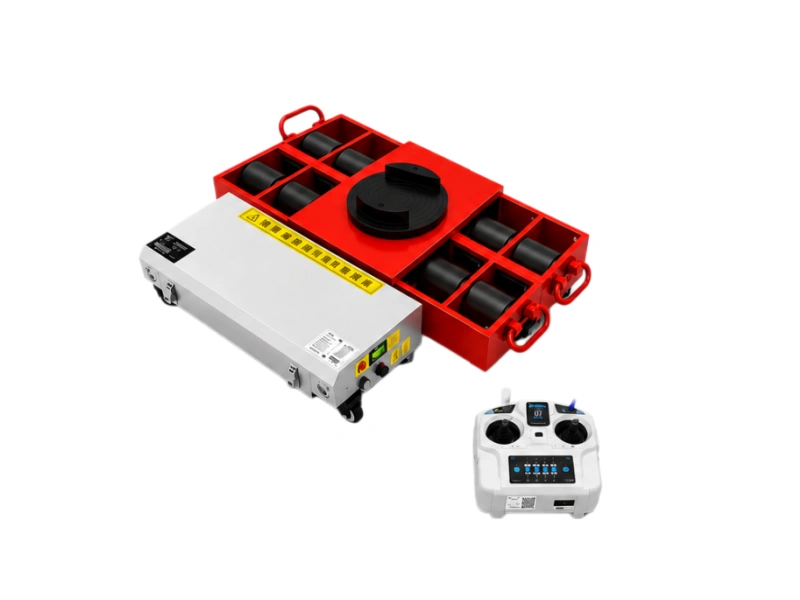
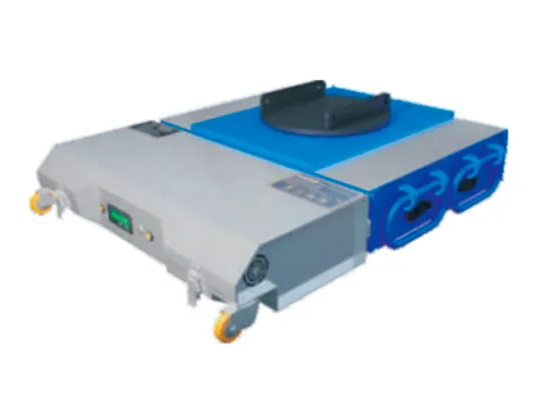
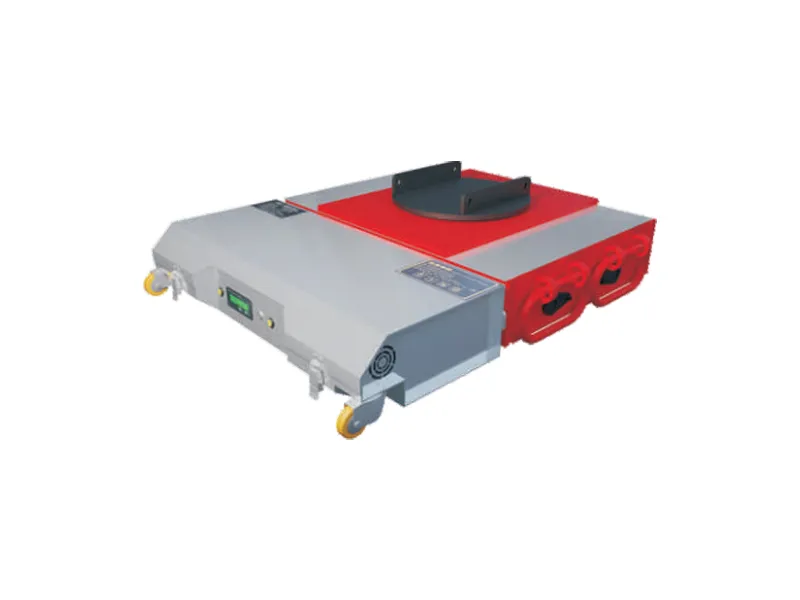
A machinery skate is a specialized industrial moving tool engineered specifically for relocating heavy machinery. It normally features a low-profile design, reinforced steel construction, high-capacity rollers, and improved directional control. These characteristics make machinery skates suitable for moving large machines that require stable and controlled transportation.
| Comparison Factor | Dolly Skate | Machinery Skate |
|---|
| Main Function | Flexible transportation of heavy loads | Precision movement of industrial machinery |
| Typical Load Range | Medium to heavy industrial loads | Heavy and ultra-heavy equipment |
| Main Advantage | Versatility and easy configuration | Maximum stability and controlled movement |
| Common Applications | Workshops, warehouses, equipment handling | Factory relocation, machine installation, engineering projects |
| Mobility | Suitable for flexible movement requirements | Designed for precise positioning |
| Structure | Compact and adaptable design | Heavy-duty reinforced structure |
The choice between these two solutions depends largely on the application. For general industrial transportation where operators need flexibility, dolly skates are often sufficient. However, for moving expensive production equipment, CNC machines, or oversized industrial systems, machinery skates provide better safety and control.
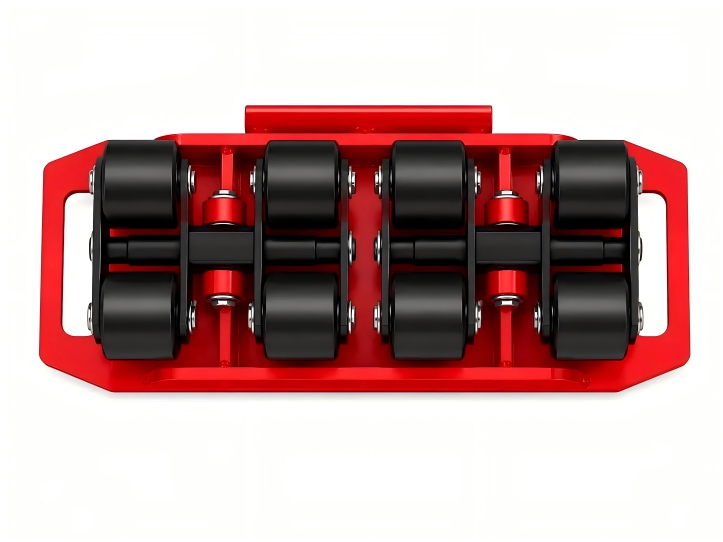
How Do Dolly Skates Support Heavy Load Transportation?
Dolly skates work by transferring the weight of a heavy object onto multiple rollers, reducing the force required for horizontal movement. Before transportation, the load is typically lifted slightly using hydraulic jacks or lifting equipment, allowing the skates to be positioned underneath.
Once installed, multiple dolly skate units can share the total load weight. This distributed support system reduces pressure on individual rollers and creates a more balanced moving process.
Common industrial applications include:
Moving manufacturing equipment between production areas
Transporting heavy molds and tooling systems
Relocating machinery during factory expansion
Handling steel structures and fabricated components
Supporting maintenance and installation projects
The flexibility of dolly skates makes them especially useful for companies handling different equipment sizes. Operators can adjust the number and arrangement of skates according to the load dimensions and weight distribution.
For applications involving long structural materials, selecting a specialized solution such as a dolly for moving steel beams can improve stability and provide more reliable support during transportation.
When Should You Use Machinery Skates Instead?
Machinery skates are designed for situations where load stability, precise movement, and operational safety are the highest priorities. They are commonly used when moving heavy industrial machines that cannot be easily relocated using standard transport methods.
Typical machinery skate applications include:
CNC machine relocation
Heavy press equipment installation
Production line adjustment
Industrial equipment replacement
Power and electrical equipment transportation
Large industrial machines often contain sensitive components that require controlled movement. Excessive vibration, sudden direction changes, or uneven support can affect equipment accuracy or cause damage.
In these situations, a professional machinery skate dolly provides better load distribution and improved movement control. Its reinforced structure allows operators to move heavy equipment with greater confidence while reducing risks during relocation.
Another advantage of machinery skates is their low-profile design. Many industrial machines have limited clearance underneath, making traditional lifting methods difficult. Machinery skates can often be installed in restricted spaces, allowing smoother equipment positioning.
Why Choosing the Correct Industrial Moving Equipment Matters
Heavy equipment movement is not only about transporting a load from one location to another. In industrial environments, every movement involves safety considerations, operational planning, and protection of high-value assets.
Using unsuitable moving equipment may lead to several problems:
Uneven load distribution
Increased risk of equipment damage
Higher labour requirements
Longer installation downtime
Potential workplace safety issues
Professional industrial moving equipment helps companies improve efficiency by reducing manual handling requirements and providing predictable movement performance.
According to workplace safety principles promoted by organizations such as the Occupational Safety and Health Administration (OSHA), proper equipment selection and safe material handling practices are essential for reducing workplace risks.
Key Factors to Consider Before Selecting Dolly Skates or Machinery Skates
Load Weight and Capacity
The first consideration is the total weight of the equipment being moved. The calculation should include the machine itself, attached components, accessories, and any additional loads.
Professional users should avoid selecting equipment based only on the actual weight. A suitable safety margin should always be considered to ensure reliable operation and longer equipment service life.
Load Dimensions and Weight Distribution
The physical size of the equipment and its centre of gravity directly influence moving stability. Large machines with uneven weight distribution may require multiple skates positioned at specific points.
Before transportation, operators should evaluate:
Overall equipment dimensions
Centre of gravity position
Supporting points
Required movement direction
Floor Conditions
The working surface is another important factor. Smooth industrial concrete floors provide ideal conditions, while uneven surfaces or obstacles may require additional planning.
Factors to consider include:
Selecting equipment according to actual working conditions helps prevent unnecessary operational difficulties and improves overall safety.
How to Choose Between Dolly Skates and Machinery Skates for Different Applications?
The correct selection of industrial moving equipment depends on the specific requirements of each project. While both dolly skates and machinery skates can handle heavy loads, their performance advantages become more noticeable in different operating conditions.
For General Equipment Relocation: Dolly Skates Offer Flexibility
Dolly skates are suitable for companies that frequently move different types of equipment within factories or workshops. Their compact structure and flexible configuration allow operators to adapt the moving system according to different load sizes.
Typical examples include:
Moving machines between production areas
Rearranging workshop layouts
Transporting heavy components during maintenance
Supporting equipment installation projects
Because multiple units can be combined, dolly skates provide a practical solution for businesses that need versatile heavy load handling equipment without investing in specialized systems for every application.
For Heavy Industrial Machinery: Machinery Skates Provide Better Control
When moving large and expensive machinery, stability and precision become the priority. Machinery skates are specifically designed for these demanding applications.
They are commonly used in:
Manufacturing plant relocation
Heavy machinery installation
Industrial equipment alignment
Large-scale engineering projects
Machinery skates provide improved load distribution and directional control, making them ideal for moving equipment where even small movements must be carefully managed.
Dolly Skate vs Machinery Skate: Technical Performance Comparison
Understanding the technical differences between dolly skates and machinery skates helps buyers select the right solution according to their operational requirements.
| Technical Parameter | Dolly Skate | Machinery Skate |
|---|
| Design Purpose | Flexible heavy load transportation | Heavy machinery relocation |
| Load Capacity | Suitable for medium to heavy loads | Suitable for high-capacity industrial loads |
| Frame Construction | Compact steel structure | Reinforced heavy-duty steel frame |
| Roller Type | Various roller options depending on application | High-strength rollers designed for industrial loads |
| Movement Control | Flexible movement | Enhanced directional stability |
| Installation Requirement | Simple setup for general transportation | Requires planning for heavy equipment positioning |
| Best Application | Workshops, warehouses, general handling | Factories, engineering, machine relocation |
For professional industrial users, the best solution is not always the equipment with the highest capacity. Instead, the ideal choice is the equipment that matches the load characteristics, working environment, and movement requirements.
What Safety Practices Should Be Followed When Using Industrial Moving Equipment?
Heavy load transportation requires careful planning and proper operating procedures. Even high-quality equipment cannot guarantee safe operation without correct usage methods.
Recommended safety practices include:
Confirm the load weight before operation
Inspect rollers, frames, and components before use
Ensure the load is properly balanced
Keep the moving path clear
Use appropriate lifting equipment for positioning
Avoid exceeding the rated capacity
Companies should also establish standard operating procedures for equipment relocation projects. This helps reduce risks caused by improper handling and improves consistency across different teams.
International safety management systems such as ISO 45001 Occupational Health and Safety Management Systems emphasize the importance of identifying workplace hazards and implementing effective control measures.
Why Choose JC Lifting Machinery for Heavy Load Moving Solutions?
JC Lifting Machinery focuses on providing reliable industrial lifting and moving solutions for customers requiring safe and efficient equipment transportation. With experience in heavy-duty material handling applications, the company understands that different industries require different approaches to equipment relocation.
The company’s solutions are designed for applications including:
Factory equipment installation
Industrial machinery relocation
Workshop material handling
Engineering construction projects
Heavy equipment transportation
JC Lifting Machinery emphasizes practical product design, reliable performance, and application-focused solutions. Instead of offering only standard products, the company helps customers select suitable moving equipment based on load requirements, working environments, and project conditions.
Professional Design and Manufacturing Capability
Industrial moving equipment must withstand repeated heavy-load operations. JC Lifting Machinery focuses on durable structures, reliable components, and practical engineering solutions to ensure stable performance in demanding environments.
Solutions for Different Industrial Requirements
Different industries face different transportation challenges. A workshop moving a single machine has different requirements compared with a complete factory relocation project.
By understanding customer requirements, JC Lifting Machinery helps users select suitable solutions, whether they require flexible transportation tools or specialized heavy machinery moving systems.
How Can Companies Improve Efficiency During Heavy Equipment Relocation?
Efficient equipment relocation requires more than selecting the correct moving device. Proper planning, preparation, and coordination are equally important.
Step 1: Evaluate the Equipment Before Moving
Before starting the relocation process, operators should understand the equipment dimensions, weight distribution, lifting points, and transportation route.
Step 2: Select the Correct Moving Configuration
The number of skates, roller arrangement, and supporting method should be selected according to the actual load conditions.
For projects involving extremely heavy objects, specialized solutions such as skates for moving heavy objects can provide additional support and improve transportation reliability.
Step 3: Prepare the Working Area
The transportation route should be checked before operation. Removing obstacles and confirming floor conditions can significantly improve safety and efficiency.
Step 4: Monitor Movement During Operation
Operators should continuously monitor load stability, roller performance, and movement direction throughout the process. Any abnormal movement should be addressed immediately.
Future Trends in Industrial Heavy Load Handling
As manufacturing industries continue to develop, demand for safer and more efficient material handling solutions is increasing. Modern factories require equipment that improves productivity while reducing manual labour and operational risks.
Future industrial moving solutions are expected to focus on:
Higher load efficiency
Improved operator safety
More flexible configurations
Better compatibility with automated manufacturing environments
Longer equipment service life
Reliable industrial moving equipment will continue to play an important role in factory upgrades, equipment installation, and modern manufacturing operations.
Frequently Asked Questions About Dolly Skates and Machinery Skates
1. What is the main difference between a dolly skate and a machinery skate?
The main difference is their intended application and design focus. Dolly skates are designed for flexible transportation of different heavy loads, while machinery skates are specifically developed for moving large industrial equipment that requires higher stability, load control, and precise positioning.
Dolly skates are commonly used for general material handling tasks in workshops and warehouses, whereas machinery skates are preferred for applications such as factory relocation, CNC machine installation, and heavy equipment positioning.
2. How much weight can industrial machinery skates handle?
The load capacity of machinery skates depends on the specific model, roller design, frame structure, and the number of units used together. Industrial machinery skates can support loads ranging from several tons to extremely heavy equipment when properly configured.
Before selecting a machinery skate, users should calculate the complete equipment weight and consider a suitable safety margin. The load distribution, centre of gravity, and working environment should also be evaluated to ensure safe operation.
3. Can dolly skates be used for moving factory machines?
Yes, dolly skates can be used for many factory machine moving applications when the load weight and operating conditions are suitable. They are especially useful for workshops and facilities that frequently move different types of equipment.
However, for extremely heavy machinery, precision equipment, or projects requiring accurate positioning, machinery skates usually provide better stability and control.
4. What factors should be considered when choosing industrial moving equipment?
Several factors should be evaluated before purchasing industrial moving equipment, including:
Selecting equipment according to actual working conditions helps improve safety, efficiency, and equipment service life.
5. Why are low-profile machinery skates widely used in industrial applications?
Low-profile machinery skates are popular because they can be positioned underneath heavy equipment with limited ground clearance. Many industrial machines have restricted space below their frames, making traditional lifting methods difficult.
The compact structure of machinery skates allows operators to move heavy equipment more efficiently while maintaining better stability during transportation.
6. How can companies ensure safe operation when moving heavy equipment?
Safe heavy equipment movement requires proper planning, suitable equipment selection, and correct operating procedures. Companies should inspect moving equipment before use, confirm load capacity, secure the load properly, and ensure the transportation route is clear.
Operators should also receive appropriate training and follow established safety procedures to reduce workplace risks during industrial relocation projects.
Conclusion
Dolly skates and machinery skates are both essential solutions for modern industrial material handling, but the best choice depends on the specific requirements of each application. Dolly skates provide excellent flexibility for general heavy load transportation, while machinery skates deliver superior stability and precision for moving large industrial equipment.
For businesses involved in manufacturing, engineering, equipment installation, or factory relocation, selecting the right industrial moving solution can significantly improve safety, reduce downtime, and protect valuable machinery.
JC Lifting Machinery provides professional lifting and material handling solutions designed for different industrial requirements. With a focus on reliable performance, practical design, and customer-oriented solutions, JC Lifting Machinery helps customers achieve safer and more efficient heavy equipment movement.
External References
 English