Railway infrastructure relies heavily on specialized lifting equipment to maintain tracks, rail cars, and mechanical components. Among these tools, the railway jack remains one of the most essential devices used by railway maintenance crews, engineering contractors, and heavy-duty industrial operators. With different technologies, load ratings, and safety classifications available, choosing the right model is critical for safe and efficient track operations.
This guide explores the main types of railway jacks, key safety standards, the applications in railway and rolling-stock maintenance, and what professionals should consider when selecting the most suitable jack for their operations.
What Is a Railway Jack and How It Works
A railway lifting jack is a heavy-duty mechanical or hydraulic lifting device used to raise railway tracks, sleepers, and rail vehicles during installation, leveling, maintenance, or emergency repair operations. The design allows operators to lift extremely heavy loads with precision while ensuring long-term stability on uneven or gravel-based railway surfaces.
How a Railway Jack Works
Most railway jacks use one of three mechanisms:
Mechanical screw or rack lifting – provides precise, incremental lifting.
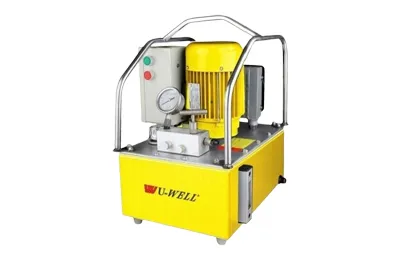
Hydraulic pressure lifting – offers high load capacity with minimal manual effort.
Key purposes:
Track alignment and leveling
Sleeper replacement
Rail car wheelset and bogie service
Emergency derailment recovery
Because railway operations require strict lifting accuracy and safety, jacks used in this industry must adhere to established engineering standards and load-testing regulations.
Types of Railway Jacks
Different applications require different jack technologies. Below is a comparison of the most common types of railway jack systems used today.
Comparison Table: Types of Railway Jacks
Railway Jack Type | Lifting Mechanism | Typical Load Capacity | Best Use Cases | Advantages |
Mechanical Screw Jack | Manual screw or rack gear | 5–20 tons | Track lifting, alignment | Highly durable, easy to maintain |
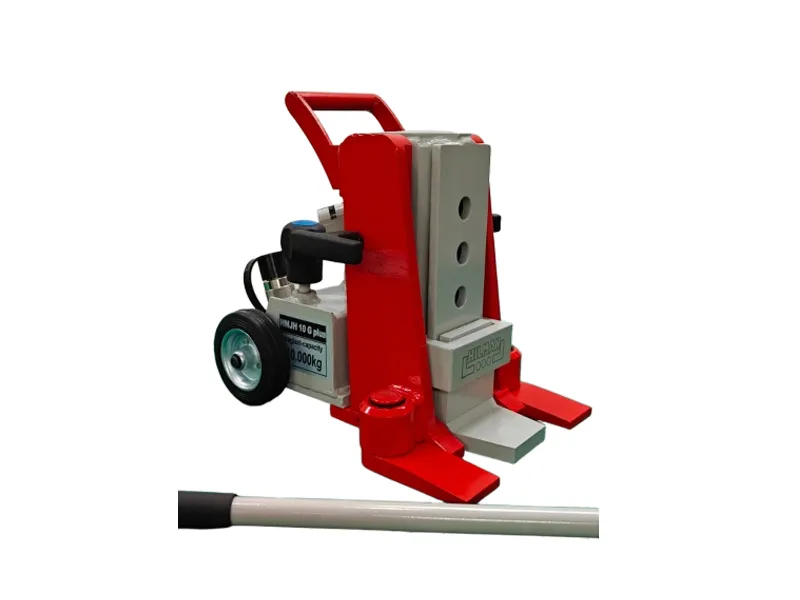
Hydraulic Railway Jack | Hydraulic pump or hand pump | 10–100+ tons | Heavy rail car lifting, sleeper replacement | High lifting power, low operator effort |
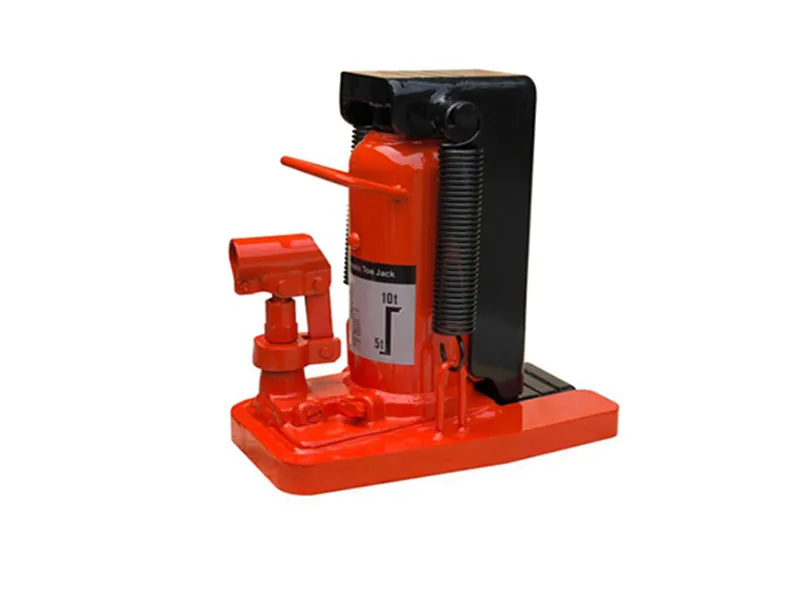
Toe Lift / Bottle Style Railway Jack | Hydraulic cylinder | 5–50 tons | Lifting from low clearance points | Compact, versatile |
Key Differences
Mechanical jacks are robust and reliable for remote trackwork.
Hydraulic jacks deliver powerful lifting with minimal labor.
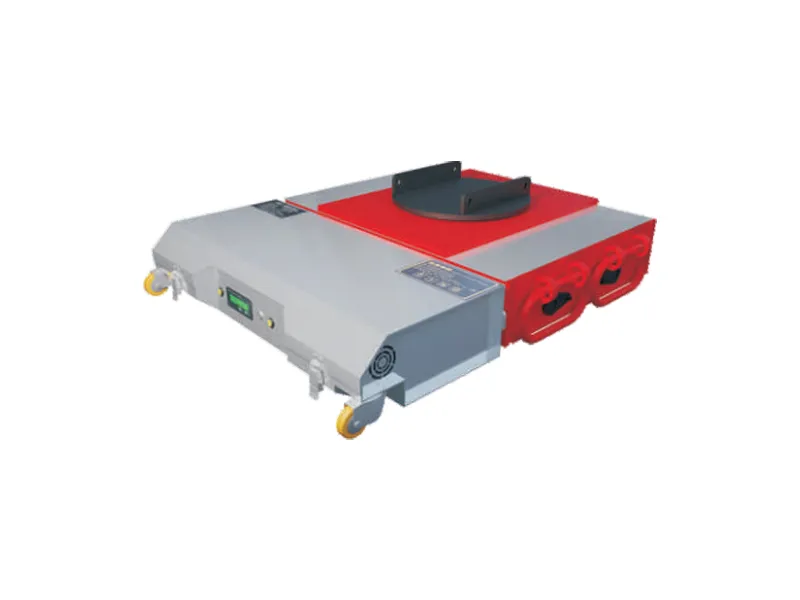
Electric jacks are suited for professional maintenance depots.
Understanding these differences helps teams choose the right equipment for daily track maintenance or heavy overhaul tasks.
Safety Standards and Requirements for Railway Jacks
Due to the extreme loads involved, railway jacks must comply with rigorous safety standards. These standards protect workers, ensure structural stability, and define safe lifting procedures.
Major Safety Guidelines Include:
Load rating compliance – jacks must be tested to exceed rated capacities.
Stable base construction – essential for ballast track environments.
Fail-safe locking mechanisms – prevent accidental descent.
Regular inspection cycles – required by most railway authorities.
Relevant Industry Standards
OSHA heavy-lifting equipment guidelines
Railway vehicle maintenance safety principles
UIC (International Union of Railways) safety recommendations
Key considerations:
Operators must follow proper lifting angles.
Jacks should only be used on approved surfaces.
Load distribution must be maintained at all times.
Failure to follow safety protocols can result in equipment damage or operational hazards, making standard-compliant railway jacks essential for professional use.
How to Choose the Right Railway Jack
Selecting the right railway jack requires evaluating several technical and operational factors. These considerations ensure the jack matches your maintenance demands and safety requirements.
1. Determine Your Load Requirements
2. Choose the Right Lifting Technology
Mechanical jacks → durability and field reliability
Hydraulic jacks → heavy-duty lifting with ease
Electric jacks → precision and depot-level efficiency
3. Check Compatibility With Work Environment
Ballast track vs. concrete slab track
Low clearance lifting points
Depot vs. field maintenance
4. Verify Compliance With Safety Standards
A qualified railway jack should comply with:
Load rating and certification
Anti-drop mechanism standards
Stabilizer base requirements
5. Consider Service, Maintenance, and Parts Availability
Long-term operation requires:
Easily accessible parts
Minimal lubrication needs
Professional after-sales technical support
This is why many industrial operators choose established suppliers with professional manufacturing capability.
Why JUCAI Is a Trusted Provider of Railway Lifting Equipment
As a leading lifting equipment supplier, JUCAI delivers solutions trusted across industrial, construction, and transportation sectors. With advanced R&D capabilities, modern manufacturing technology, and a strong service system, JUCAI provides safe, efficient, and reliable lifting products.
Whether you require electric pallet trucks, hydraulic jacks, or specialized lifting systems, JUCAI offers professional-grade solutions that meet strict industrial and railway safety standards.
JUCAI remains an ideal partner for companies seeking:
High-performance lifting equipment
Customized lifting solutions
Long-term service support
Professional engineering guidance
For railway operators, choosing the right railway jack ensures safe, precise, and efficient maintenance operations — and JUCAI provides the reliability your team needs.
FAQs About Railway Jacks
1. What load capacity should I look for in a railway jack?
Most railway jacks range from 5 to 200 tons, depending on whether they are used for track lifting or rail vehicle maintenance. Always choose a model that exceeds your maximum expected load.
2. Are hydraulic railway jacks safer than mechanical ones?
Hydraulic jacks provide smoother lifting and higher load capacity, while mechanical jacks offer durability and precise control. Both are safe when built to industry standards and used correctly.
3. How often should a railway jack be inspected?
Professional guidelines recommend before every use, with monthly inspections and annual full safety testing based on industry standards.
 English