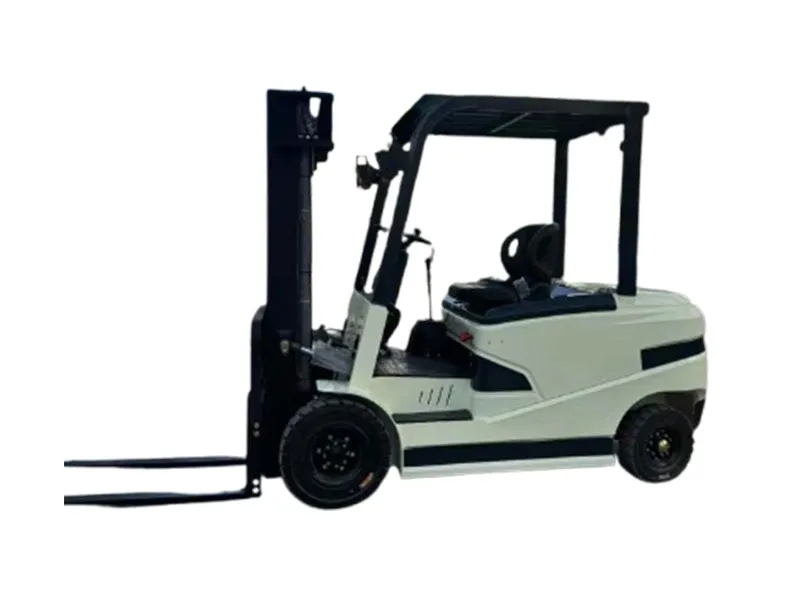
A Scissor Forklift is one of the most versatile lifting machines used in modern warehouses, logistics centers, and industrial work zones. Combining the vertical lifting mechanism of a scissor lift with the load-handling capability of a forklift, it offers safe, efficient, and stable elevation for materials and workers alike. As industries move toward higher-density storage and faster operations, scissor forklifts have become indispensable in material handling.
This comprehensive guide explains what a scissor forklift is, how it works, and why so many industrial operations rely on it. You will also learn how to choose the right model, where these machines are most commonly used, and what safety considerations matter most.
What Is a Scissor Forklift?
A Scissor Forklift is a lifting vehicle equipped with a scissor-style hydraulic mechanism that raises and lowers the platform vertically. Unlike standard forklifts, which rely on a front mast system, scissor forklifts are designed to:
Lift heavy loads straight up and down
Provide enhanced platform stability
Operate in tight warehouse aisles
Support both material handling and personnel elevation
Main Components
Hydraulic scissor arms – provide vertical lifting power
Platform or load deck – supports pallets, materials, or technicians
Electric or diesel power system – controls lifting mechanisms
Chassis with wheels or tracks – ensures maneuverability
Why This Matters
Scissor forklifts reduce manual lifting, speed up warehouse operations, and significantly enhance workplace safety. Their compact structure also makes them ideal for multi-level storage environments.
How Does a Scissor Forklift Work?
Scissor forklifts operate through a powerful hydraulic or electric-driven system that expands the crisscross metal supports beneath the platform.
Step-by-Step Working Principle
Hydraulic pressure increases, causing the metal legs to expand.
The scissor framework moves upward, lifting the load vertically.
To descend, the system releases hydraulic pressure gradually.
Advanced models include automatic stabilization for uneven floors.
Electric vs. Hydraulic Power Systems
Feature | Electric Scissor Forklift | Hydraulic Scissor Forklift |
Noise Level | Very low | Medium |
Maintenance | Lower maintenance | Requires hydraulic service |
Lifting Speed | Fast and precise | Powerful but slower |
Indoor Use | Excellent | Good |
Outdoor Use | Limited | Excellent |
Electric-powered scissor forklifts are preferred indoors, while hydraulic models excel in rugged construction settings.
Top Warehouse and Industrial Applications of Scissor Forklifts
Scissor forklifts support a wide range of applications across industrial environments. Their ability to lift loads vertically with exceptional stability allows them to replace ladders, manual lifts, and even traditional forklifts depending on the task.
Common Use Cases
1. Warehouse Operations
Pallet positioning and stacking
High-rack picking and storage
Inventory management
Loading and unloading materials
2. Manufacturing Facilities
Moving components to assembly lines
Servicing elevated machinery
Transporting raw materials
3. Construction & Industrial Maintenance
Working at height for repairs
Installing pipes, wiring, and ductwork
Lifting tools and materials to elevated levels
4. Logistics & Distribution Centers
Rapid sorting and pallet movement
Efficient order-fulfillment tasks
Industries That Rely on Scissor Forklifts
Manufacturing
Automotive plants
Warehousing & 3PL logistics
Construction
Aviation
Retail distribution centers
How to Choose the Right Scissor Forklift
Choosing the right model depends on your operational environment and load requirements. Below are the most important factors.
Key Selection Criteria
1. Load Capacity
Determine your heaviest loads. Choosing a model below your load needs can compromise safety and efficiency.
2. Platform Size
Large platforms support multiple workers or big materials; smaller ones suit narrow aisles.
3. Lifting Height
Typical scissor forklifts range from 3–12 meters, depending on the application.
4. Power Type
Electric: indoor use, quiet, clean
Diesel: outdoor or construction sites
Hybrid: versatile across environments
5. Safety Features
Emergency stop button
Overload protection
Anti-slip platform
Wheel brakes
Guardrails
6. Maintenance Requirements
Models with fewer hydraulic components may reduce long-term maintenance costs.
Safety Guidelines and Maintenance Tips for Scissor Forklifts
Safety remains the top priority in all lifting operations.
Safety Tips
Conduct a pre-operation inspection daily
Ensure the platform is fully lowered before moving
Never exceed the rated load capacity
Avoid operating on steep or uneven slopes
Wear proper PPE and maintain a secure stance on the platform
Only trained operators should use scissor forklifts
Maintenance Checklist
Maintenance Item | Frequency |
Hydraulic oil inspection | Weekly |
Battery check (electric models) | Daily |
Platform cleaning | Daily |
Brake system inspection | Monthly |
Structural integrity check | Quarterly |
Regular maintenance extends equipment life and reduces operational risks.
About JUCAI — Your Trusted Lifting Equipment Partner
JUCAI is a leading supplier of lifting and material-handling equipment, offering advanced research capabilities, superior manufacturing technology, and an efficient service system. From factories to warehouses and construction sites, JUCAI provides powerful, safe, and reliable solutions tailored to business needs. As an experienced lifting jack manufacturer, JUCAI also supplies machine skates, electric pallet trucks, forklifts, and customized material-handling solutions for industrial projects.
If you require electric pallet trucks, hydraulic jacks, machine skates, or any type of lifting equipment, JUCAI is the ideal long-term partner you can trust.
FAQs
1. Are scissor forklifts safe for indoor use?
Yes. Electric scissor forklifts are ideal for indoor environments due to quiet operation and zero emissions.
2. How much weight can a scissor forklift lift?
Most industrial models lift 500–3,000 kg, depending on their size and purpose.
References
Hydraulic Lifting Safety Guidelines – OSHA
Industrial Lift Equipment Best Practices – WorkSafe
 English