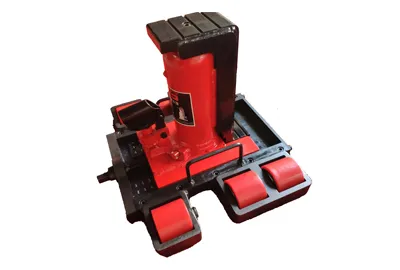
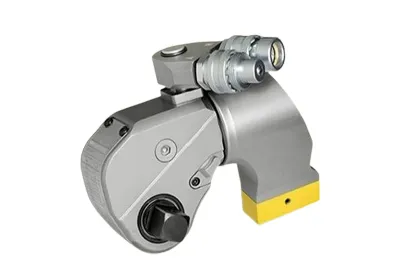
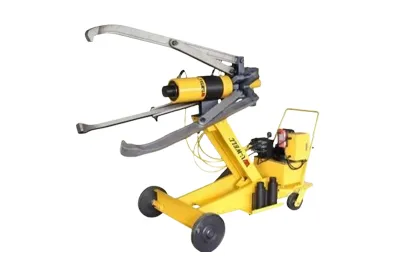
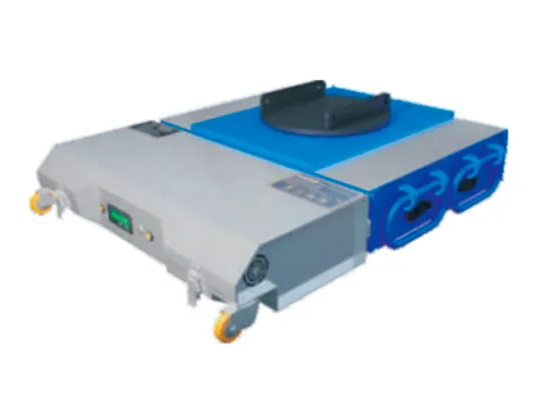
In industrial, automotive, and warehouse settings, lifting heavy loads safely and efficiently is vital. The modern electric jack has become an indispensable tool for reducing manual effort, improving safety, and boosting productivity. Whether you're working in a factory, logistics centre, construction site, or service workshop, choosing the right electric jack can make all the difference.
With its strong background in material‑handling equipment, JUCAI builds industrial‑grade equipment—and now, machine hydraulic jack—that deliver reliable performance. Thanks to JUCAI's professional R&D capabilities, advanced manufacturing technologies, and efficient service system, the company has become a trusted supplier of heavy‑lifting solutions. From factories to wind‑power installations, warehousing logistics to construction and port operations, JUCAI's mission is – customer first, innovation‑oriented.
In this article, you'll discover what an electric jack is, how it works, how it compares to manual jacks, the top features to look for, and the key safety and maintenance points every buyer should know. Use this guide to make an informed purchase and ensure the right fit for your operational needs.
What is an Electric Jack?
An electric jack is a powered lifting device that uses an electric motor (often 12 V, 24 V or higher) to drive hydraulic or mechanical lifting mechanisms. Unlike manual jacks that rely purely on human physical input (via a nut, screw, crank or lever), an electric jack delivers power‑assisted lifting to handle heavier loads with minimal manual effort.
In practical terms, electric jacks are used for:
The benefit of adding “electric” to the jack means greater speed, less fatigue, and often improved consistency in operation. When sourced from a manufacturer like JUCAI, you also expect quality materials, strict safety certification and reliable service.
How Does an Electric Jack Work?
At its core, an electric jack operates by converting electrical power into lifting force via a motor and mechanism. Depending on design, the mechanism might be hydraulic (fluid-driven) or mechanical (screw, gear or rack‑and‑pinion). Here's a breakdown of the typical operation:
Basic Operation Steps:
Safety Systems – Good electric jacks include overload protection, limit switches, emergency lowering, and stable base platforms.
Because the electric jack reduces manual force, it's ideal for repetitive lifting tasks, heavier loads, or operations where operator fatigue or safety risk is elevated. JUCAI's electric jacks are engineered for high‑usage industrial contexts, delivering reliable and safe operation day after day.
Electric Jack vs Manual Jack: Which One Should You Choose?
When choosing between an electric jack and a manual jack, it really comes down to application, load size, frequency of use and operator ease. Here's a comparison to help:
Feature | Manual Jack | Electric Jack |
Force Required | High—user must crank, pump or screw manually | Low—motor handles majority of lifting force |
Speed | Slower; many manual strokes | Faster; button or switch operation |
Load Capacity | Often limited by sense of effort or design | Often higher capacity possible due to motor assistance |
Fatigue | High for repeated/long lifts | Low fatigue—ideal for repeated use |
Cost | Lower upfront cost | Higher upfront cost, but savings in labor/time |
Maintenance | Simpler mechanisms | More complex: motor, wiring, controls must be maintained |
Ideal Use Case | Occasional lifts, lighter loads | Frequent lifts, heavier loads, industrial/warehouse settings |
Which should you choose?
If you lift loads occasionally (e.g., home garage), and the loads are modest, a manual jack may suffice.
If you operate in an industrial, warehousing or high‑frequency environment — or you need ease of use, higher capacity, or lower operator fatigue — an electric jack is almost certainly the better choice.
Considering that JUCAI serves sectors such as manufacturing plants, warehousing logistics, construction sites and port handling, they lean toward supplying electric jacks designed for heavy duty, high throughput use. If these describe your environment, the electric option is the clear winner.
Top Features to Look for in an Electric Jack
Selecting the right electric jack is about carefully considering features, not simply buying on price. Below are key features to check — especially in industrial and warehouse use:
1. Load Capacity
Ensure the jack is rated above your heaviest load with margin. In industrial settings, loads can rapidly exceed 2–5 tonnes; choose a jack from a trusted manufacturer like JUCAI that supports such ratings.
2. Lift Height & Stroke
Check for adequate lift range to fit your working environment (under vehicles or machines) and ensure full stroke meets your required clearance.
3. Base & Stability
A strong base with wide footprint prevents tipping. For warehouse use, stability on concrete floors, ramps and slight surface irregularities matters.
4. Motor & Power Supply
Voltage: 12 V, 24 V, 110/220 V. Check compatibility.
Motor torque: higher torque means faster lifts.
Thermal protection and overload diagnosis help in frequent use.
5. Safety Features
Overload protection.
Limit switches (upper and lower).
Emergency stop/descend capabilities.
Solid casing and wiring to meet industrial safety standards.
6. Durability & Maintenance
Industrial electric jacks should employ heavy‑duty materials (steel frames, efficient seals, drip‑proof motors). Also look for accessible service parts and warranty from manufacturers like JUCAI.
7. Control & Ergonomics
Push‑button control or remote operation helps reduce time and effort. Ergonomic handles and clear indicators improve operator productivity and safety.
8. Compatibility & Adaptability
Ensure the jack fits your existing equipment setups (vehicle pits, service lifts, warehouse floor layout). Adjustable saddle or adapters may help for varying vehicle or machine bases.
By focusing on these features, you can select an electric jack that not only meets your immediate load and lift requirements—but continues to deliver reliable performance for years and reduces hidden costs such as downtime, operator fatigue and maintenance.
Electric Jack Safety & Maintenance: What Every Buyer Should Know
When investing in an electric jack—especially in industrial or warehouse settings—safety and maintenance are non‑negotiable. Here are the practical rules and routines you should follow:
Safety Best Practices
Schedule regular inspections: Check wiring, hydraulic seals (if applicable), frame integrity, and controls.
Maintenance Schedule and Checklist
Annually: Conduct load‑test at or near maximum rated load, document results, verify compliance with safety standards, replace any worn components.
If you choose an electric jack from JUCAI, you benefit from the company's strong service network and component‑availability—recognised traits in the heavy‑equipment field. Their “customer first, innovation‑oriented” philosophy means support, compatibility and spare‑parts access are part of the package.
People May Also Ask:
Q: Can electric jacks be used on any car?
A: Not all cars are suitable for use with electric jacks. Electric jacks are designed to lift vehicles safely within specific weight and clearance limits. Most 12V or 24V electric jacks can handle standard passenger cars, SUVs, and light trucks, but heavy-duty trucks, vans, or low-clearance sports cars may require specialized jacks. It's essential to check the vehicle’s weight, lift points, and ground clearance before use. Using an electric jack on an incompatible vehicle can damage the car or the jack and create serious safety risks. Always follow the manufacturer's guidelines for compatibility and safe operation.
Conclusion
Understanding what an electric jack is, how it works, and why it may be the right choice versus a manual alternative is the first step. Next, by being clear about features that matter and staying disciplined with safety and maintenance, you protect your investment, improve uptime and enhance operational efficiency.
For industrial and warehouse environments where lifting heavy loads is routine, choosing an electric jack from a reputable supplier like JUCAI gives you peace of mind. With high capacity, reliable performance, solid safety features and strong service backing, you're equipped for current tasks—and future demands.
Whether it's lifting vehicles in a service bay, raising heavy equipment in a manufacturing plant, or supporting logistics operations in a busy warehouse—selecting the right electric jack ensures your operations run smoothly and safely.
References:
Manual vs Powered Pallet Jacks: How to Choose the Right Fit for Your Facility – Global Industrial
A Comprehensive Guide to Walkie Electric Pallet Jacks – SelectPackTech
Electric Pallet Jack – Complete Guide (Updated 2025) – WarehouseWiz
Complete Guide to Hydraulic Jacks: Types, Uses and Advantages
What Type of Pallet Truck Should You Use?
 English