Electric pallet stackers have become one of the most essential material-handling tools in modern logistics, manufacturing, and warehousing environments. Their compact design, electric-powered lifting system, and ease of operation make them ideal for industries that require safe and efficient vertical material movement.
As businesses continue to optimize warehouse workflows and reduce labor intensity, electric pallet stackers have become a preferred alternative to manual pallet jacks and a cost-effective supplement to traditional forklifts.
What Is an Electric Pallet Stacker?
An electric pallet stacker is a battery-powered lifting device used to transport and lift palletized goods to various heights, typically ranging from 1.6 to 5 meters. Unlike manual pallet stackers, electric stackers feature electric drive and lifting systems, making them more efficient, safer, and easier to operate in high-volume environments.
Key Functions of an Electric Pallet Stacker
Common Types of Electric Pallet Stackers
To help readers understand the differences, here is a comparison table of commonly used electric stacker types:
Type | Best Use Case | Lift Height | Load Capacity | Ideal Industry |
Walkie Stacker | Light to medium warehouse tasks | 1.6–3.5 m | 1000–1500 kg | Retail, small warehouses |
Ride-On Stacker | Long-distance & high-frequency operations | 2–5 m | 1200–2000 kg | Large logistics centers |
Straddle Stacker | Handling closed pallets & narrow aisles | 2–4.5 m | 1000–1800 kg | Manufacturing & packaging |
Counterbalanced Stacker | Handling non-palletized loads | 2–5 m | 1200–1500 kg | Automotive, metal parts |
Electric pallet stackers are ideal for companies that need efficient lifting solutions but may not require a full-sized forklift or want a more cost-effective option.
Applications of Electric Pallet Stackers in Warehousing and Logistics
Warehousing and logistics represent the largest user base for electric pallet stackers. The equipment's ability to operate in narrow aisles and lift loads safely makes it essential for modern fulfillment operations.
1. Order Picking and Inventory Management
Electric pallet stackers allow operators to lift pallets to the exact height required for picking, reducing operator fatigue and improving accuracy.
2. Pallet Stacking and Storage Optimization
Stackers help warehouses maximize vertical storage space without expanding floor area—critical for facilities with high SKU counts or limited space.
3. Loading and Unloading Goods
While forklifts handle heavy-duty loading, electric pallet stackers are perfect for:
4. Cold Storage and Food Distribution
Because they are electric, stackers produce no emissions, making them ideal for temperature-controlled environments such as:
Frozen warehouses
Food and beverage distribution centers
Their quiet operation and precise maneuvering significantly reduce workplace noise and improve handling efficiency in confined aisles.
Electric Pallet Stackers in Manufacturing and Industrial Production
Manufacturing plants depend heavily on electric pallet stackers to support continuous production flow. Their ability to move heavy loads between stations ensures smooth operations and reduces downtime.
1. Feeding Production Lines
Stackers are used to move raw materials, components, and subassemblies directly to assembly lines. With controlled lifting capability, operators can place materials exactly where needed.
2. Handling Work-in-Process (WIP) Materials
Industries such as automotive, metal fabrication, and electronics require fast, safe movement of semi-finished goods. Electric stackers ensure:
3. Finished Goods Transportation
After production, finished items are packed and palletized. Electric pallet stackers transport these goods to warehouses, staging areas, or shipping docks.
4. Environments with Limited Space
Manufacturing plants often have crowded layouts with machines, conveyors, and storage systems. Electric pallet stackers excel in:
They offer exceptional turning radius control, allowing efficient navigation where forklifts cannot operate.
Other Industry Applications: Retail, E-Commerce, Healthcare, and More
Electric pallet stackers are used across multiple industries beyond warehousing and manufacturing, thanks to their flexibility and cost efficiency.
1. Retail and Supermarkets
Retail stores often handle large volumes of boxed goods and require equipment that is:
Electric stackers minimize floor damage and improve stocking efficiency.
2. E-Commerce Fulfillment Centers
E-commerce operations demand high-speed material movement. Electric pallet stackers help in:
They are ideal for 24/7 operations due to their low maintenance needs.
3. Pharmaceutical and Medical Distribution
Stackers are preferred in hygienic environments because they:
Their precision is crucial for handling sensitive medical supplies.
4. Printing, Packaging, and Paper Industries
Their gentle lifting helps prevent product damage—critical for fragile packaging materials.
JUCAI: A Trusted Provider of Electric Pallet Stackers and Lifting Equipment
JUCAI has built a strong reputation as a reliable and innovative supplier of material-handling and lifting equipment. With advanced R&D capabilities, state-of-the-art manufacturing technology, and a highly responsive service system, JUCAI has become a trusted partner for industries requiring efficient and safe lifting solutions.
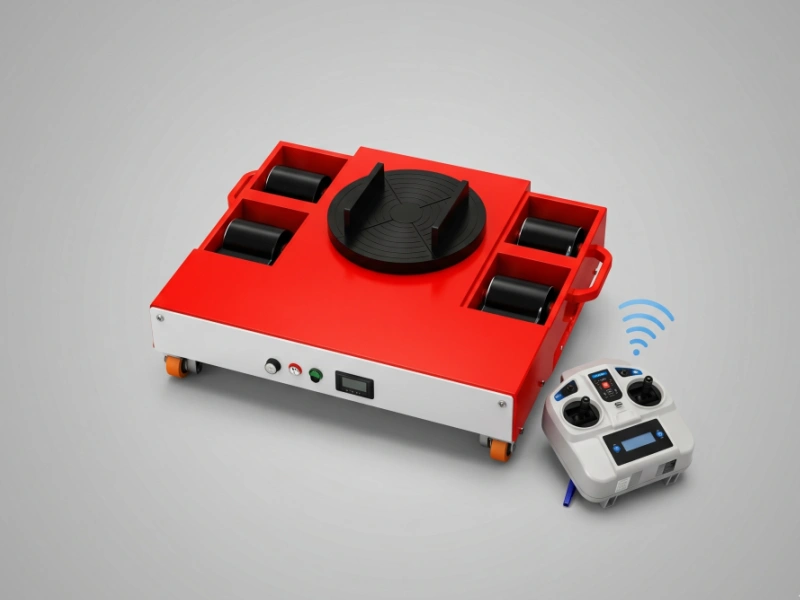
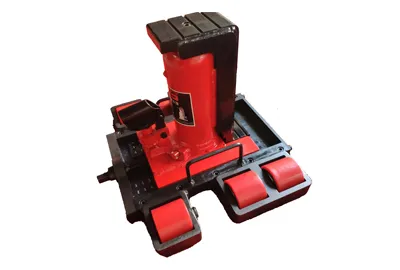
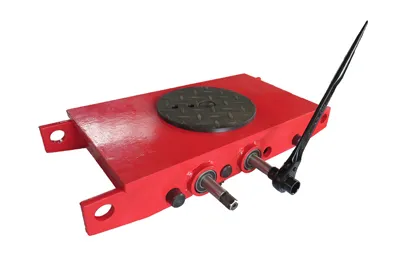
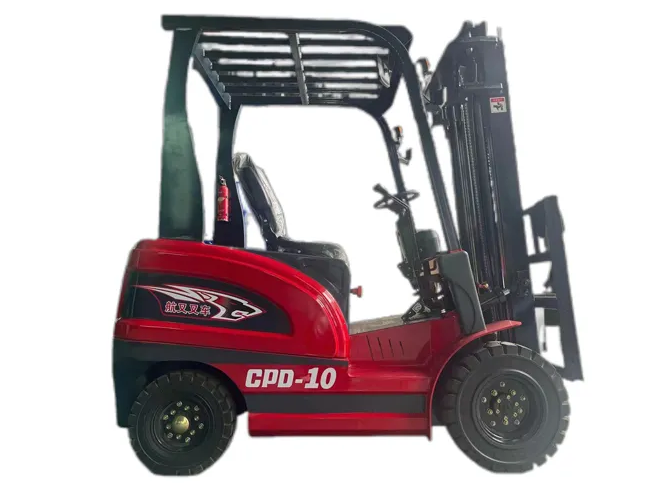
JUCAI offers a wide range of products including:
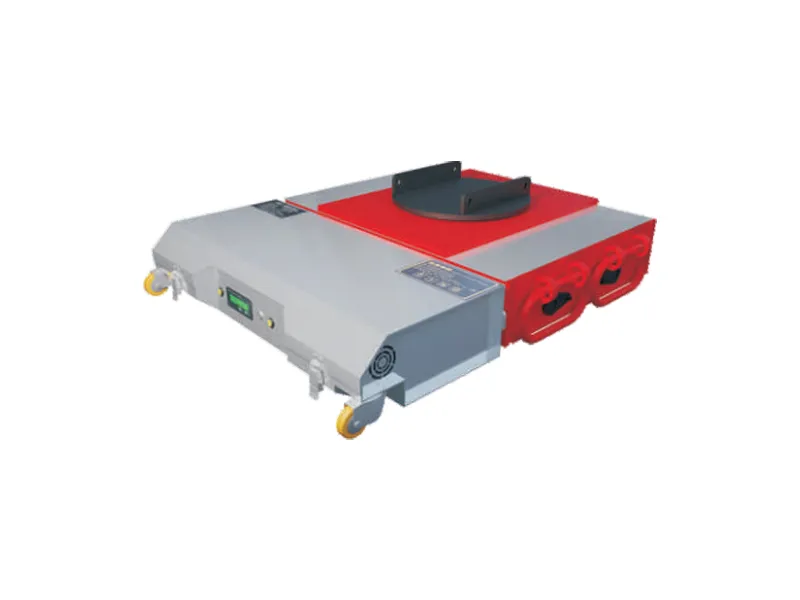
For non-palletized machinery positioning, buyers can also evaluate available electric jack for sale options by load capacity, stroke, power supply, control accuracy, and required duty cycle.
Whether for factories, warehouses, logistics centers, or construction sites, JUCAI delivers high-quality, durable, and dependable material-handling solutions customized to meet business needs.
For companies seeking performance, safety, and reliability, JUCAI is an ideal partner dedicated to supporting your long-term operational success.
References:
Occupational Safety and Health Administration – Powered Industrial Trucks
Material Handling Industry (MHI) – Industrial Truck Information
Industrial Truck Association – Forklift and Stacker Standards
 English