As industrial environments continue to evolve, the demand for safer, faster, and more efficient load-moving solutions has never been higher. Rigger skates—also known as machinery skates or machine-moving skates—play a critical role in transporting heavy machinery across factory floors, warehouses, and construction sites. Traditionally, manual rigger skates have been a standard tool for rigging operations. However, the rise of Powered Machine Skates has transformed the way companies handle machinery relocation, improving safety, speed, and precision.
This complete guide compares manual and powered rigger skates, analyzes their pros and cons, and explains where each type is best applied. If your business involves heavy-load moving or equipment installation, understanding these differences will help you optimize both efficiency and safety.
What Are Rigger Skates? How Manual and Powered Options Work
Rigger skates are low-profile platforms equipped with steel rollers or polyurethane wheels, designed to support and move heavy machinery smoothly across flat surfaces. They reduce friction, distribute weight evenly, and give operators better control over large equipment.
How Manual Rigger Skates Work
Manual skates rely on human or external force—pushing, pulling, using pry bars, winches, or forklifts. They are purely mechanical and contain no motors or electronics.
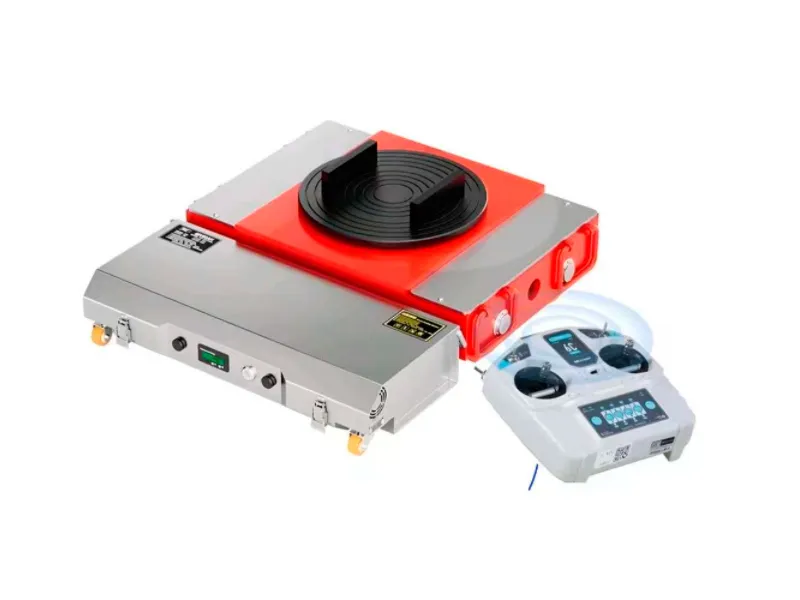
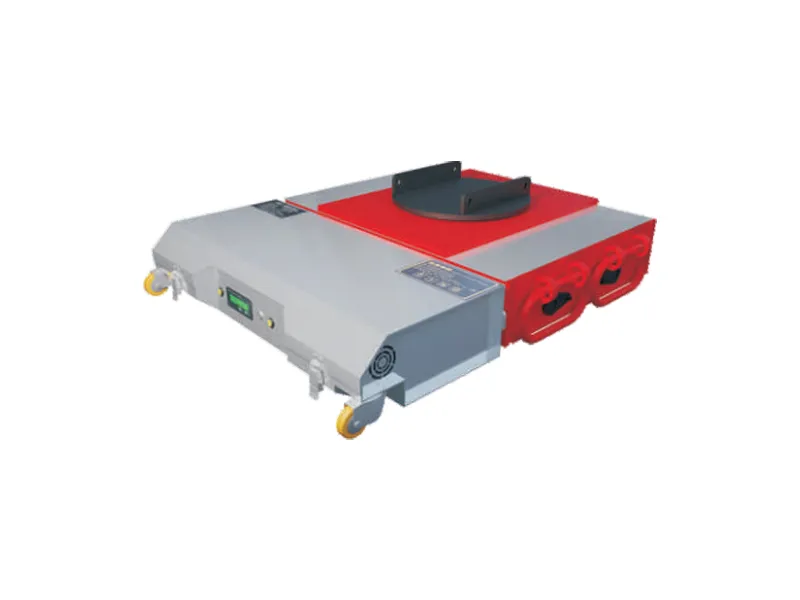
How Powered Machine Skates Work
Powered Machine Skates integrate:
Electric drive motors
Battery systems
Remote-control steering
Automatic load control
Adjustable speed
Instead of relying on physical strength, powered skates allow operators to move multi-ton machinery with just a handheld control device. This significantly reduces injury risk, improves maneuverability, and enhances operational efficiency.
Manual vs Powered Rigger Skates: Comparison Table
Below is an easy-to-read comparison table highlighting the key differences between manual and powered skates:
Feature / Factor | Manual Rigger Skates | Powered Machine Skates |
Power Source | Human force / external push | Electric motors & battery |
Load Capacity | Good, but limited by human ability | Excellent, capable of very heavy machinery |
Speed Control | Manual and inconsistent | Smooth, adjustable speed control |
Precision Steering | Requires teamwork & effort | Remote-controlled, highly precise |
Safety Level | Higher risk of strain & human error | Significantly safer and more stable |
Best For | Small shops, occasional moves | Industrial facilities, heavy equipment relocation |
Cost | Low initial cost | Higher initial investment but lower long-term cost |
Operational Efficiency | Moderate | Very high |
Labor Requirement | High | Minimal—often one operator |
Ideal Load Weight | 5–20 tons | 20–100+ tons |
From this comparison, it's clear that while manual skates remain useful in smaller operations, Powered Machine Skates outperform them in almost every high-demand industrial scenario.
Pros and Cons: Why Powered Machine Skates Offer Superior Value
Advantages of Manual Rigger Skates
Manual skates still have a place in many operations due to:
They are ideal for businesses with occasional moving tasks or lighter machinery.
Advantages of Powered Machine Skates
1. Precision Movement and Remote Control
Powered Machine Skates allow operators to:
Steer in tight spaces
Make millimeter-level adjustments
Maintain consistent speed
Avoid sudden load shifts
This precision is especially valuable in:
CNC machine installation
Press machine relocation
Production line reconfiguration
2. Enhanced Safety and Reduced Injury Risk
Manual skates often require multiple workers to coordinate movement—leading to:
Back strain
Foot injuries
Sudden load tilting
Powered skates eliminate these risks through:
Automated movement
Smooth acceleration
Emergency stop functions
Overload protection
This aligns with modern industrial safety standards and reduces workplace injury costs.
3. Higher Productivity and Lower Labor Costs
One operator can move loads that would normally require a team using manual skates. This dramatically increases work efficiency, especially in large facilities.
4. Ideal for Heavier, More Frequent Moves
Powered Machine Skates handle extremely heavy loads without additional strain, making them ideal for:
Heavy manufacturing plants
Automotive factories
Aerospace facilities
Large-scale equipment installation contractors
5. Lower Long-Term Operational Costs
Although powered skates cost more initially, they help companies save money by:
Reducing manpower
Preventing equipment damage
Cutting move time
Reducing overtime
Increasing safety compliance
In industries where machinery is frequently relocated, powered skates offer a superior ROI.
Applications: When to Choose Manual vs Powered Rigger Skates
Manual Rigger Skates – Best Use Cases
Manual skates are preferred when:
Examples:
Moving a small milling machine
Shifting workshop equipment a few meters
Occasional relocation in low-traffic areas
Powered Machine Skates – Best Use Cases
Powered skates excel in environments where precision, power, and safety are critical.
Common applications include:
Heavy manufacturing plants
Aerospace & automotive assembly lines
Construction and building sites
Warehousing and logistics centers
Industrial facility reconfiguration
Large machinery installation services
They are especially beneficial when:
Powered Machine Skates deliver superior control, speed, and safety, making them the preferred choice for modern professionals handling heavy equipment.
About JUCAI – Your Trusted Industrial Moving Equipment Partner
With strong R&D capabilities, advanced manufacturing technology, and a highly efficient service system, JUCAI has earned the trust of numerous enterprises across manufacturing, warehousing, logistics, and construction industries.
JUCAI provides:
Whether you need to move heavy machinery in a factory or reconfigure an entire production line, JUCAI delivers safe, reliable, and high-performance solutions tailored to modern industrial needs.
For companies seeking durable, high-efficiency equipment, JUCAI is truly an ideal long-term partner.
References
OSHA Material Handling Safety Guidelines
MHI Material Handling Industry Standards
ASME Industrial Lifting & Rigging Standards
Modern Materials Handling – Heavy Equipment Insights
 English