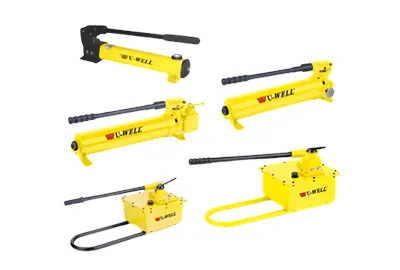
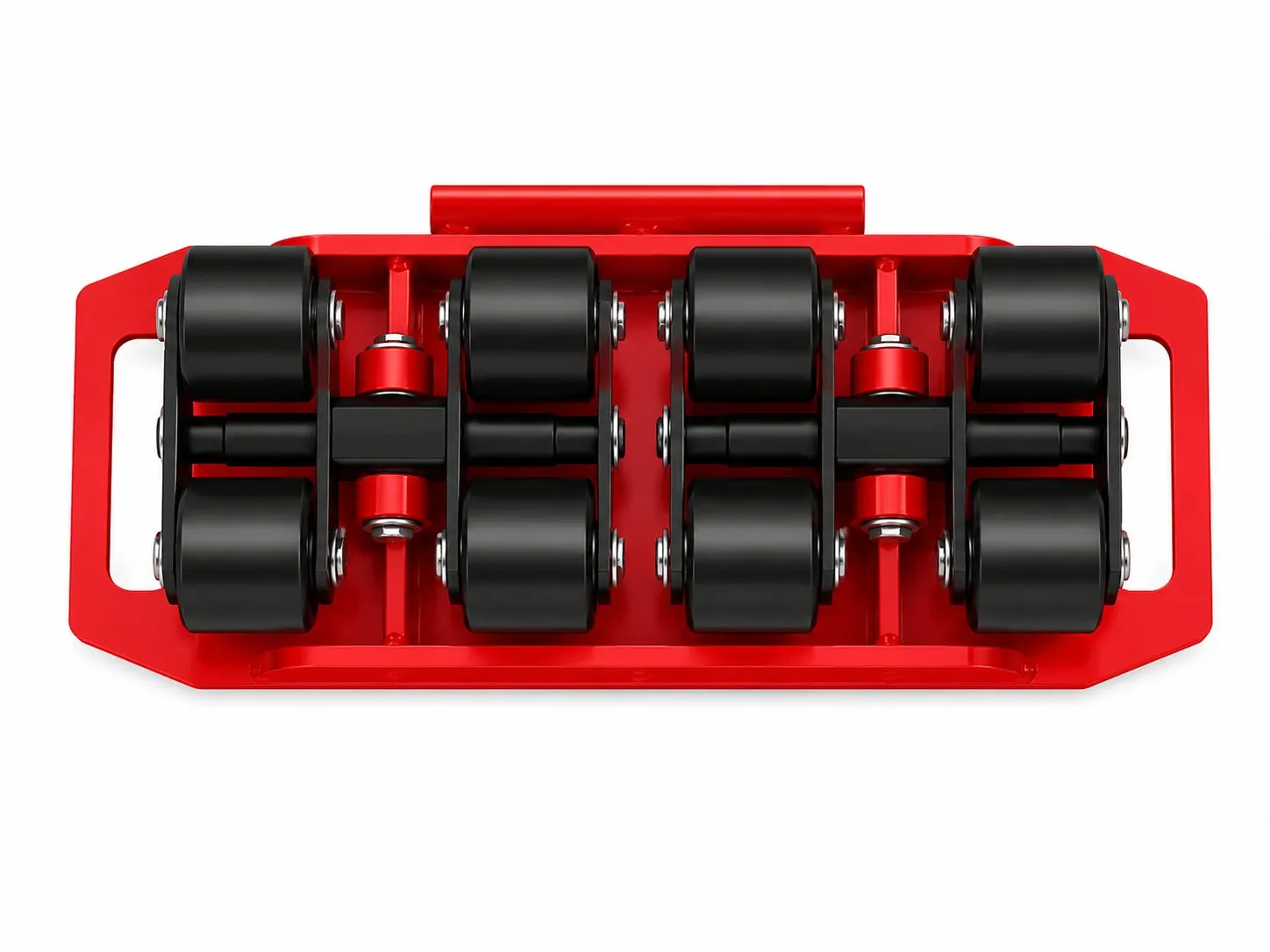
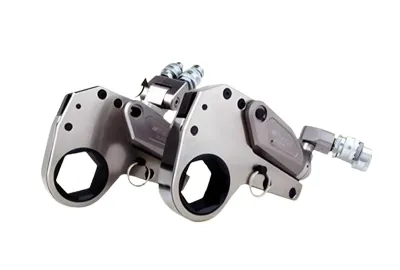
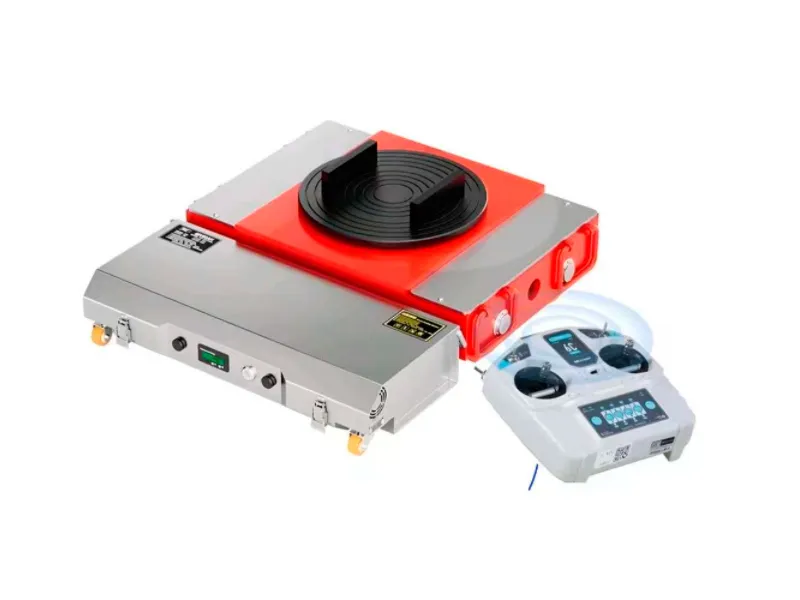
Hydraulic forklifts have become essential equipment for material handling in warehouses, factories, construction sites, and industrial yards. Known for their lifting power, precision, and adaptability to heavy-duty tasks, hydraulic forklifts provide a reliable solution for businesses that require safe and efficient handling of heavy loads. This guide explores the main benefits, applications, and considerations when selecting a hydraulic forklift, ensuring optimal performance in demanding environments.
What Is a Hydraulic Forklift and How Does It Work
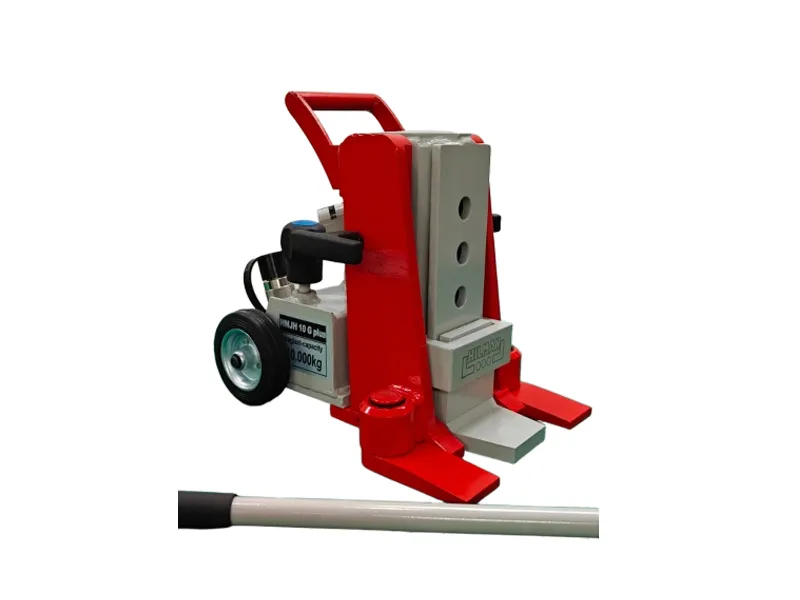
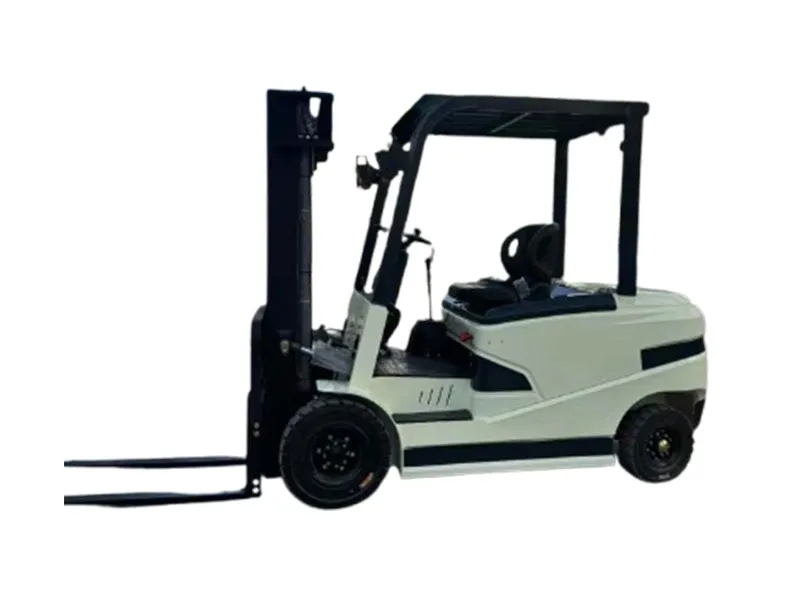
A hydraulic forklift uses hydraulic cylinders and pumps to lift, lower, and maneuver heavy loads. Unlike purely mechanical forklifts, hydraulic systems provide smoother lifting, better control, and higher load capacities. The operator controls the forks via hydraulic levers that actuate pistons, allowing precise movement of pallets, machinery, or raw materials.
Key Advantages of Hydraulic Mechanisms:
Smooth lifting for delicate or heavy items
High torque for heavy-duty outdoor and indoor operations
Lower physical effort required for operators compared to mechanical-only forklifts
Flexibility to integrate with diesel, electric, or LPG engines
Hydraulic forklifts are particularly effective in environments where precision, stability, and lifting capacity are critical.
Top Features and Benefits of Hydraulic Forklifts
When choosing a hydraulic forklift, understanding the advantages of a forklift helps businesses evaluate efficiency, safety, and long-term reliability. Below is a comparison table highlighting the key specifications and advantages:
Feature | Benefit |
Hydraulic Lifting System | Provides high lifting power and precise control |
Load Capacity | Supports 2–15 tons depending on the model |
Engine Type (Diesel/Electric/LPG) | Adapts to indoor/outdoor operational needs |
Tires (Pneumatic/Solid) | Ensures stability on rough terrain and uneven surfaces |
Ergonomic Operator Cabin | Improves operator comfort and reduces fatigue |
Safety Features | Includes overload protection, stability control, and seat belts |
Maintenance Accessibility | Easy to service hydraulic components for long-term use |
Benefits:
High Efficiency: Can lift heavy loads quickly, saving time on material handling
Durability: Hydraulic systems withstand repetitive heavy-duty use
Safety: Reduces risk of accidents with stable, controlled lifting
Versatility: Suitable for both indoor warehouses and outdoor operations
Applications of Hydraulic Forklifts
Hydraulic forklifts are widely used across industries requiring heavy-duty material handling:
Warehouses and Distribution Centers: Efficiently transport pallets, machinery, and inventory.
Construction Sites: Move construction materials such as steel beams, concrete blocks, and prefabricated components.
Industrial Yards and Factories: Handle raw materials, machinery parts, and finished goods on rough or uneven surfaces.
Ports and Shipping Terminals: Load and unload containers, crates, and heavy cargo efficiently.
Logistics and Equipment Rental: Provide versatile solutions, including powered forklift options, for clients needing temporary heavy-lifting equipment.
The adaptability of hydraulic forklifts ensures they meet the diverse operational requirements of modern warehouses and industrial sites.
Why Choose JUCAI Hydraulic Forklifts
With advanced forklift production and hydraulic jack manufacturing capabilities, professional R&D, and a responsive service system, JUCAI delivers reliable solutions for warehouses, construction sites, and industrial operations.
Advantages of JUCAI Hydraulic Forklifts:
High Performance: Designed for heavy-duty lifting and outdoor applications
Safety Compliant: Integrated overload protection, stability systems, and operator-friendly features
Durable Design: Long-lasting components that reduce maintenance costs
Professional Support: Expert after-sales service, spare parts availability, and technical guidance
Whether your business requires electric pallet trucks, hydraulic jacks, or specialized lifting equipment, JUCAI provides a comprehensive, professional solution tailored to industrial needs.
FAQs About Hydraulic Forklifts
1. What load capacity should I choose for a hydraulic forklift?
Select a forklift with at least 25–50% higher capacity than your heaviest load. Typical models range from 2 to 15 tons depending on application.
2. Are hydraulic forklifts suitable for outdoor operations?
Yes, models with diesel engines and pneumatic tires are ideal for rough terrain, construction sites, and port operations.
3. How often should hydraulic forklifts be maintained?
Daily checks of fluid levels, tires, and safety features are essential. Full maintenance should be performed monthly, with annual hydraulic system inspections recommended for safe and efficient operation.
References:
Hydraulic Forklift Safety Guidelines – OSHA
Forklift Operations and Heavy Equipment Principles – Industrial Training Institute
Material Handling Standards for Industrial Equipment – International Safety Equipment Association (ISEA)
 English