Manual jacks play a vital role in various industries, offering reliable lifting solutions for maintenance, repairs, and material handling. With continuous advancements in materials and design, modern manual jacks provide enhanced durability, user-friendliness, and reliability, making them indispensable in garages, warehouses, construction sites, and more.
This guide delves into the essentials of manual jacks, drawing from expert insights to help you choose, use, and maintain them effectively. Whether you're a DIY enthusiast, a professional mechanic, or a warehouse manager, mastering these tools can prevent accidents and extend equipment life. We'll explore types, safety measures, and operational guides, incorporating practical tips for real-world applications.
What is a manual jack?
Manual jacks, also known as hand-operated lifting devices, are indispensable tools in automotive maintenance, industrial lifting, and material handling. These mechanical or hydraulic devices enable users to raise vehicles, equipment, or loads safely and efficiently, facilitating tasks like tire changes, repairs, or pallet transportation. With advancements in design and materials, modern manual jacks offer enhanced durability and user-friendliness, making them a staple in garages, warehouses, construction sites, and beyond. As industries evolve, the demand for reliable lifting solutions continues to grow, driven by the need for productivity and safety compliance.
Is a manual jack safe for vehicle lifting?
Yes, a manual jack can be safe for lifting vehicles when used correctly. Always inspect the jack for damage, use it on a firm, level surface, and never exceed its rated capacity. Engage the vehicle’s parking brake, place wheel chocks, and always use jack stands to support the load. Wearing protective gear and following proper lifting techniques ensures both safety and equipment longevity.
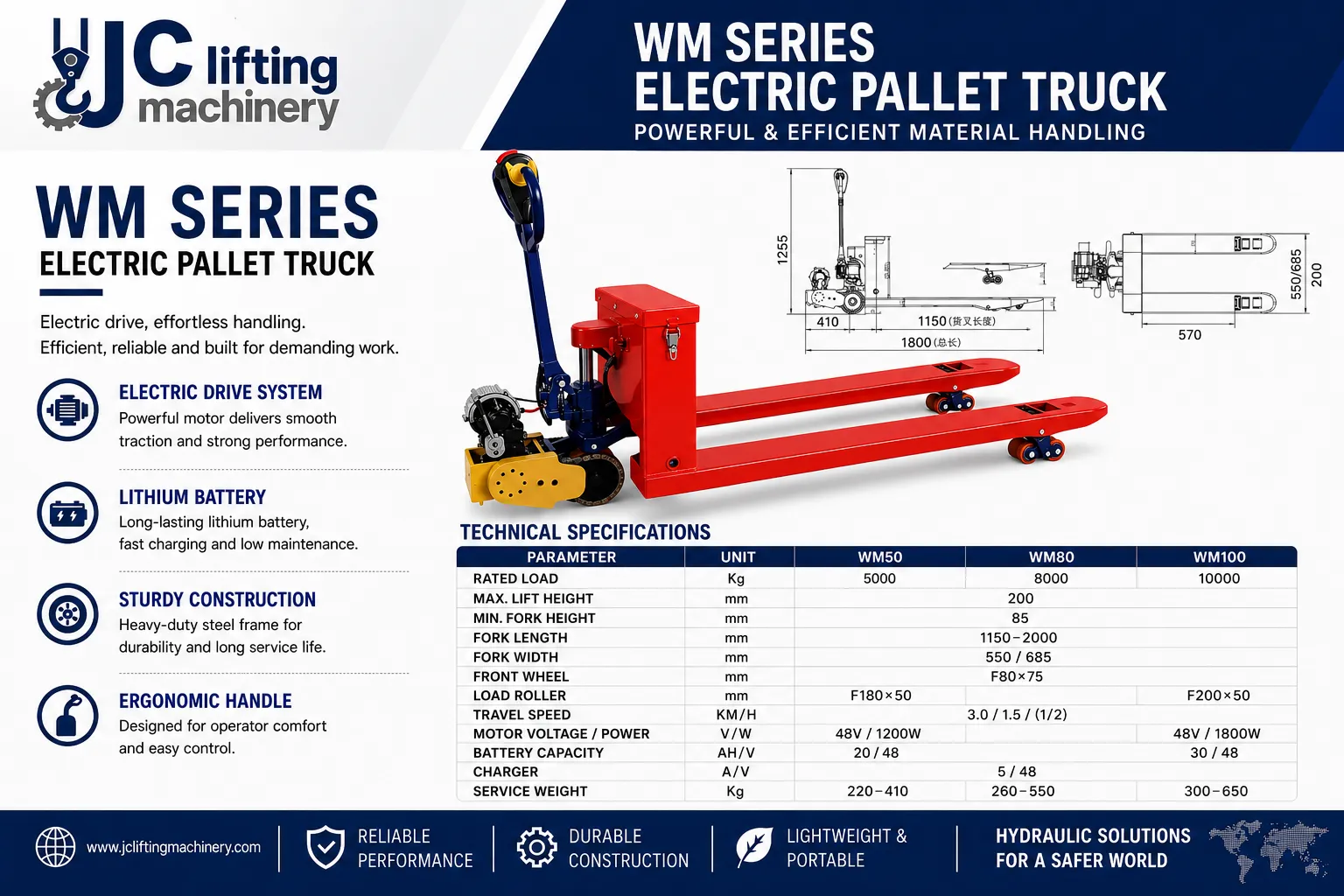
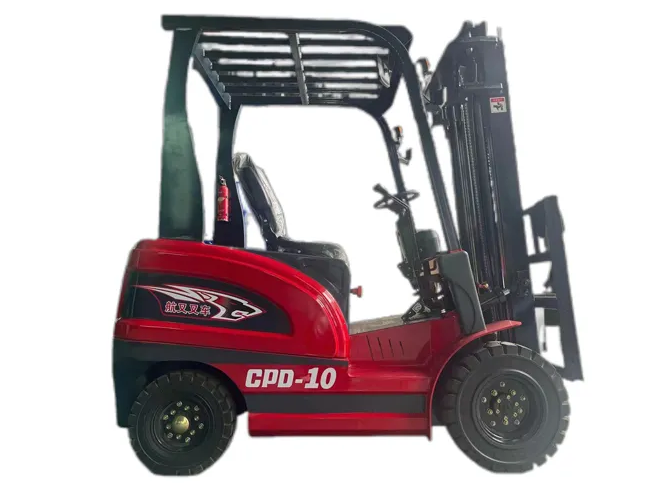
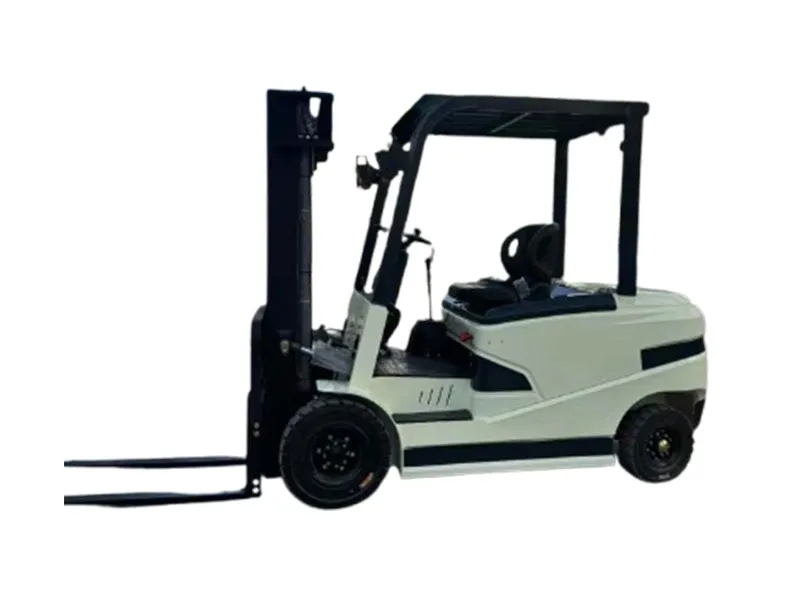
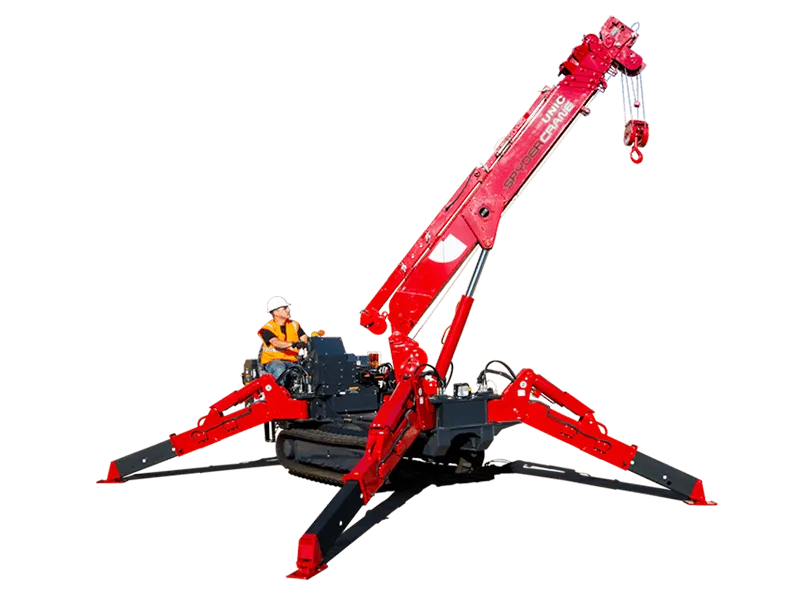
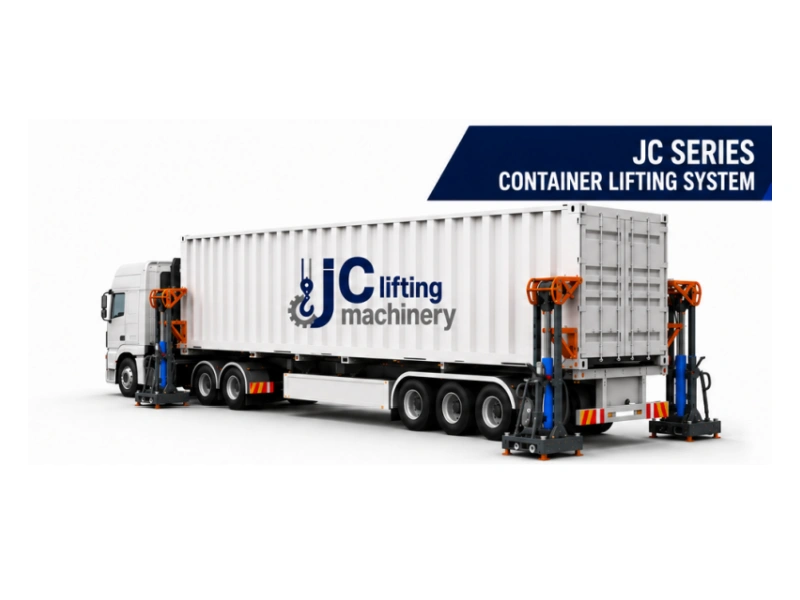
One prominent player in this field is JUCAI, a comprehensive enterprise dedicated to the R&D, production, and sales of lifting equipment. Specializing in products like electric pallet trucks, hydraulic electric jacks, electric forklifts, used forklifts, used cranes, and various manual jacks, JUCAI embodies the ethos of "customer first, innovation-oriented." The company provides tailored solutions for diverse sectors, including factories, wind power installations, manufacturing plants, warehousing and logistics operations, architectural construction, and port handling. By integrating cutting-edge technology with practical design, JUCAI ensures its products meet stringent quality standards, helping businesses minimize downtime and maximize efficiency.
What Are the Main Types of Manual Jacks and Their Advantages?
The primary types of manual jacks include floor jacks, scissor jacks, and bottle jacks, each offering unique benefits like stability, portability, or high capacity depending on the task.
Manual jacks can be broadly categorized into mechanical and hydraulic types, with mechanical ones relying on levers or screws and hydraulic models using fluid pressure for smoother lifts. This diversity allows users to select based on load requirements, environment, and frequency of use.
Floor jacks, often called trolley or hydraulic jacks, feature wheels for easy positioning and a wide base for stability. They're ideal for garage settings, handling loads from 2 to 5 tons with minimal effort via pumping handles. Advantages include quick lifting and mobility, making them suitable for frequent automotive repairs. For garages and light industrial workshops, a 2 ton floor jack for sale should be evaluated by minimum height, lifting range, chassis stability, safety valve design, and after-sales support.
Scissor jacks operate via a screw mechanism, compact enough for vehicle trunks. Commonly rated for 1-2 tons, they're perfect for roadside emergencies like flat tires. Their portability is a key benefit, though they require more manual cranking.
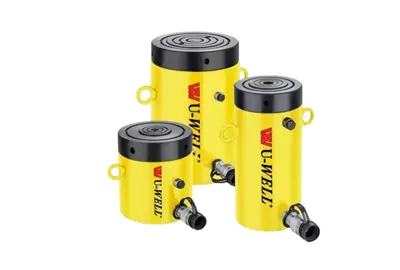
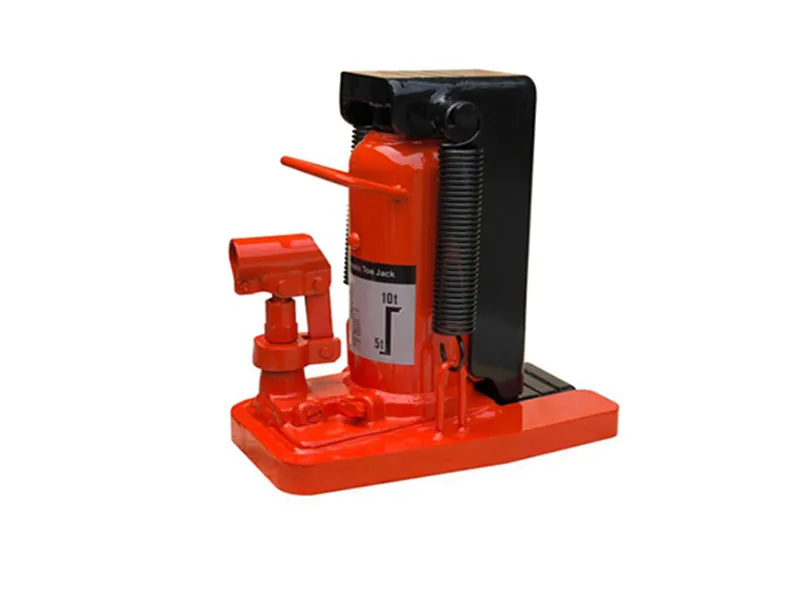
Bottle jacks, cylindrical and hydraulic, excel in heavy-duty applications with capacities up to 50 tons. Compact yet powerful, they're advantageous for trucks and SUVs, providing high lifts in tight spaces.
What is the weight capacity of a manual jack?
The weight capacity of a manual jack depends on its type. Floor jacks typically handle 2–5 tons, scissor jacks usually support 1–3 tons, and bottle jacks can lift 2–50 tons depending on the model. Always check the manufacturer’s specifications and choose a jack that exceeds the weight of your load to ensure safe operation.
Choosing the right jack involves assessing your needs—JUCAI offers a range of options to match industry-specific demands.
Type | Description | Advantages | Typical Capacities | Uses |
Floor Jack | Hydraulic jack with wheels for mobility and a wide base; uses a pumping handle to lift via fluid pressure. | Stable, quick lifting, easy positioning; minimal effort required. | 2-5 tons | Garage or workshop automotive repairs; frequent vehicle maintenance. |
Scissor Jack | Mechanical jack that expands/contracts like scissors via a screw mechanism and crank handle. | Compact, portable, easy to store in vehicle trunks; lightweight. | 1-3 tons | Roadside emergencies like tire changes; basic vehicle lifting in garages. |
Bottle Jack | Vertical hydraulic cylinder shaped like a bottle; lifts using pressure from a pumping lever. | Compact, powerful, easy to maneuver and store; cost-effective. | 2-50 tons | Heavy-duty lifting for trucks/SUVs; auto shops and industrial applications. |
What Safety Precautions Should Be Followed When Using a Manual Jack?
Key precautions include inspecting the jack, using on level ground, engaging brakes, and always employing jack stands to prevent accidents.
Safety is paramount, as improper use can lead to collapses or injuries. Begin with a pre-use inspection: check for damage like bent frames, leaks, or worn parts. For hydraulic models, ensure fluid levels are adequate; for mechanical ones, lubricate pins and bars.
Operate on firm, level surfaces to avoid slippage—use plywood bases on soft ground if necessary. Engage vehicle parking brakes and place wheel chocks to prevent rolling. Never exceed rated capacities; overloading accounts for many failures.
Wear protective gear: gloves, safety glasses, and steel-toed shoes. Keep bystanders away and avoid placing body parts under raised loads without supports. Always use jack stands for prolonged support—jacks are for lifting, not holding.

In conclusion, manual jacks enhance operational efficiency when used correctly. By prioritizing safety and proper techniques, users can leverage tools from providers like JUCAI to meet industry challenges effectively. Regular training and adherence to guidelines ensure long-term success.
 English