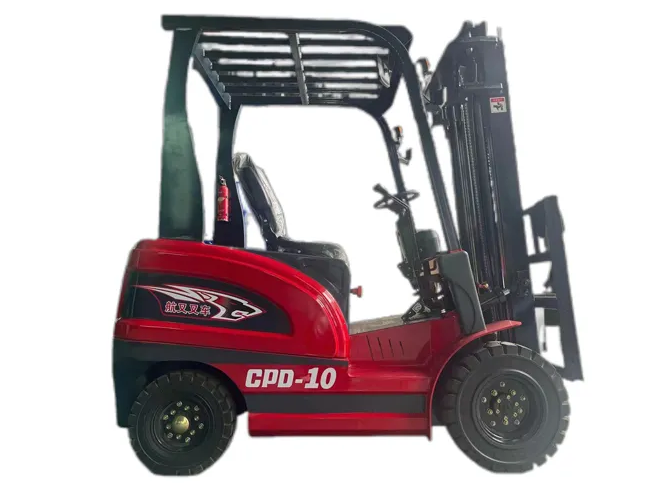
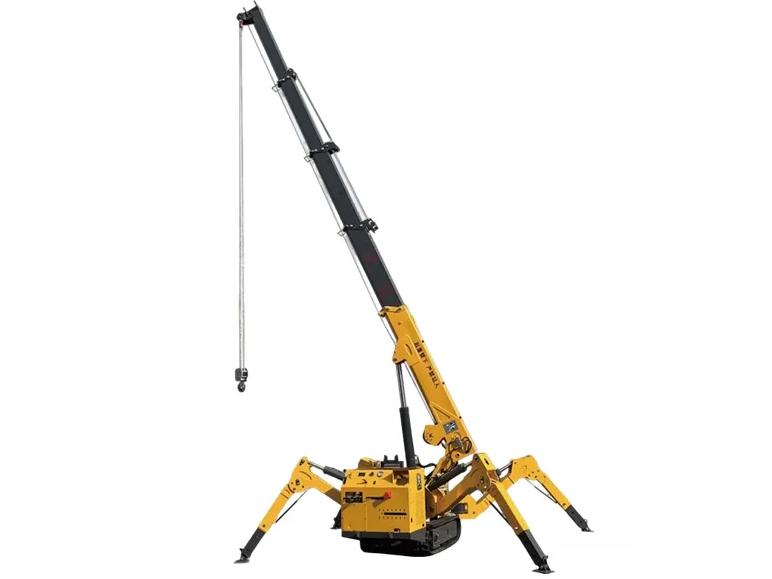
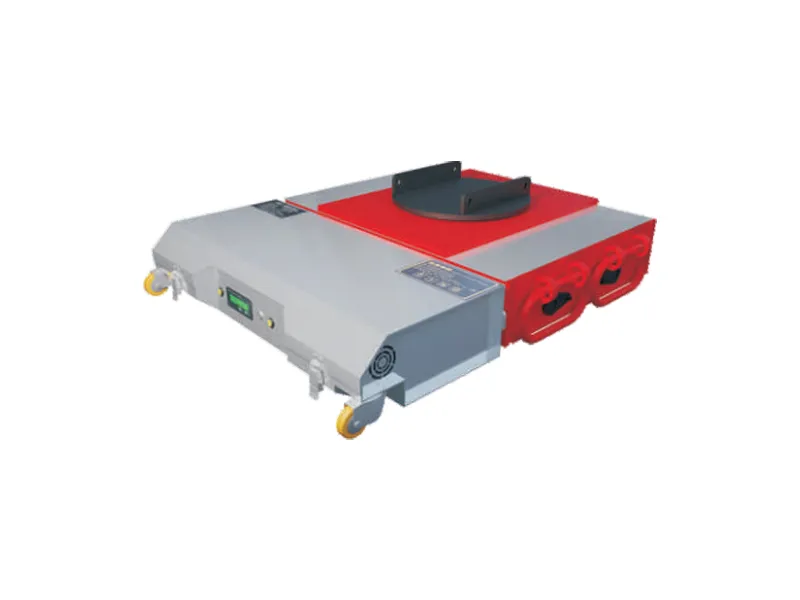
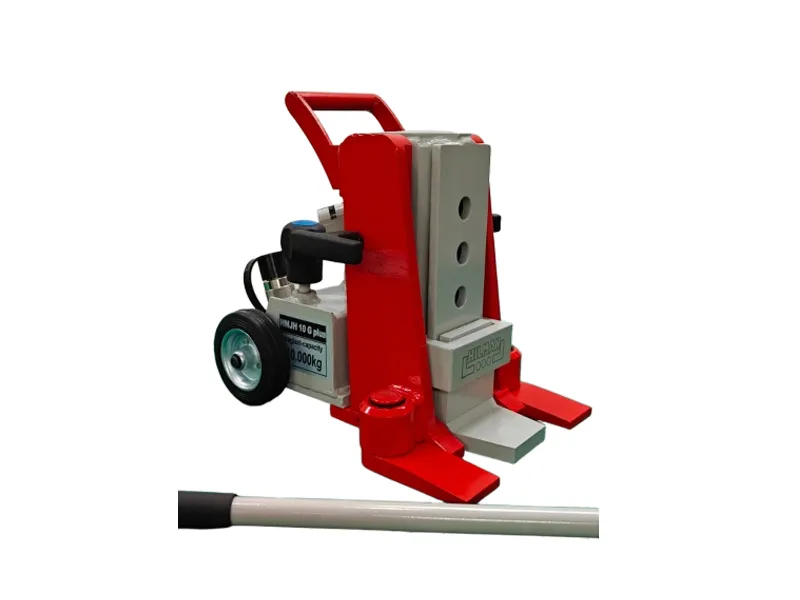
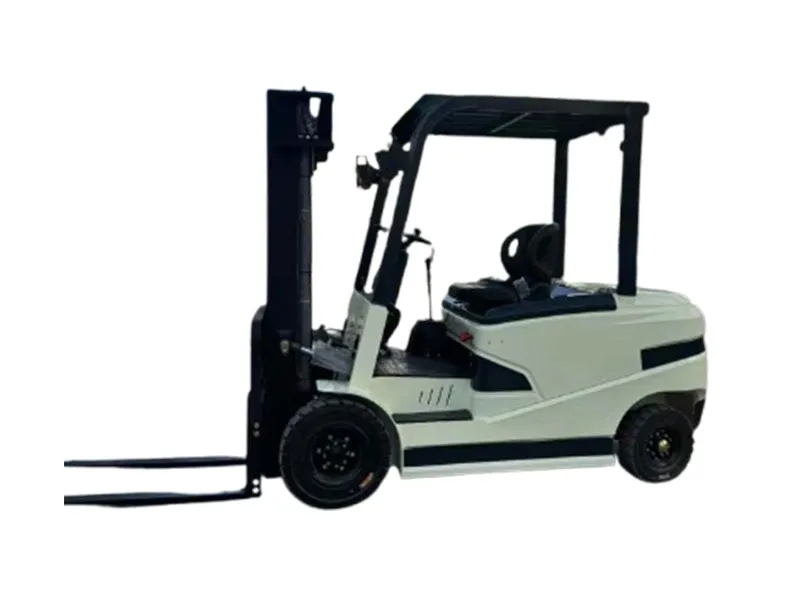
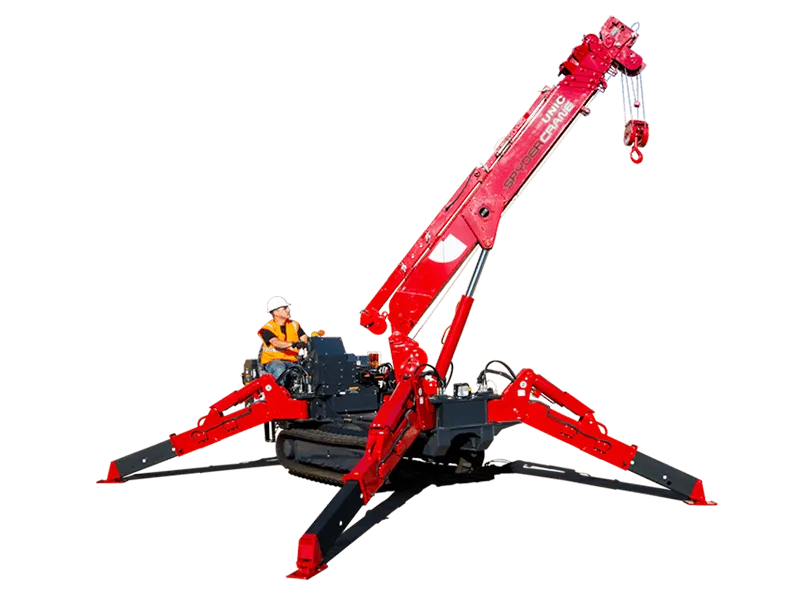
Selecting the right mechanical forklift is crucial for ensuring efficiency, safety, and cost-effectiveness in warehouse and construction operations. With a wide range of models and specifications available, businesses must consider multiple factors—from lifting capacity and terrain compatibility to engine type and maintenance requirements. This guide will help you make an informed decision and highlight why JUCAI is a trusted supplier of high-quality forklifts for industrial applications.
Understanding Mechanical Forklifts and Their Advantages
A mechanical forklift operates primarily through mechanical and hydraulic systems to lift, lower, and transport heavy loads. Unlike electric forklifts, mechanical forklifts often rely on diesel or LPG engines, making them suitable for both indoor and outdoor operations.
Key Advantages of Mechanical Forklifts:
High Lifting Capacity: Typically handle 2–15 tons, ideal for warehouses and construction sites.
Durability: Designed to withstand tough operating conditions, including uneven terrain.
Versatility: Suitable for both indoor and outdoor material handling tasks.
Efficiency: Faster load handling compared to manual lifting or smaller electric forklifts.
Cost-Effectiveness: Diesel and LPG variants are often more economical for long-term heavy-duty use.
Mechanical forklifts remain a popular choice in industrial operations because they combine power, reliability, and flexibility.
Key Factors to Consider When Choosing a Mechanical Forklift
When selecting a mechanical forklift, consider the following critical factors:
Factor | Considerations | Benefit |
Lifting Capacity | Maximum weight the forklift can safely lift | Ensures you can handle all expected loads |
Engine Type | Diesel, LPG, or gas | Determines efficiency, emissions, and suitability for indoor/outdoor use |
Tire Type | Pneumatic vs solid | Affects performance on rough terrain vs smooth warehouse floors |
Mast Type | Standard, telescopic, or triplex | Determines lifting height and reach |
Fork Size & Adjustment | Width and length adjustable | Allows handling of various pallet and cargo sizes |
Safety Features | Overload protection, seat belts, stability controls | Reduces risk of accidents and ensures compliance |
Maintenance Accessibility | Easy access to hydraulic and engine components | Reduces downtime and long-term maintenance costs |
Tip: Always choose a forklift with at least 25–50% higher capacity than your heaviest expected load to ensure safety and durability.
Applications of Mechanical Forklifts
Mechanical forklifts are widely used across multiple industries due to their versatility and durability:
Warehouse Operations:
Moving pallets, machinery, and inventory efficiently in both indoor and outdoor storage areas.
Construction Sites:
Transporting building materials such as steel beams, concrete blocks, and prefabricated components.
Industrial Facilities:
Handling raw materials, machinery parts, and finished goods on uneven or rough terrain.
Ports and Shipping Terminals:
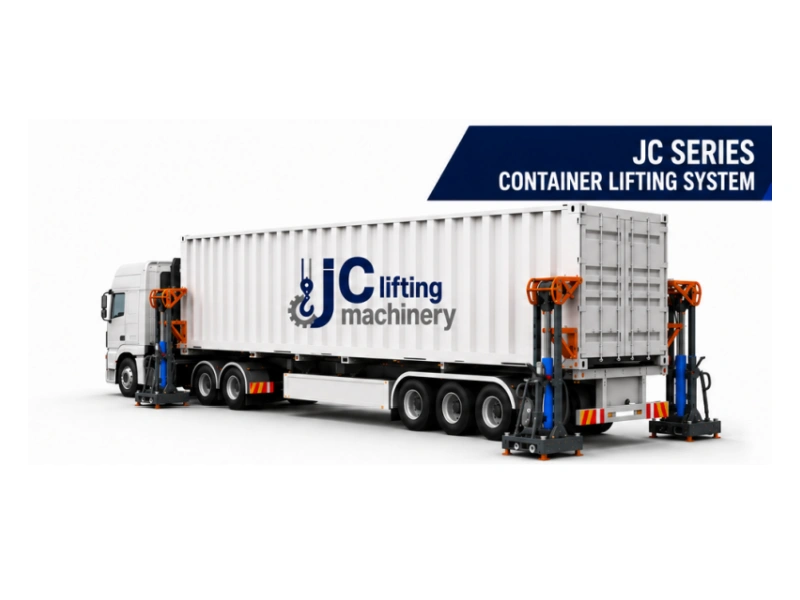
Loading and unloading containers, crates, and heavy cargo safely and quickly.
Equipment Rental Services:
Providing temporary forklift solutions for businesses that require flexible material handling.
By understanding the applications of mechanical forklifts, businesses can select models optimized for their specific operations.
Safety and Maintenance Considerations
Maintaining safety and reliability is essential when operating a mechanical forklift. Proper maintenance not only extends the lifespan of the forklift but also ensures compliance with workplace safety regulations.
Maintenance Tips:
Daily Checks: Inspect tires, hydraulic systems, forks, and engine fluid levels before operation.
Regular Service: Schedule monthly inspections for hydraulic systems, brakes, and safety controls.
Annual Overhaul: Comprehensive inspection and component replacement to prevent major failures.
Operator Training: Ensure all operators are trained in safe lifting practices and forklift controls.
Safety Features to Prioritize:
Overload protection and stability systems
Seat belts and ergonomic operator seating
Backup alarms and safety lights for visibility
Emergency stop functions for critical situations
Following these guidelines minimizes risk and increases operational efficiency in warehouses and construction sites.
Why JUCAI Mechanical Forklifts Are the Ideal Choice
JUCAI has earned a reputation as a trusted supplier of industrial lifting equipment due to its professional R&D capabilities, advanced manufacturing technology, and efficient service system.
Reasons to Choose JUCAI:
High Performance: Designed for heavy-duty lifting with durable construction suitable for both indoor and outdoor use.
Safety Compliant: Integrated safety features such as overload protection, stability control, and ergonomic operator cabins.
Long-Term Reliability: High-quality components and easy maintenance reduce downtime and repair costs.
Professional Support: Comprehensive after-sales service, spare parts availability, and technical assistance ensure a seamless ownership experience.
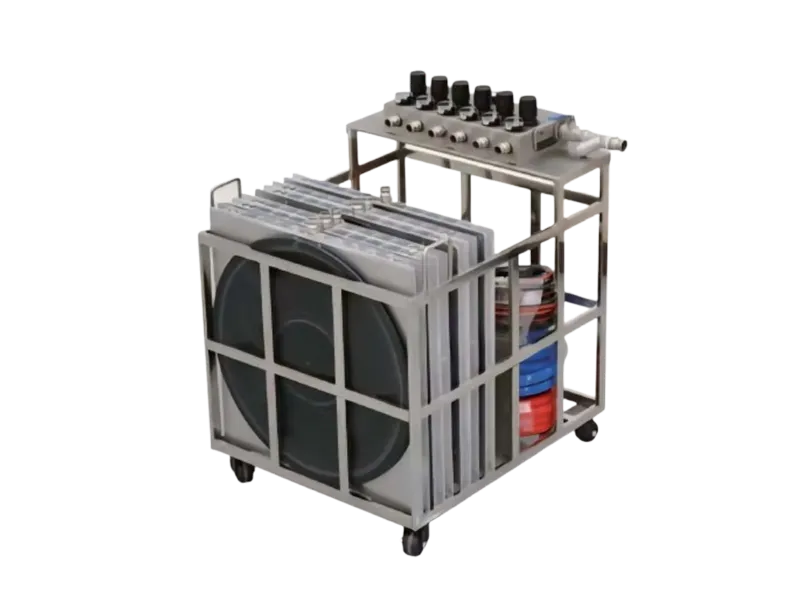
Whether your business requires electric pallet trucks or is comparing hydraulic jack suppliers for machinery installation and maintenance, JUCAI provides reliable, efficient, and safe industrial lifting solutions.
Mechanical Forklift FAQs
1. How do I choose the right lifting capacity for a mechanical forklift?
Select a forklift with at least 25–50% higher capacity than your heaviest load. Consider future growth and heavier loads when planning for the long term.
2. Are mechanical forklifts suitable for outdoor construction sites?
Yes, diesel or LPG mechanical forklifts with pneumatic tires are ideal for uneven terrain and outdoor conditions, offering high torque and durability.
3. How often should a mechanical forklift undergo maintenance?
Daily inspections of fluids, tires, forks, and safety systems are essential. Perform monthly detailed checks and annual comprehensive servicing to ensure reliability.
References
Forklift Safety Guidelines – OSHA
Material Handling and Forklift Operations – Industrial Training Institute
Heavy-Duty Forklift Standards – International Safety Equipment Association (ISEA)
 English