In many industrial and construction environments, moving large, heavy structures safely and efficiently is a critical challenge. Structure moving skates, also known as heavy‑load skates or machinery skates, provide an ideal solution: they allow precise, controlled transportation of oversized machinery, steel frames, prefabricated modules, and other heavy assets. Used properly, they dramatically reduce risk, labor, and downtime.
As a reliable equipment supplier, JUCAI leverages advanced R&D, modern manufacturing technology, and a responsive service network to offer high‑quality lifting and moving solutions. Whether you're operating a factory, warehouse, or construction site, JUCAI delivers safe, efficient, and dependable products — from electric pallet trucks and hydraulic jacks to structure moving skates tailor-made for your projects.
This complete guide introduces structure moving skates, explains their types and load capacities, offers selection advice, and covers safety and maintenance best practices.
What Are Structure Moving Skates and How Do They Work?
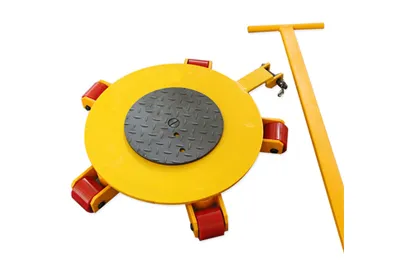
Structure moving skates are low-profile platforms equipped with heavy-duty rollers or wheels, designed as reliable skates for moving heavy objects and transporting very large loads like steel frameworks, industrial machines, modular building units, or large structural components. Their design minimizes friction and distributes weight evenly, turning a potentially cumbersome move into a controlled, manageable process.
Key Components and Functionality:
Rollers / Wheels: Often made from steel, nylon, or polyurethane, these allow smooth rolling under massive weight.
Load Carriage Frame: A robust, welded frame that supports the weight and retains stability.
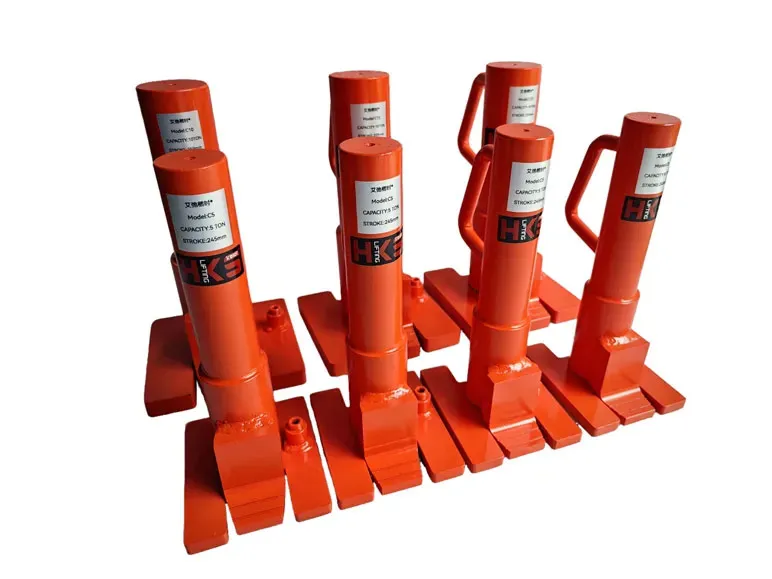
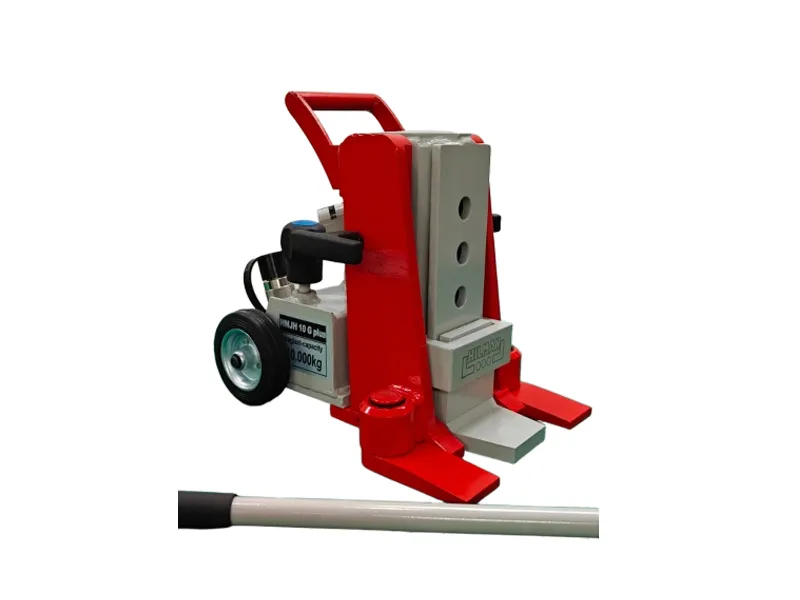
Toe Jacks or Lift Interfaces: Used to raise the structure just enough to insert the skate beneath it.
Steering or Connection Systems (optional): For multi-skate setups, alignment bars or rigid connectors help maintain load geometry.
Skate Sets: Typically, a set of four or more skates (or a lead-follower pair) is used to distribute the load.
By carefully placing these skates beneath corners or structural feet, heavy items can be rolled across flat, stable surfaces. For larger relocation projects, combining structure moving skates with building moving dollies can further improve flexibility and efficiency. This reduces the need for cranes or forklifts, especially for module relocations or facility reconfigurations.
How to Choose the Right Structure Moving Skates for Your Project
Selecting the proper structure moving skates is crucial to ensuring safety, operational efficiency, and cost effectiveness. Here are essential factors to consider:
Load Weight and Distribution
Determine Total Load: Accurately calculate the weight of the structure, including any ancillary components like fixtures.
Distribution Matters: Understand how the weight is distributed across the structure — whether there are strong corner load points or a more evenly supported base.
Floor Conditions and Surface
Surface Type: Is the floor concrete, asphalt, or steel plating? The skate's wheel material must match the surface to avoid damage or instability.
Flatness and Level: Uneven or sloped surfaces increase risk; use leveling or shimming if needed.
Skate Configuration
Number of Skates: Use enough skates to distribute the load safely. Overloading individual units can cause failure.
Steering / Articulation: If you need to change direction during the move, swiveling or lead-follower sets may be necessary.
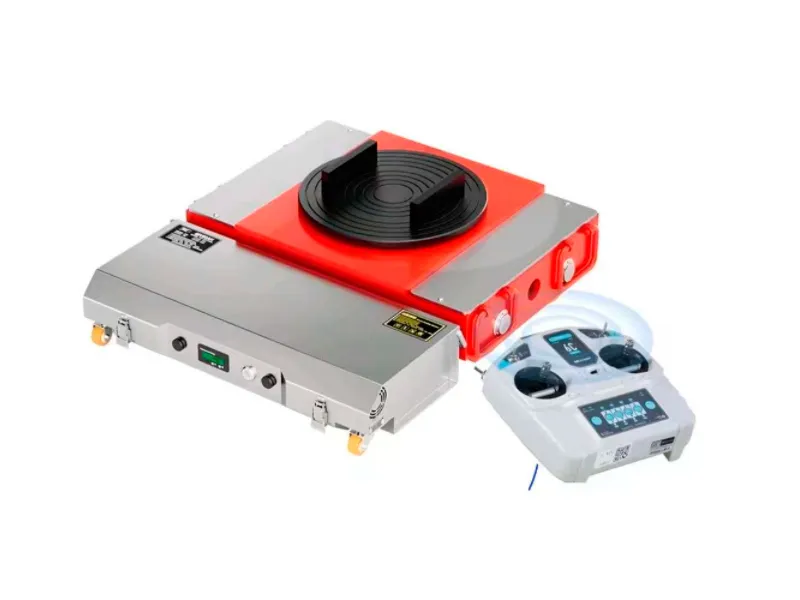
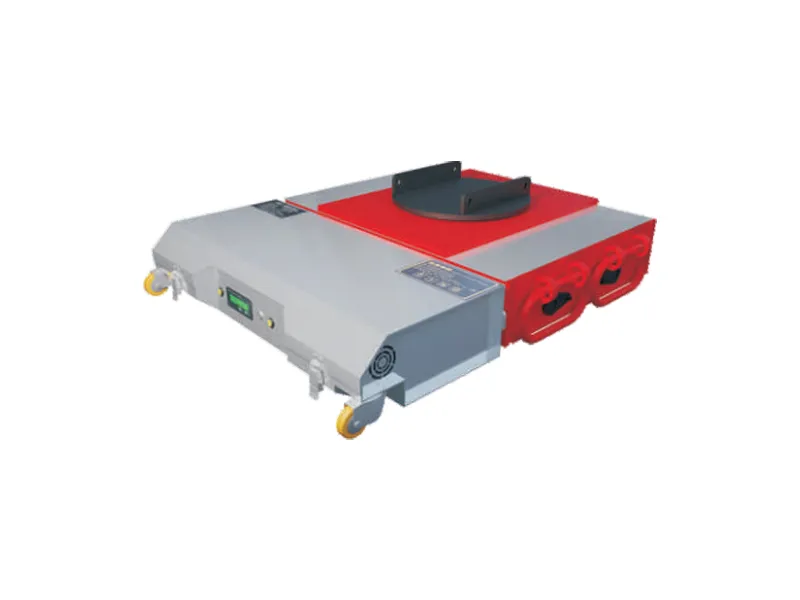
Power Option: For very heavy or frequent moves, Powered Moving Skates provide better control, safety, and ease of operation.
Capacity Rating and Safety Margin
Always choose skates that exceed the required load by a safe margin. Overloading reduces safety and shortens service life.
Verify the manufacturer's capacity ratings under real-world conditions, not just ideal scenarios.
Operator Skill and Training
Ensure rigging personnel are trained in placing, aligning, and operating the skates.
For powered skates, operators should understand motor controls, battery maintenance, and emergency procedures.
Vendor Support and Product Quality
Choose a reputable supplier with quality-assured manufacturing and reliable after-sales service.
JUCAI, for example, combines deep R&D expertise, advanced production capability, and a strong service network to provide durable structure moving skates that meet high industrial standards.
Safety Practices and Maintenance to Prolong Skate Life
Ensuring safe operation and ongoing maintenance are essential for protecting both personnel and equipment when using structure moving skates.
Safety Best Practices
Pre-Move Planning
Conduct a risk assessment, including checking path obstructions and surface conditions.
Establish clear load paths and communication protocols among riggers.
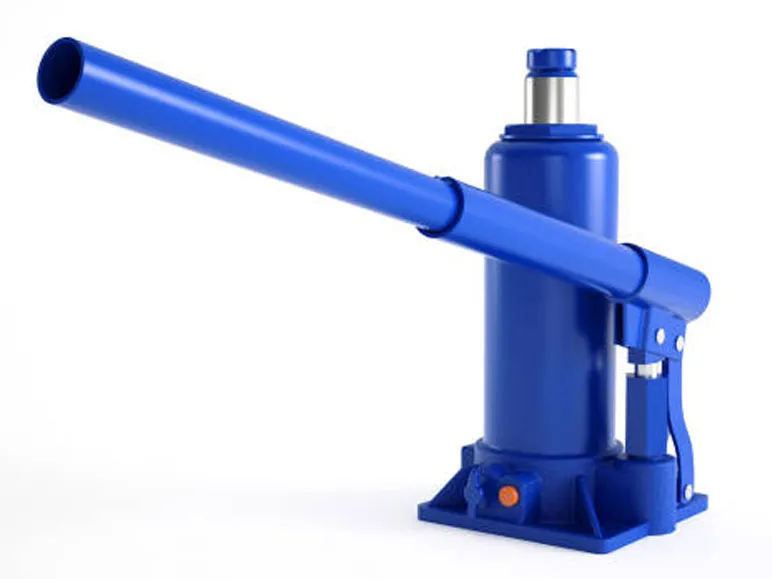
Use appropriate rigging jacks or lifting tools to raise the structure safely before placing skates.
Correct Placement & Alignment
Place skates carefully at designated load points.
Confirm that skates are level, aligned, and symmetrically distributed.
Use wedge blocks or shims to ensure stability during the move.
Controlled Movement
Move slowly using tag‑lines or remote controls (for powered skates).
Avoid sudden starts, stops, or direction changes that could destabilize the load.
Use chocks or rail locks to secure skates when stationary.
Protective Measures
Equip all personnel with PPE (safety boots, hard hats, gloves).
Define emergency stop procedures and ensure operators know how to trigger them.
Maintain clear sightlines and communication throughout the move.
Maintenance Guidelines
Regular Inspection
Rollers / wheels: check for wear, cracks, and bearing play.
Frame: inspect for cracks, weld integrity, and corrosion.
Axles / Bearings: lubricate as required; check for smooth rotation.
Fasteners: tighten bolts, verify pin integrity.
Lubrication & Cleaning
Grease bearings and pivot points on a regular schedule.
Clean off debris like metal chips or dust that can damage rollers or bearings.
Battery Maintenance (For Powered Skates)
Follow recommended charging cycles.
Store batteries in a cool, dry place.
Periodically test capacity to ensure reliable operation.
Load Testing
Storage and Care
When not in use, store skates on flat, dry surfaces.
Use covers or protective coatings if operating in humid or corrosive environments.
Why Partner with JUCAI for Structure Moving Skates
JUCAI stands out as a reliable partner for structure-moving solutions thanks to:
Advanced R&D Capability: Continual innovation ensures stronger, safer, and more efficient skates.
High-Quality Manufacturing: Robust welds, precision components, and rigorous quality control.
Comprehensive Service System: From pre-sale consultation to after-sales maintenance, JUCAI supports you at every stage.
Customization Options: JUCAI can tailor capacity, wheel material, and configuration (manual, powered, lead‑follower) to match your project's exact needs.
With JUCAI's structure moving skates, you benefit from a trusted, industrial-grade solution that balances performance, safety, and reliability.
References:
· OSHA Material Handling Safety Regulations
· MHI – Material Handling Industry Guidelines
· ASME Lifting & Rigging Engineering Standards
· Modern Materials Handling – Heavy Equipment Handling
 English