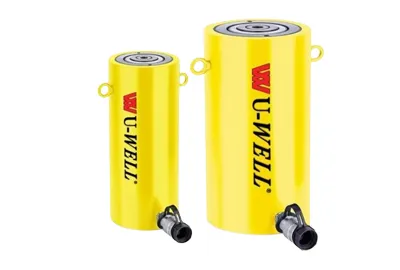
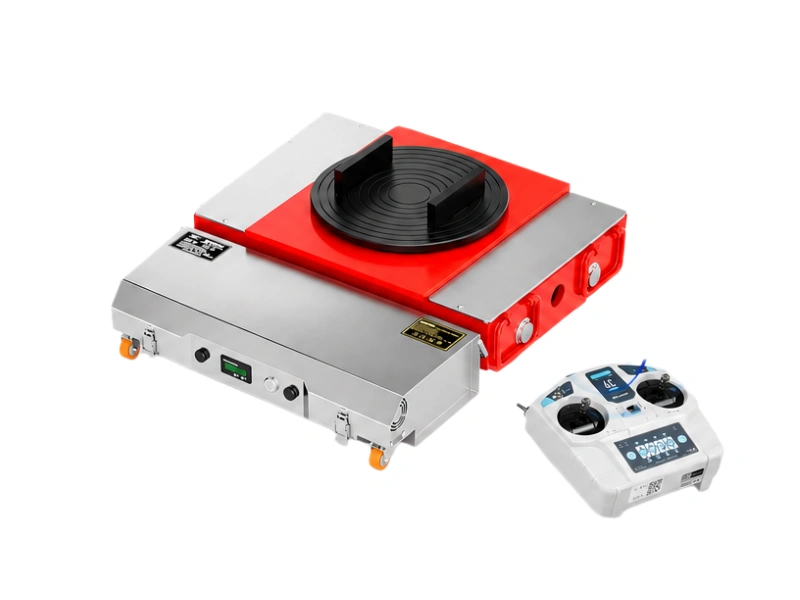
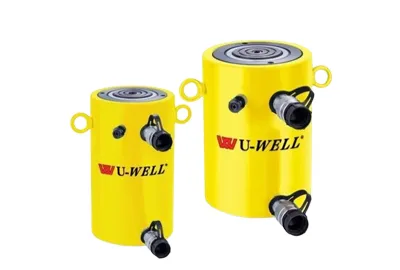
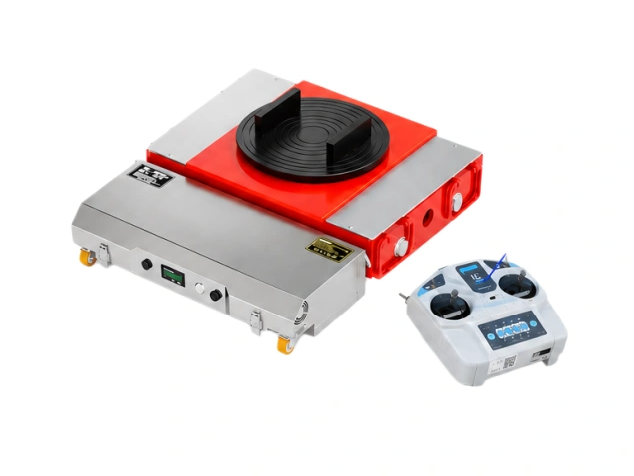
In the demanding realms of industrial lifting and material handling, toe jacks stand out as versatile and robust tools designed to tackle heavy loads in confined spaces. These hydraulic devices, often referred to as claw jacks, feature a low-profile toe or claw that allows for insertion under objects with minimal ground clearance, making them essential for precise and safe elevations. Professionals across manufacturing, construction, and maintenance sectors rely on toe jacks for their efficiency, safety features, and adaptability. At Jucai, a leading comprehensive enterprise specializing in the research, development, production, and sales of electric handling vehicles, hydraulic electric jacks, electric forklifts, and second-hand lifting equipment, we leverage our strong technical expertise and extensive practical experience to offer a wide range of lifting and handling solutions. Our products, including advanced toe jacks, cater to diverse client needs in various industries, ensuring reliability and performance under challenging conditions
This article delves into the core applications of toe jacks, maintenance best practices, proper storage techniques, and key differences from similar tools like bottle jacks.
What Is a Toe Jack Used For?
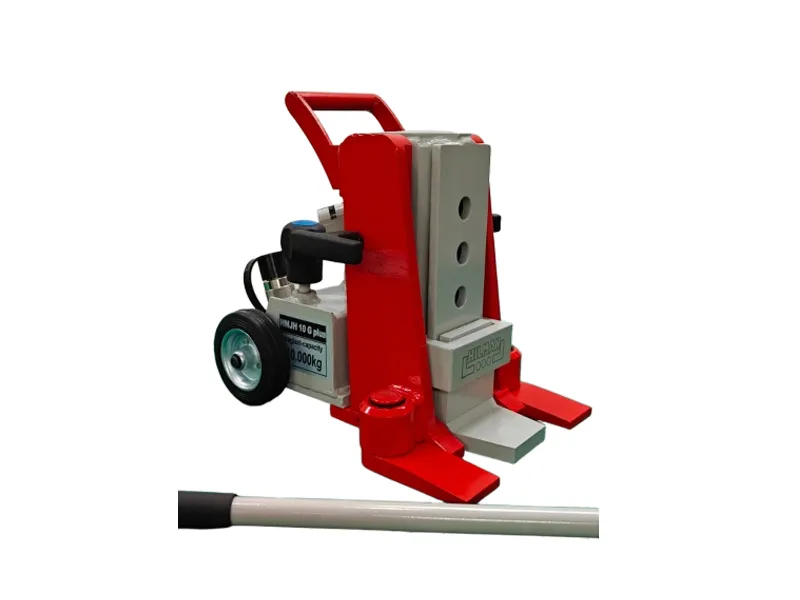
A toe jack is primarily employed for heavy-duty lifting tasks where standard jacks cannot reach due to limited clearance. This type of toe jack lift provides precise and controlled elevation for machinery, equipment, and other heavy loads in confined spaces.
Its design includes a hydraulic cylinder with an extended toe that slides under the load, enabling elevations from as low as 0.5 to 1 inch off the ground. This makes toe jacks ideal for tasks like machinery installation. For machinery installation and factory relocation, a machine hydraulic jack with a low-profile toe can access lifting points that conventional jacks cannot reach, especially where equipment sits flush against the floor or in factory relocations involving precision machines. For instance, in manufacturing plants, toe jacks facilitate the lifting of industrial presses or conveyor systems without requiring extensive disassembly, saving significant time and labor.
In construction and rigging, toe jacks are used to hoist structural components, such as beams or bridges, in tight spaces. Shipyard operations benefit from their ability to maneuver under vessels or heavy cargo containers for repairs or adjustments. Professionals also pair toe jacks with dollies or building moving rollers for horizontal movement after lifting, creating a seamless load-handling process. Their capacity ranges from 2 to 100 tons, depending on the model, allowing for single-unit spot lifts or synchronized multi-jack setups for larger projects.
The versatility extends to automotive and maintenance fields, where toe jacks lift vehicles or appliances with low profiles. Unlike bulkier alternatives, toe jacks' compact size—often weighing 50-100 pounds—enhances portability, making them suitable for on-site work. This low-entry height and high lifting power reduce the need for additional supports like blocking, streamlining workflows in high-stakes environments. Overall, toe jacks minimize vibrations during lifts, protecting sensitive equipment and ensuring stability, which is why they are a go-to for tasks demanding precision and minimal disruption.
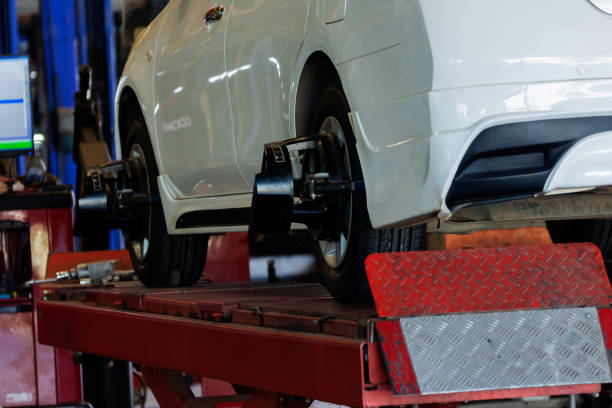
Common Industrial Applications
Toe jacks shine in scenarios requiring low-clearance access. In warehouses, they assist in repositioning palletized goods or heavy shelving units. Construction sites use them for elevating formwork or precast elements, while in oil and gas, they handle pipeline sections or rig components. Their hydraulic mechanism provides smooth, controlled lifts, reducing risks associated with manual handling and improving overall site efficiency.
How Do You Maintain a Toe Jack?
Proper maintenance is crucial for extending the life of a toe jack and preventing failures that could lead to downtime or accidents. Start with a regular inspection routine tailored to usage frequency, environmental conditions, and handling methods. Check for smooth stroke operation by extending the jack to full height, ensuring no hitches or resistance. Inspect the column and base for cracks, bends, or dents, and verify that capacity labels remain legible for safe operation.
Monitor hydraulic pressure by fully stroking the jack and observing for any drops, which could indicate internal issues. Look for signs of fluid leakage around seals or joints—decommission the jack immediately if leaks appear to avoid contamination or further damage. Clean the jack after each use with compressed air or a soft cloth to remove debris, and lubricate moving parts like wheels and pivots with appropriate oils to reduce friction.
Annual maintenance should include changing the hydraulic oil, as degraded fluid accounts for many system failures. Press the piston to its lowest position before draining and refilling with the recommended hydraulic oil. Avoid overloading beyond rated capacity, and always use wedges for stability during lifts. At Jucai, our toe jacks are engineered with durable seals and corrosion-resistant materials, but adhering to these practices ensures compliance with safety standards like OSHA guidelines and maximizes ROI.
For troubleshooting, if the jack fails to hold pressure, bleed the system by opening the release valve and pumping several times. Store maintenance logs to track patterns, and consider professional servicing for complex repairs. This proactive approach not only prevents costly breakdowns but also enhances workplace safety, aligning with industry best practices.
Essential Maintenance Checklist
Daily/Pre-Use: Visual inspection for damage, clean surfaces, check fluid levels.
Weekly: Test full stroke and pressure hold, lubricate wheels.
Annually: Replace hydraulic oil, inspect seals for wear.
How to Properly Store a Toe Jack?
Effective storage preserves a toe jack's functionality and prevents premature wear from environmental factors. Always store the jack in an upright position with the ram or piston fully retracted to protect the column from contaminants and corrosion. This orientation keeps hydraulic components sealed and minimizes exposure to dust or moisture that could degrade seals.
Choose a dry, non-corrosive environment, ideally climate-controlled to avoid temperature extremes—hydraulic oil loses stability above 140°F or below -10°F, leading to viscosity changes or freezing. Wipe down the jack thoroughly after use to remove industrial residues, ensuring no buildup bypasses seals. Avoid areas with chemical fumes or acidic substances, as these accelerate degradation and pose health risks.
For long-term storage, cover the jack to shield it from dust, and position it on a stable surface away from traffic to prevent accidental damage. In Jucai's product line, our toe jacks feature robust finishes that resist environmental wear, but following these guidelines extends their service life significantly. Proper storage reduces the need for frequent repairs and ensures the tool is ready for immediate use, supporting efficient operations in dynamic industrial settings.
Storage Best Practices for Different Environments
In humid warehouses, use dehumidifiers; for outdoor sites, opt for enclosed cabinets. Regularly inspect stored jacks for signs of rust or fluid issues to catch problems early.
What Is the Difference Between a Bottle Jack and a Toe Jack?
While both bottle jacks and toe jacks are hydraulic lifting tools, their designs and applications differ significantly, influencing professional preferences. A bottle jack, shaped like a bottle, uses a vertical piston for high-capacity lifts in ample vertical spaces, making it suitable for automotive repairs or general elevation tasks. In contrast, a toe jack incorporates a horizontal toe or claw for low-clearance access, ideal for loads flush with the ground.
what is a toe jack used for and why do professionals prefer ittypically offer higher lifting heights but require more initial clearance—often several inches—limiting their use in tight spots. Toe jacks excel in confined areas with entry points under 1 inch, providing stability for heavy machinery without additional shimming.
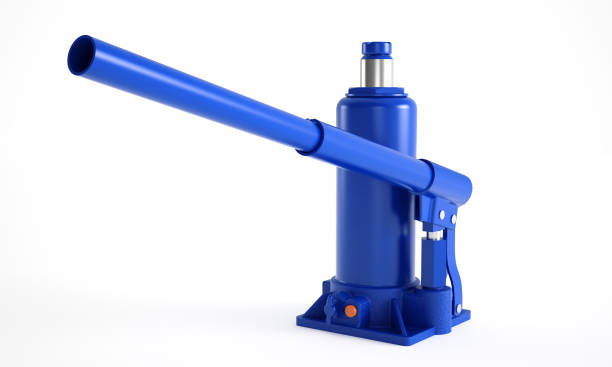
Capacity-wise, bottle jacks can handle similar loads (up to 50 tons), but toe jacks' swivel features and adjustable toes enhance maneuverability for precise positioning.
Safety and ergonomics also vary: Toe jacks include overload valves and wide bases for better stability on uneven surfaces, reducing tip-over risks. Bottle jacks, while portable, may need extra supports in unstable conditions. Professionals prefer toe jacks for industrial rigging due to their versatility in horizontal and vertical lifts, whereas bottle jacks suit straightforward vertical tasks.
Comparison Table: Bottle Jack vs. Toe Jack
Feature | Bottle Jack | Toe Jack |
Design | Vertical piston, bottle-shaped | Horizontal toe/claw, low-profile |
Clearance Required | Several inches | Under 1 inch |
Typical Capacity | 2-50 tons | 2-100 tons |
Best For | Automotive, general vertical lifts | Low-clearance industrial rigging |
Maneuverability | Limited swivel | 360-degree swivel, adjustable toe |
Stability Features | Basic base | Wide base, overload protection |
Portability | Compact and lightweight | Portable but specialized for heavies |
In summary, toe jacks' specialized design makes them indispensable for professionals facing space constraints, offering superior control and safety over bottle jacks in demanding applications.
References
· What Is a Toe Jack – Toolwell
· Uses of a Toe Jack – EAGLE Made in Japan
· Maintaining a Hydraulic Toe Jack – GKS Lifting
· Hydraulic Jack Maintenance & Repair – Tameson
· Bottle Jacks & Toe Jacks – Ohio Power Tool
 English