When moving heavy machinery or industrial equipment, rigger skates (also known as machinery skates or machine-moving skates) are indispensable tools. These low-profile platforms with wheels or rollers enable safe, controlled transport of large loads across flat surfaces. However, like any specialized rigging gear, the proper and safe use of rigger skates—and their ongoing maintenance—is critical. Misuse can lead to workplace injuries, equipment damage, and costly downtime.
As a trusted provider of lifting and rigging solutions, JUCAI brings together strong R&D expertise, advanced manufacturing, and an efficient service system to deliver high-performance equipment. Whether for factories, warehouses, or construction sites, JUCAI offers reliable solutions, from electric pallet trucks and lifting jacks for sale to professional rigging skates.
In this guide, we'll walk through how to use rigger skates safely, what maintenance they require, and how to extend their service life.
What Are Rigger Skates and Why Safe Use Matters
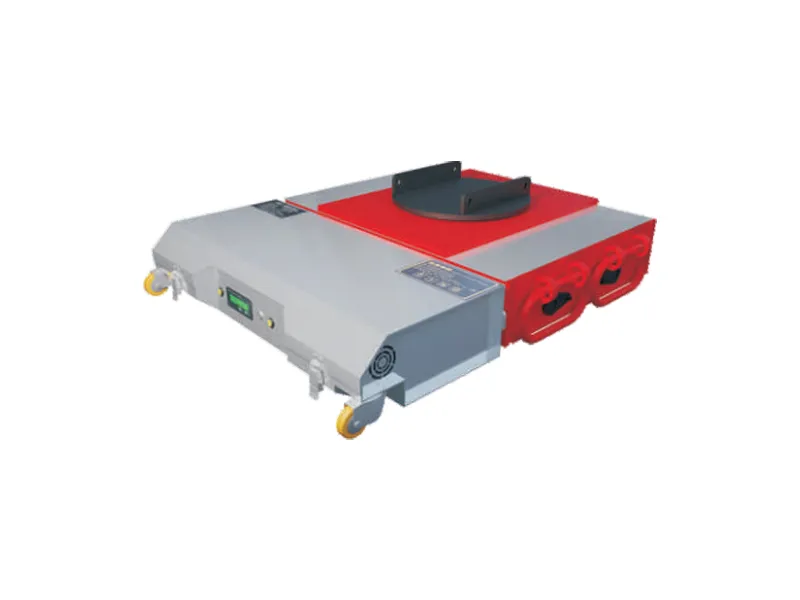
Rigger skates are robust platforms fitted with steel or polyurethane rollers designed to support and move heavy equipment. They drastically reduce friction and distribute weight evenly, making it possible to roll heavy loads rather than lift them.
Types of rigger skates include:
Manual skates, which require pulling or pushing by hand or with external tools
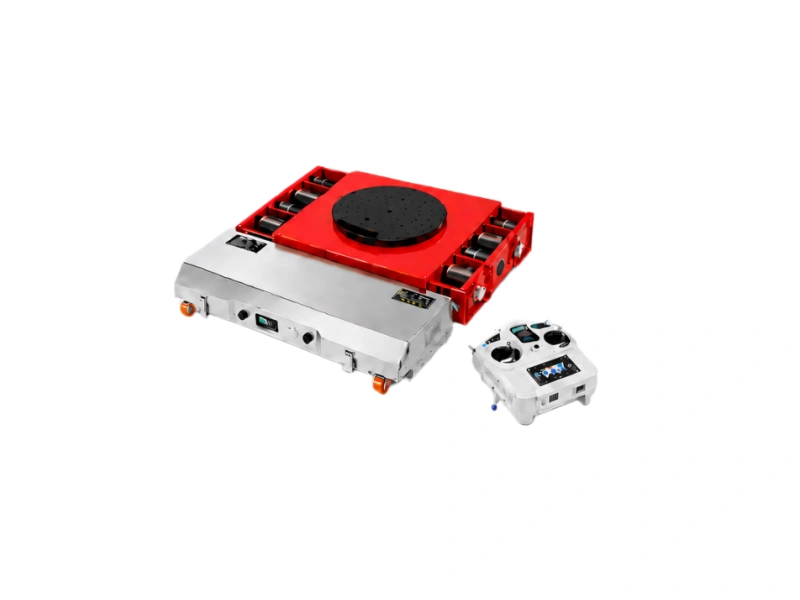
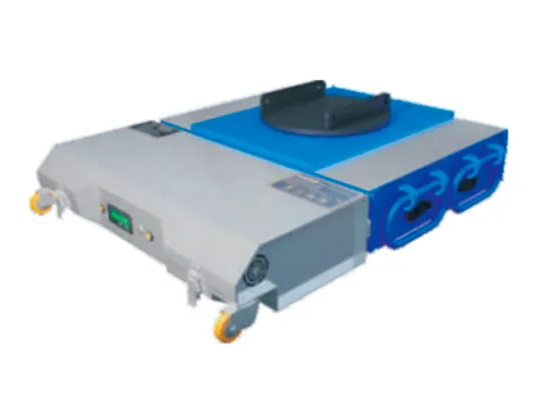
Powered skates, which use electric motors to move loads remotely (though this guide applies primarily to manual or unpowered skates)
Because rigger skates handle enormous weights, safety is non-negotiable:
An unstable or overloaded skate can cause machinery to tip or shift.
Incorrect loading can damage both the skate and the equipment.
Workplace injuries—from crushing, foot injuries, or collisions—are real risks.
By following proper safety practices, companies can reduce risk, avoid accidents, and ensure smooth, efficient machinery moves.
Safety Guidelines for Using Rigger Skates
Safe operation of rigger skates starts with a well-planned process and strict adherence to best practices. Below are key safety guidelines that should always be followed.
Perform a Pre-Move Risk Assessment
Inspect floor conditions: check for cracks, debris, slope, or obstacles that might derail the skates.
Evaluate load weight, dimensions, and center-of-gravity; confirm that the skates’ capacity matches or exceeds the load.
Ensure you have adequate personnel or proper rigging tools (e.g., toe jacks) to lift and place the load onto skates.
Use Proper Lifting and Loading Techniques
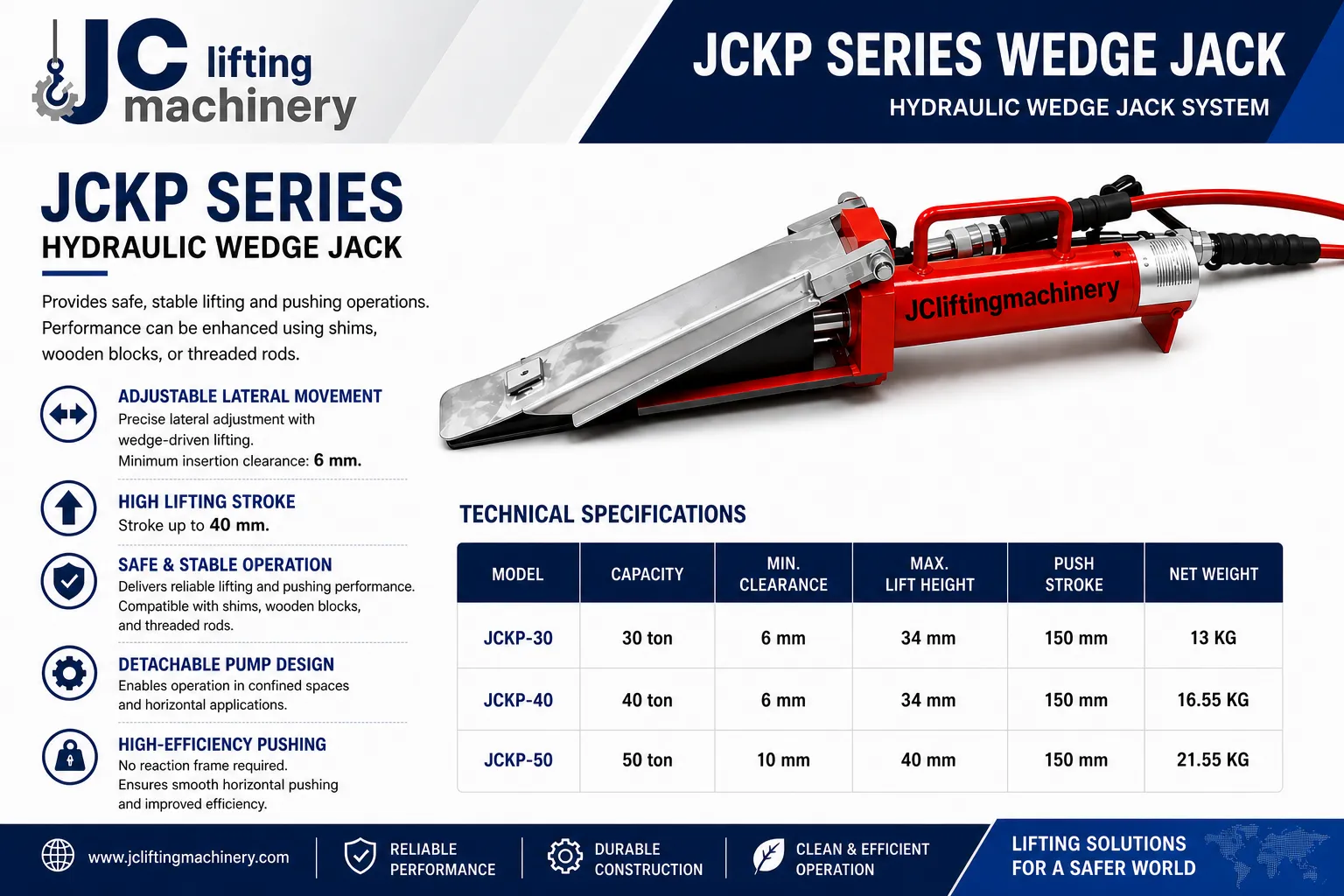
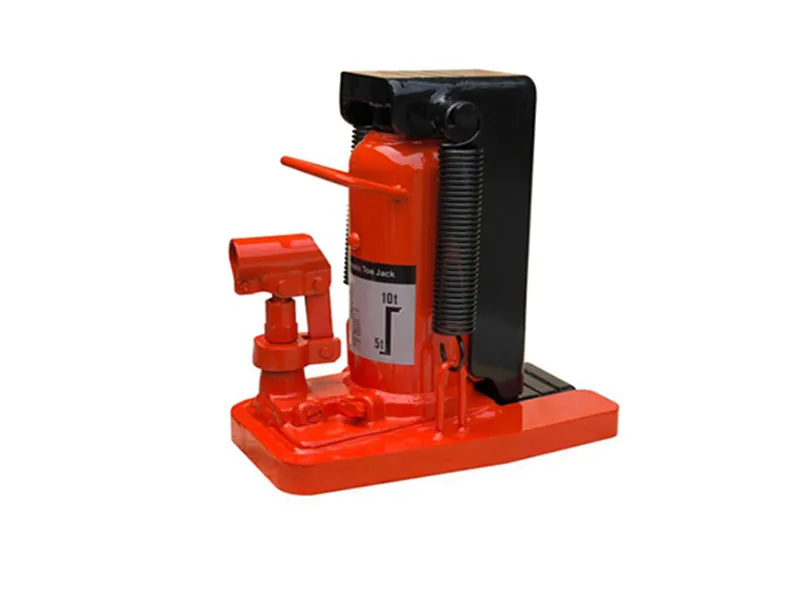
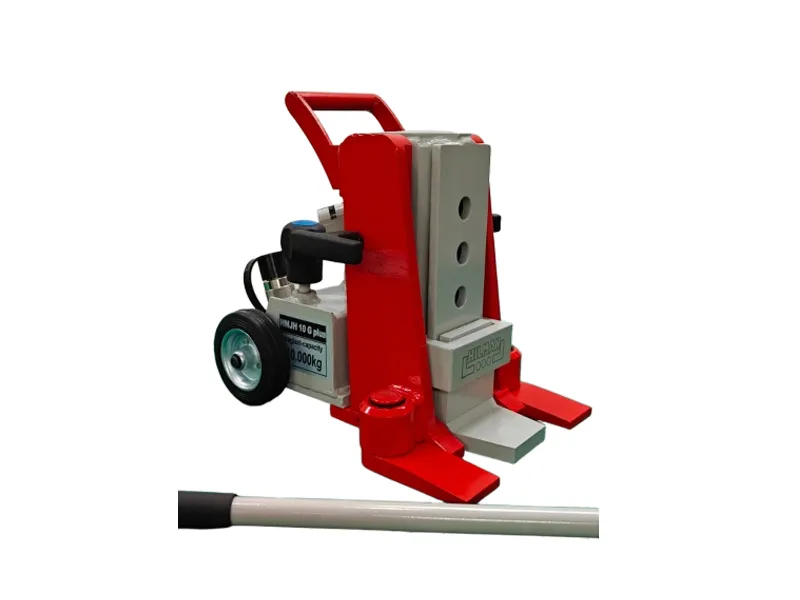
Use toe jacks or lifting equipment to raise the load just enough to insert the skates under the equipment.
Position skates symmetrically under the load to distribute weight evenly; avoid overloading one side.
Confirm that the skates are properly aligned and level prior to movement.
Control Movement Safely
Use tag lines: long ropes or guide lines help maintain alignment and prevent sudden shifts.
Move slowly and steadily: avoid sudden starts or stops that could destabilize the load.
Communicate: assign a spotter or signaling system to guide movement, especially around blind spots.
Use wheel chocks or locking mechanisms when the load is stationary to prevent unintentional rolling.
Use Appropriate Personal Protective Equipment (PPE)
Wear safety boots, gloves, and hard hats.
Use high-visibility vests if working in busy areas.
Make sure all operators and riggers are trained in safe lifting, skating, and rigging techniques.
Inspection & Maintenance Procedures for Rigger Skates
Routine inspection and maintenance are essential to keep rigger skates in top condition, ensuring safety and prolonging their useful life.
Regular Inspection Checklist
Rollers/Wheels: Check for flat spots, cracks, or worn bearings. Replace damaged rollers immediately.
Frame/Chassis: Look for cracks, rust, or deformation in the skate body. Welds or joints should be structurally sound.
Axles and Bearings: Ensure proper lubrication and smooth rotation. Grease bearings as recommended by the manufacturer.
Fasteners: Verify that all bolts, nuts, or locking pins are tight and free from corrosion.
Load Rating Labels: Confirm that capacity markings are legible and not exceeded during use.
Scheduled Maintenance Tasks
Lubrication: Apply grease or lubricant to bearings, axles, and pivot points at regular intervals.
Cleaning: Remove dust, metal shavings, or debris that may accumulate during operation.
Corrosion Prevention: If skates are used outdoors or in humid environments, apply protective coatings or store them in a dry area.
Load Tests: Periodically perform a test move with a known load to ensure roller performance and structural integrity.
Storage: Keep skates on a flat surface when not in use, and cover them if exposed to harsh environments.
By following these inspection and maintenance procedures, you can reduce the risk of equipment failure, prevent costly repairs, and ensure continuous safe operations.
Training, Best Practices & Long-Term Care
To fully leverage the benefits of rigger skates and minimize risks, investing in training and long-term care is just as important as following safety and maintenance routines.
Proper Training of Personnel
Rigger Certification: Ensure rigging operators are certified or trained in load calculation, lifting, and rigging practices.
Skate Operation Training: Teach riggers how to correctly place, align, and move skates under different load conditions.
Emergency Procedures: Train staff on what to do if a skate jams, a wheel fails, or a load shifts during a move.
Communication Protocols: Establish clear signals (radio, hand signs, walkie-talkies) to coordinate movement safely.
Best Practices for Long-Term Use
Rotate Skates: If you have multiple sets, rotate them to avoid uneven wear.
Record-Keeping: Maintain a log for each skate set, tracking inspections, load tests, and repairs.
Use High-Quality Skates: Partner with reputable suppliers to ensure robust, well-engineered skates. For example, JUCAI leverages advanced R&D and manufacturing to deliver safe, reliable rigging solutions.
Periodic Upgrades: As your operations grow or as new powered skate technology becomes available, evaluate whether investing in newer models is more cost-effective than repairing older units.
Why Partner with JUCAI for Your Rigger Skates
JUCAI is a leading supplier in lifting and rigging equipment. With strong R&D capabilities, modern manufacturing technologies, and a dedicated service system, JUCAI offers high-quality rigger skates that meet industrial safety and performance demands.
Safety-First Design: JUCAI's skates are engineered with durable materials, reinforced frames, and precision rollers to minimize risk.
Rigorous Quality Control: Each set undergoes rigorous inspection and testing to ensure it can handle rated loads reliably.
After-Sales Support: JUCAI provides maintenance advice, replacement parts, and a responsive service network to help you keep your skates in peak condition.
Customized Solutions: Whether your needs are in a factory, warehouse, or construction site, JUCAI tailors skid and skate solutions to your specific operation.
By partnering with JUCAI, you gain access to not only top-tier equipment but also expert guidance on safe use, maintenance, and long-term rigging strategies.
Conclusion
Rigger skates are an essential tool for safely moving heavy machinery and equipment. However, without proper safety protocols and maintenance practices, they can become a liability rather than an asset. By combining:
Rigorous safety guidelines (risk assessment, lifting techniques, communication),
Detailed inspection & maintenance,
Comprehensive training and best practices,
you can significantly reduce the risk of accidents, lower downtime, and extend the working life of your rigging gear.
For companies seeking high-quality, dependable rigger skates, JUCAI offers a trusted solution—reliable, engineered for safety, and supported by a strong service system.
References:
· OSHA Material Handling and Rigging Safety Guidelines
· MHI – Material Handling Industry Best Practices
· ASME Rigging Safety & Engineering Standards
· Modern Materials Handling – Equipment Safety Insights
 English