Diesel forklifts have long been the backbone of heavy-duty material handling, particularly in outdoor environments such as construction sites, shipping yards, warehouses, and industrial facilities. Known for their durability, high lifting capacities, and reliable performance in rugged conditions, diesel forklifts remain a popular choice for businesses that need dependable equipment for demanding operations. This article explores the top benefits of diesel forklifts, key features to consider, and practical insights for operators and purchasers.
Understanding Diesel Forklifts and Their Advantages
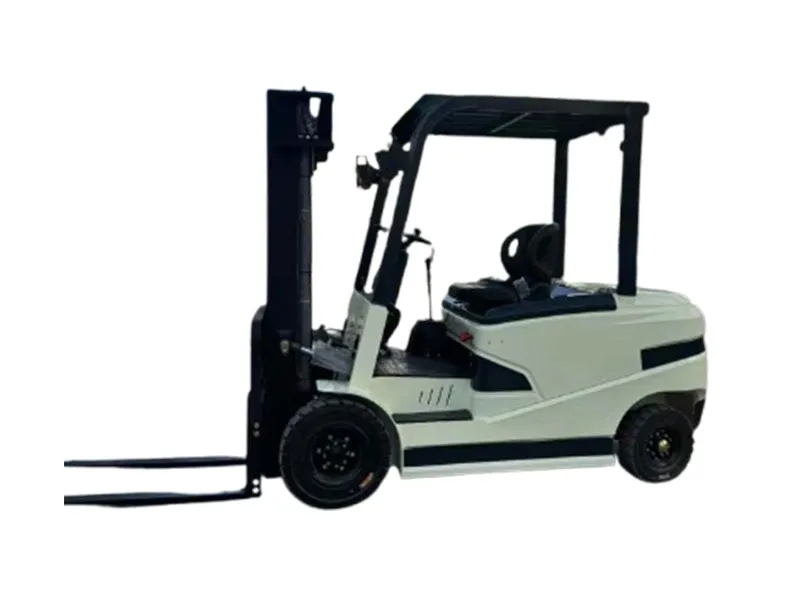
A diesel forklift is a type of forklift powered by a diesel engine, specifically designed to handle heavy loads and operate in tough outdoor conditions. Unlike electric forklifts, diesel models provide high torque, long runtime, and strong performance on uneven or rough surfaces.
Key Advantages of Diesel Forklifts:
High Lifting Capacity: Diesel forklifts are capable of handling loads from 3 to over 15 tons, making them ideal for industrial and construction applications.
Outdoor Capability: Diesel engines are designed to operate efficiently in open environments, even under challenging weather conditions.
Durability: Heavy-duty construction allows diesel forklifts to withstand rough terrain, continuous operation, and demanding workloads.
Cost-Effective for Long-Term Use: Diesel fuel is often more efficient than propane or gasoline for extended outdoor operations.
Top Features of Diesel Forklifts for Outdoor Operations
When selecting a diesel forklift, several features contribute to efficiency, safety, and long-term value.
Feature | Benefit |
Engine Power | Provides sufficient torque for lifting heavy loads outdoors |
Tire Type (Pneumatic / Solid) | Handles rough terrain and uneven surfaces effectively |
Load Capacity | Supports a wide range of heavy loads |
Mast Type (Standard / Telescopic) | Enhances reach and flexibility for outdoor operations |
Fuel Efficiency | Reduces operating costs during long shifts |
Ergonomic Operator Cabin | Increases comfort and productivity for long-term operation |
Safety Features | Includes seat belts, overload protection, and stability systems |
These features ensure that a diesel forklift can perform reliably in heavy-duty operations, maintain operator safety, and minimize downtime.
Applications of Diesel Forklifts in Heavy-Duty Environments
Diesel forklifts are widely used across multiple industries for outdoor heavy-duty tasks:
Construction Sites: Handling building materials such as bricks, steel beams, and concrete blocks.
Shipping Yards & Ports: Loading and unloading containers, pallets, and heavy cargo.
Industrial Warehouses: Transporting raw materials and finished goods over uneven outdoor surfaces.
Lumber & Paper Mills: Moving logs, lumber, and heavy paper rolls efficiently.
Mining & Aggregates: Supporting quarry operations by lifting rocks, minerals, and machinery parts.
These forklifts provide the versatility needed to tackle high-intensity lifting tasks while maintaining consistent performance under challenging outdoor conditions.
Why JUCAI Diesel Forklifts Are a Reliable Choice
JUCAI has established itself as a leading supplier of lifting and material handling equipment. With professional R&D capabilities, advanced manufacturing technology, and an efficient service system, JUCAI delivers products that are trusted across industrial, warehouse, and construction sectors.
Why Choose JUCAI Diesel Forklifts?
High Performance: Designed for outdoor, heavy-duty operations with reliable engine and chassis construction.
Safety First: Equipped with advanced safety features to comply with industrial standards.
Durable & Low Maintenance: Long-lasting components reduce downtime and maintenance costs.
Comprehensive Support: Offers professional technical service and spare parts supply.
For companies looking for electric pallet trucks, hydraulic jacks, or other lifting equipment, JUCAI provides a professional, reliable, and safe solution.
FAQs
1. What is the difference between a diesel forklift and an electric forklift?
Diesel forklifts are designed for heavy-duty outdoor tasks and rough terrain, offering higher torque and longer runtime. Electric forklifts are quieter, emission-free, and better suited for indoor environments.
2. How often should diesel forklifts be maintained?
Regular maintenance is crucial. Check fluid levels, engine performance, tires, and safety systems daily. Schedule detailed inspections monthly and major servicing annually to ensure optimal performance.
3. What load capacity should I choose for a diesel forklift?
Choose a forklift with at least 25–50% higher load capacity than your heaviest expected load. Common outdoor models range from 3 to 15 tons, depending on application.
References
Diesel Forklift Safety and Maintenance Guidelines – OSHA
Forklift Operations and Heavy Equipment Principles – Industrial Training Institute
 English