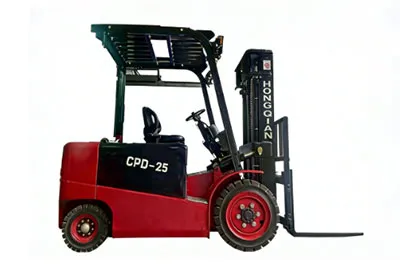
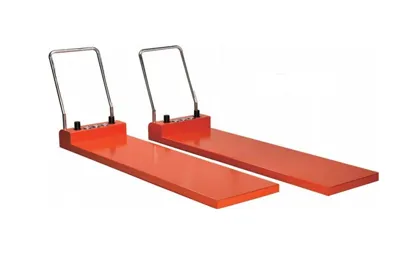
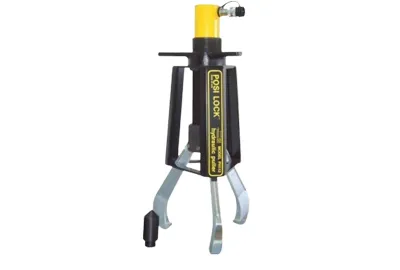
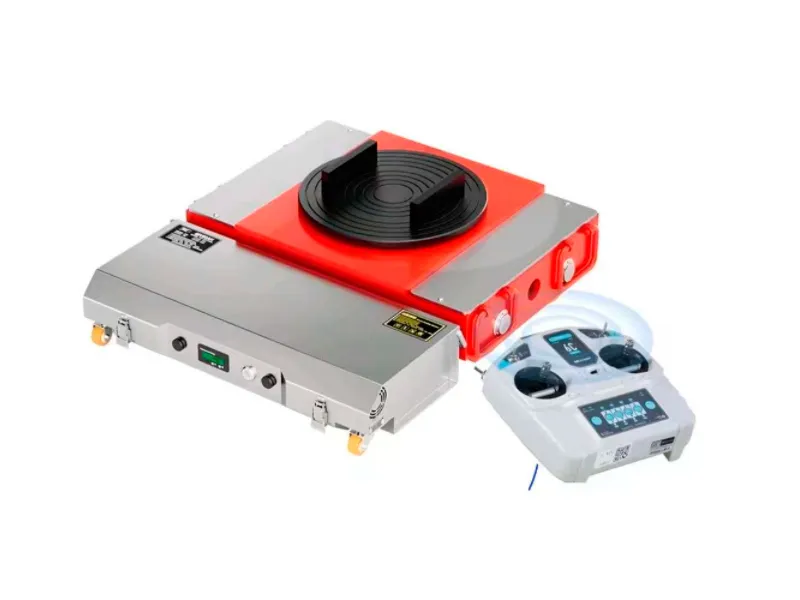
Modern warehouses and distribution centers face increasing demands for speed, safety, and efficiency. Among the most versatile and cost-effective material-handling solutions is the walkie forklift. Unlike traditional sit-down forklifts, walkie forklifts allow operators to stand or walk behind the unit, making them ideal for tight spaces and high-frequency pallet handling.
This guide explores everything you need to know before purchasing a walkie forklift, including key features, load capacity considerations, and essential safety tips to keep your warehouse running smoothly.
What Is a Walkie Forklift?
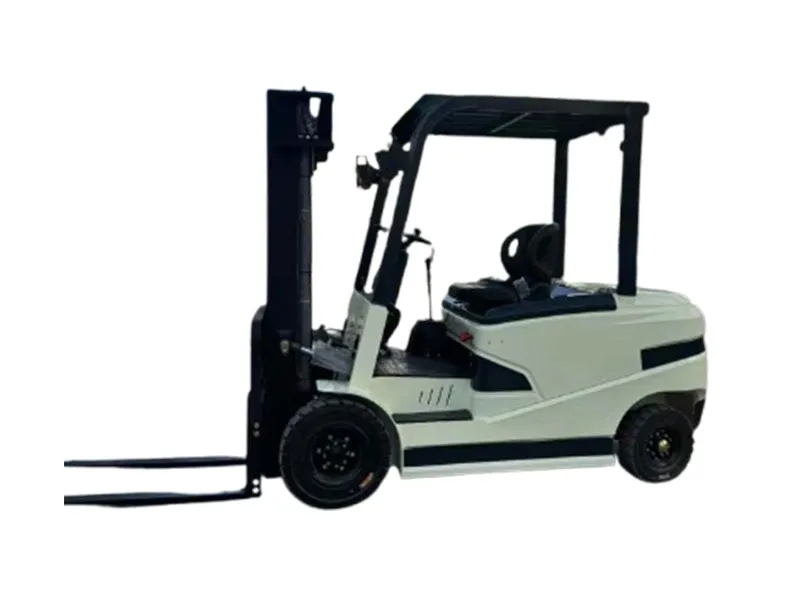
A walkie forklift—sometimes referred to as a walk-behind forklift or walkie pallet truck—is a compact, electrically powered forklift designed for moving pallets and heavy loads in warehouses, factories, and storage facilities. Operators typically stand behind or ride on a small platform attached to the forklift, allowing them to guide it safely through narrow aisles and crowded areas.
Key Characteristics of Walkie Forklifts
Compact and maneuverable: Ideal for tight aisles and crowded warehouses.
Electric-powered: Reduces noise and emissions, perfect for indoor use.
Operator-friendly: Ergonomic handles, easy controls, and smooth steering.
Versatile lifting: Capable of handling medium-weight pallets efficiently.
Short-cycle efficiency: Excellent for quick pick-up and drop-off tasks.
Walkie forklifts are highly efficient for facilities that require frequent short-distance travel and high turnover, making them a staple in modern logistics operations.
Key Features to Consider When Buying a Walkie Forklift
Before investing in a walkie forklift, it's critical to assess the features that impact performance, safety, and long-term ROI.
1. Lifting Capacity
Walkie forklifts typically handle loads ranging from 2,000 lbs to 5,500 lbs, depending on the model. Consider:
Selecting a model with slightly higher capacity than your heaviest loads ensures operational flexibility.
2. Fork Height and Reach
Different operations require different fork heights:
Some walkie forklifts also feature scissor lift capabilities, allowing operators to access elevated storage safely.
3. Battery Type and Runtime
Most walkie forklifts are electric. Choosing the right battery affects productivity:
Battery Type | Advantages | Disadvantages |
Lead-Acid | Lower upfront cost, widely available | Heavier, slower charging, requires maintenance |
Lithium-Ion | Faster charging, longer lifespan, maintenance-free | Higher upfront cost, requires charging infrastructure |
For high-volume warehouses, lithium-ion batteries often provide the best balance of performance and efficiency.
4. Maneuverability and Control
Operator efficiency depends on the forklift's responsiveness:
Steering radius: Ensure the forklift can navigate tight aisles.
Ergonomic handle: Reduces operator fatigue during long shifts.
Multi-directional controls: Joysticks or compact controls allow precise operation.
5. Safety Features
Safety is paramount in high-traffic warehouses. Look for walkie forklifts with:
Automatic braking systems
Speed limiters for confined areas
Non-slip operator platforms
Emergency stop buttons and audible alarms
Stability control for uneven surfaces
Advantages of Using a Walkie Forklift
Walkie forklifts have become increasingly popular due to several operational benefits:
1. Optimized for Narrow Aisles
Their compact design allows operators to work efficiently in aisles as narrow as 8–10 feet, maximizing warehouse storage density.
2. Cost-Effective
Walkie forklifts are typically less expensive than full-size sit-down forklifts, with lower maintenance and energy costs, especially when powered by electricity.
3. Improved Operator Efficiency
Operators can quickly mount and dismount, reducing time spent on repetitive loading/unloading tasks and improving cycle times.
4. Low Emissions
Electric walkie forklifts produce no exhaust, making them suitable for indoor use and complying with modern environmental standards.
5. Versatile Applications
From warehouse pallet movement to dock loading/unloading, walkie forklifts can handle a variety of materials-handling tasks with ease.
How to Choose the Right Walkie Forklift for Your Warehouse
Selecting the right model requires understanding both your operational requirements and future growth. Consider the following factors:
1. Warehouse Layout
Aisle width
Floor surface quality
Turn radius requirements
If your warehouse has narrow aisles, a compact walkie forklift with a tight turning radius is preferable.
2. Load Specifications
Average and maximum pallet weight
Lift height requirements
Type of load (uniform, uneven, or oversized)
Matching forklift capacity to your heaviest pallets ensures safety and efficiency.
3. Operator Considerations
Operator experience and training
Comfort features (anti-fatigue platform, adjustable controls)
Safety features aligned with OSHA regulations
4. Battery and Power Options
Lithium-ion vs lead-acid based on shift duration
Fast-charging vs opportunity charging requirements
Maintenance demands and cost efficiency
5. Supplier Reliability
Choosing a reputable supplier ensures:
Access to quality replacement parts
Responsive technical support
Customizable solutions for your warehouse needs
JUCAI supplies walkie forklifts, high pressure jack systems, and electric pallet trucks for warehouses and construction projects requiring dependable material-handling equipment.
FAQs About Walkie Forklifts
1. What is the main difference between a walkie forklift and a sit-down forklift?
Walkie forklifts are compact, electric-powered, and operated while standing, ideal for narrow aisles. Sit-down forklifts handle heavier loads and longer distances but require more space.
2. Are walkie forklifts safe for indoor warehouses?
Yes, especially electric models. They produce zero emissions, are quiet, and can navigate narrow aisles safely when proper training and safety features are in place.
3. How do I choose the best battery type for my walkie forklift?
For short-cycle, high-frequency operations, lithium-ion batteries are ideal. Lead-acid batteries work for budget-conscious facilities but require more maintenance and longer charging times.
 English