Efficient material handling is critical in industrial and warehouse environments, where heavy drums filled with chemicals, oils, or liquids need to be transported safely. That's where drum dollies—also known as drum movers, barrel carts, or drum moving trolley—become indispensable. Choosing the right drum dolly for sale not only enhances productivity but also ensures workplace safety and compliance with material handling standards.
In this comprehensive guide, we'll explore what a drum dolly is, its key benefits, essential features to look for, and how to use one safely. As a leading manufacturer of lifting and transport equipment, JUCAI provides professional-grade drum dollies designed to meet the demanding needs of industrial operations worldwide.
What is a Drum Dolly?
A drum dolly is a wheeled platform specifically designed to transport cylindrical containers—most commonly 30- and 55-gallon drums—safely and efficiently. Constructed from materials such as steel, aluminum, or high-strength plastic, drum dollies come in various configurations to accommodate different drum types, weights, and applications.
Unlike general-purpose carts, drum dollies are engineered to handle the unique challenges of drum transportation, including:
Round surfaces that can roll or slip easily.
Heavy liquid loads that require stability.
Chemical and oil resistance for industrial settings.
Common types include:
Standard Drum Dolly: A circular frame with four swivel casters for general movement.
Heavy-Duty Drum Dolly: Reinforced steel construction for loads exceeding 1,000 lbs.
Multi-Drum Dolly: Designed to carry multiple drums simultaneously in production or warehouse lines.
Spill-Containment Dolly: Includes a basin or rim to contain leaks, ideal for hazardous material handling.
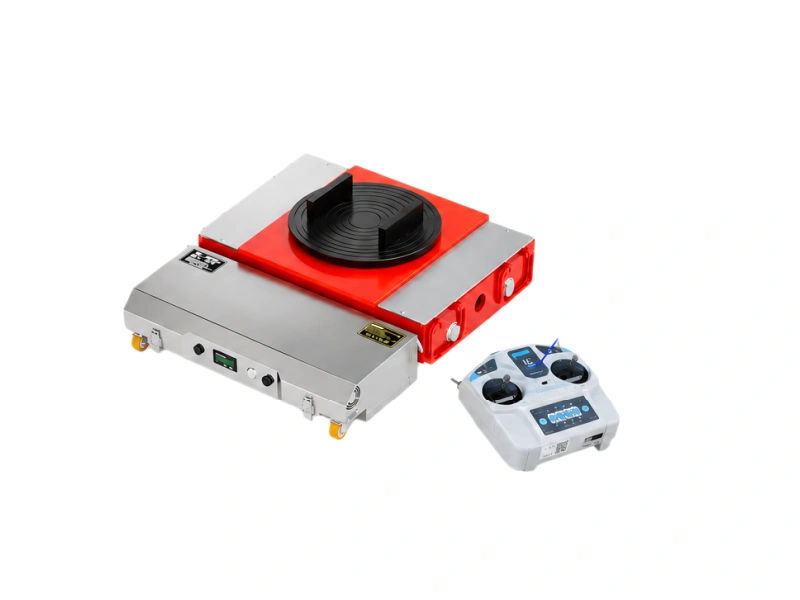
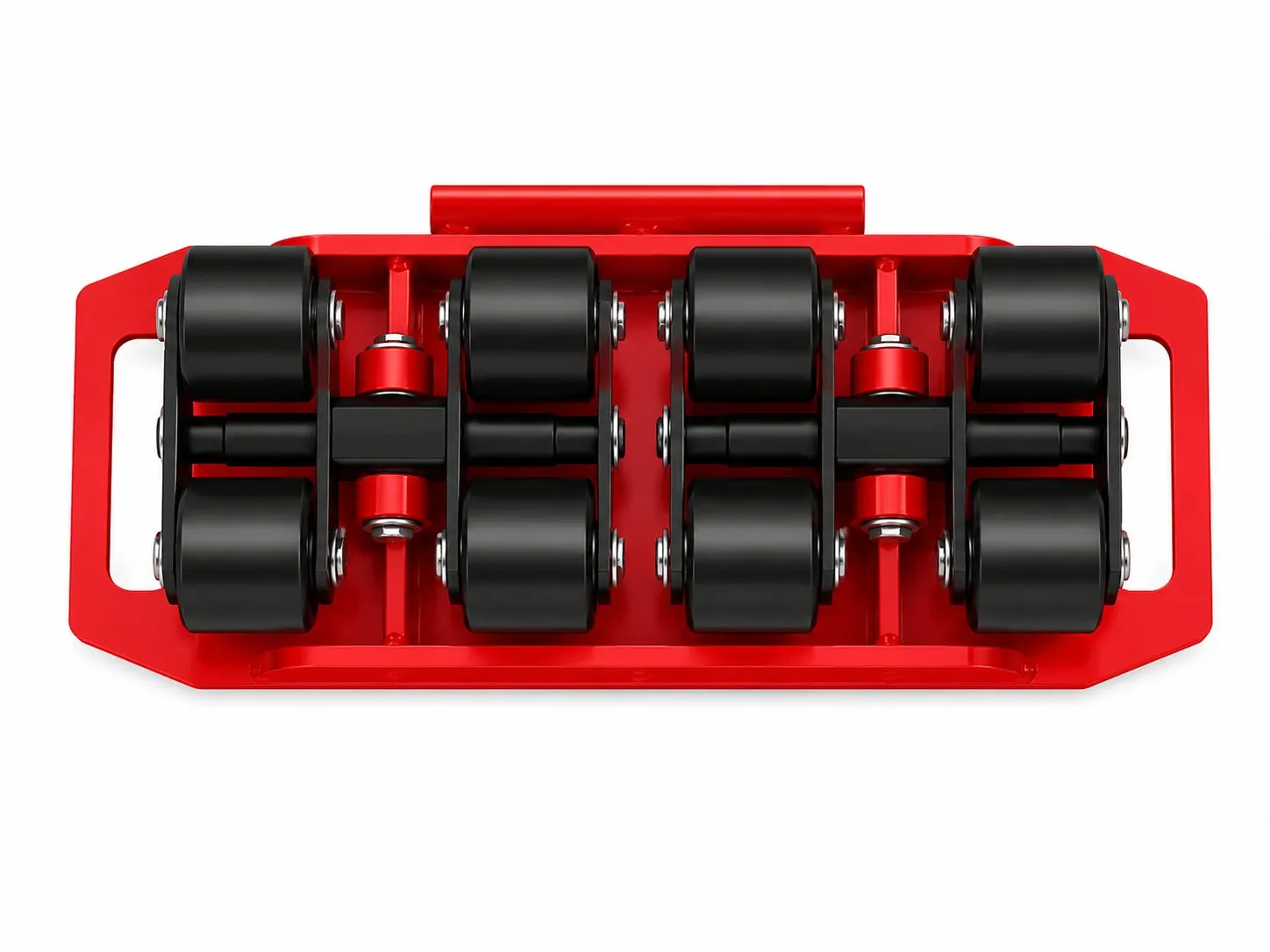
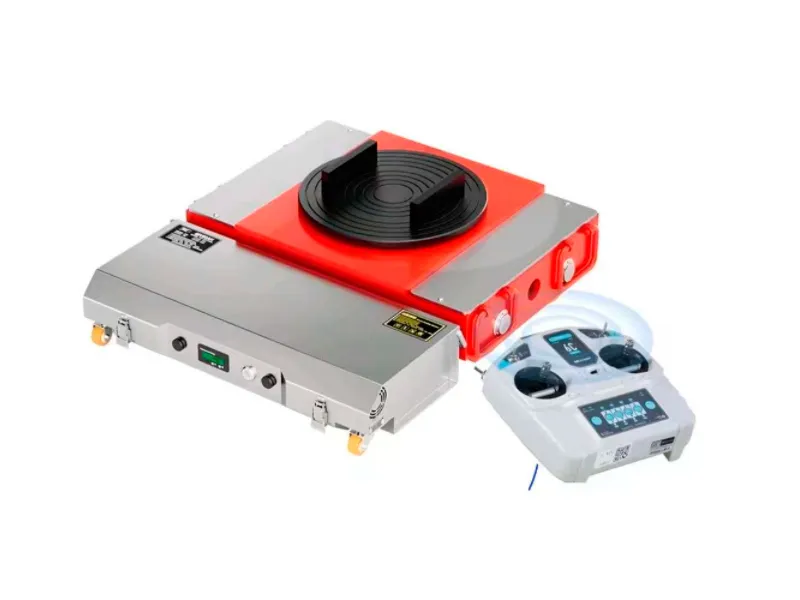
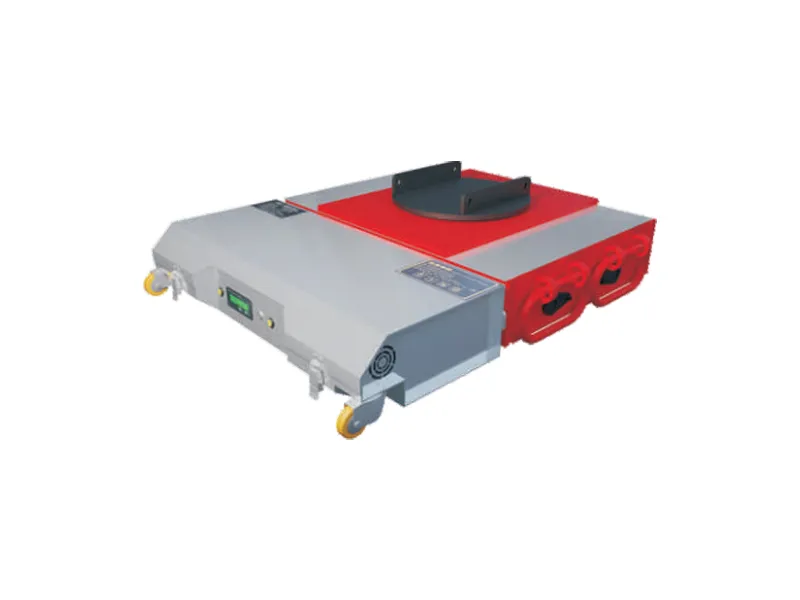
Whether in manufacturing, warehousing, or chemical processing, drum dollies are a simple but essential tool that prevents accidents and streamlines operations. In facilities that also move large equipment, drum dollies are often used alongside heavy machinery dollies to improve overall material-handling efficiency and safety.
What are the Benefits of Using a Drum Dolly?
Using a drum dolly brings both operational and safety advantages that make it a must-have for any workplace dealing with heavy or hazardous drums.
1. Improved Worker Safety
Manually lifting or rolling drums poses serious injury risks. Drum dollies eliminate the need for heavy lifting, minimizing strain on workers' backs and reducing the likelihood of accidents. Many modern drum dollies, such as those produced by JUCAI, come equipped with anti-slip frames, lockable casters, and sturdy base rings to ensure secure transport.
2. Enhanced Efficiency
A well-designed drum dolly allows workers to move drums quickly and easily between workstations, cutting handling time by up to 50%. In busy warehouse operations, this directly translates to improved throughput and reduced downtime.
3. Versatility Across Industries
Drum dollies aren't limited to factories—they're widely used in logistics centers, construction sites, wind power plants, and port operations. Whether transporting lubricants, adhesives, or chemicals, these tools, especially a versatile drum moving trolley, provide safe, flexible mobility for different materials.
4. Reduced Equipment Damage
Drums are often expensive to replace and can cause environmental hazards if ruptured. Using a drum dolly for sale that is designed for drum-specific handling reduces collision risk and prevents accidental tipping.
5. Cost Efficiency
Investing in a durable drum dolly from a trusted manufacturer like JUCAI can save long-term maintenance and injury-related costs. Many drum dollies have low maintenance requirements and are built to last years under demanding conditions.
Key Features & Safety Tips for Drum Dolly Selection
Choosing the right drum dolly is about understanding your application, load type, and work environment. Here's what to consider when making your decision:
Feature | Why It Matters | Recommended Specification |
Load Capacity | Ensures the dolly can safely support drum weight (especially when full). | Minimum 1,000 lbs for industrial use. |
Frame Material | Determines strength, durability, and corrosion resistance. | Steel for heavy-duty; aluminum or poly for chemical resistance. |
Caster Type | Affects maneuverability and stability on different surfaces. | Swivel casters with brakes; polyurethane wheels for smooth floors. |
Drum Compatibility | Ensures a secure fit for 30-, 55-, or 85-gallon drums. | Adjustable or size-specific ring design. |
Spill Containment | Prevents hazardous leaks during transport. | Integrated rim or basin for chemical environments. |
Ergonomic Design | Enhances operator comfort and efficiency. | Easy-grip handles, anti-slip platforms. |
Safety Tips for Using Drum Dollies
Inspect Before Use: Always check for damaged casters, loose bolts, or frame cracks before operation.
Center the Load: Make sure the drum sits evenly on the dolly to prevent tipping.
Avoid Uneven Surfaces: Use the dolly only on level ground to maintain balance.
Use Wheel Locks: Engage wheel brakes when loading or unloading.
Follow Weight Limits: Never exceed the dolly's rated capacity—overloading can lead to caster failure or injury.
Wear PPE: Gloves and steel-toed shoes are recommended when handling heavy drums.
By following these practices, you can ensure safe and efficient drum handling across industrial environments.
How to Use a Drum Dolly
While drum dollies are easy to operate, correct handling is essential for safety and performance. Here's a quick step-by-step guide:
Position the Dolly: Place it close to the drum, ensuring it's stable and the brakes are engaged.
Tilt the Drum: Use a drum lifter or tilting tool to carefully lower the drum onto the dolly. Avoid rolling drums onto the platform by hand.
Center and Secure: Ensure the drum sits evenly within the dolly ring or platform.
Release the Brakes: Unlock the wheels and slowly move the dolly, keeping control on inclines or turns.
Transport Safely: Move at a steady pace—avoid sudden starts or stops that can shift the drum's weight.
Unload Carefully: Re-engage the brakes and use mechanical aids if lifting is required.
JUCAI's Drum Dollies: Designed for Performance
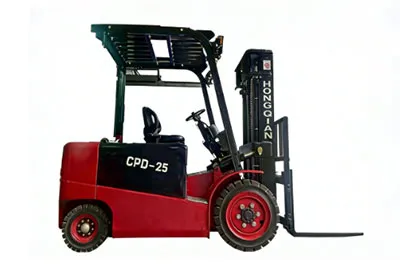
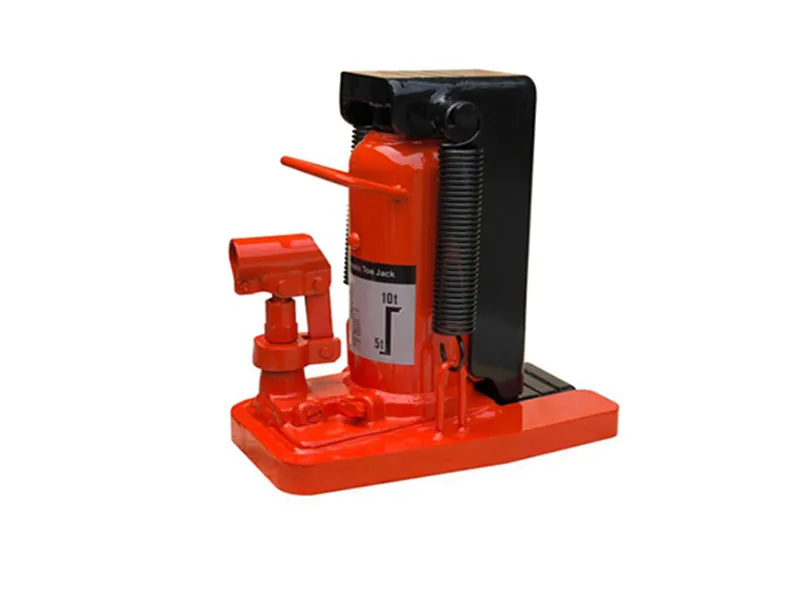
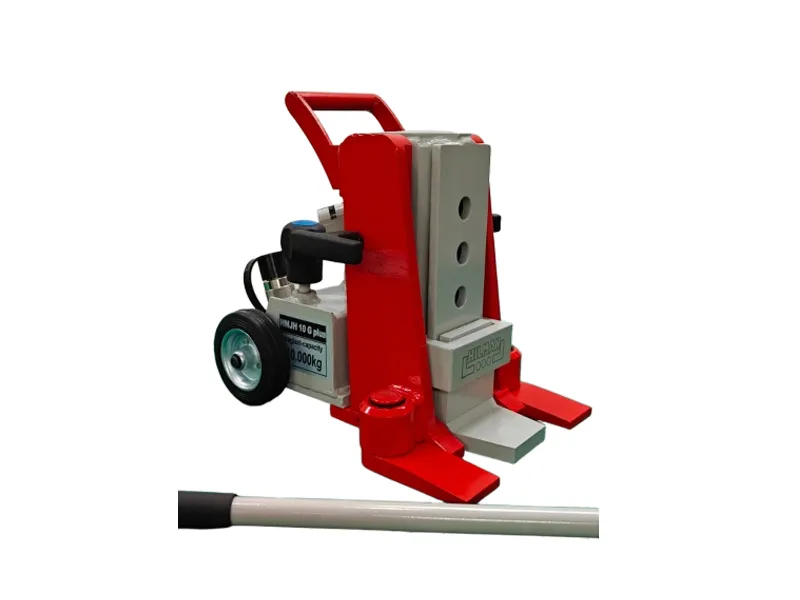
As an industry-leading manufacturer, JUCAI specializes in the design and production of lifting and transport solutions, including electric pallet trucks, hydraulic jacks, forklifts, and heavy-duty drum dollies.
Built with the principle of “Customer First, Innovation-Oriented,” JUCAI's drum dollies combine robust engineering, ergonomic design, and precision manufacturing to serve industries such as manufacturing, warehousing, construction, wind energy, and port logistics.
With a focus on safety, efficiency, and durability, JUCAI drum dollies are trusted by professionals worldwide for handling 55-gallon and industrial-size drums under demanding conditions.
Final Thoughts
Selecting the right drum dolly is about balancing safety, functionality, and durability. By choosing a high-quality model—like those designed by JUCAI—you can improve workflow, reduce downtime, and ensure safer operations in your facility. Whether you're managing a large industrial warehouse or a small manufacturing plant, investing in the right drum handling equipment is a decision that pays off in efficiency and peace of mind.
References:
What Are Industrial Carts and Dollies? – RPP Containers Blog
Drum Dollies: Simplifying the Process of Moving Drums – Monroe Engineering Blog
 English