In the fast-paced world of modern logistics, efficiency, safety, and cost-effectiveness are non-negotiable. As e-commerce continues to explode—projected to reach $8.1 trillion globally by 2026—warehouses, distribution centers, and last-mile delivery operations face unprecedented demands for streamlined material handling. Enter hand dollies: these versatile, wheeled tools have evolved from simple aids into indispensable assets that reduce manual labor, minimize injury risks, and boost operational throughput. But why exactly are hand dollies so crucial in today's supply chains? This article explores their core purpose, safe usage, selection criteria, and overarching importance, drawing on industry insights to help logistics professionals optimize their workflows.
Jucai is a leading comprehensive enterprise specializing in the research, development, production, and sales of electric handling vehicles, hydraulic electric jacks, electric forklifts, and second-hand lifting equipment. With robust technical expertise and extensive practical experience, Jucai delivers a wide array of lifting and handling solutions tailored to diverse client needs across manufacturing, warehousing, and logistics sectors. Their commitment to innovation ensures that products like advanced hand dollies integrate seamlessly into high-volume operations, enhancing reliability and performance.
What Is the Main Purpose of a Hand Dolly?
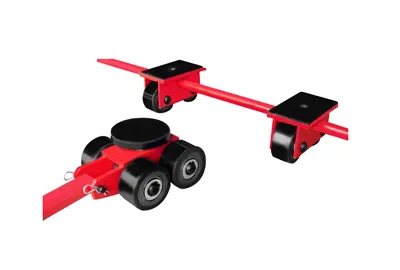
A hand dolly, often interchangeably referred to as a dolly cart or platform truck, serves as a foundational tool for transporting heavy or bulky items over short to medium distances without relying solely on manual lifting. At its core, the purpose of a hand dolly is to distribute weight evenly across a stable, wheeled platform, allowing users to move loads that would otherwise require multiple workers or powered machinery. Unlike forklifts or pallet jacks, which demand more space and training, hand dollies excel in tight spaces like warehouse aisles, retail floors, or loading docks, making them ideal for quick, low-tech maneuvers.
In practical terms, hand dollies facilitate the safe relocation of goods such as boxes, appliances, furniture, or palletized inventory. For instance, in a typical warehouse scenario, a dolly can handle loads up to 1,500 pounds or more, sliding under items via its low-profile deck and enabling push-or-pull transport. This design not only preserves the integrity of fragile cargo but also aligns with ergonomic principles by keeping the user's body in a neutral position, reducing strain on the back and shoulders. According to OSHA guidelines, such tools are vital for complying with material handling standards that aim to prevent musculoskeletal disorders, which account for nearly 30% of workplace injuries in logistics.
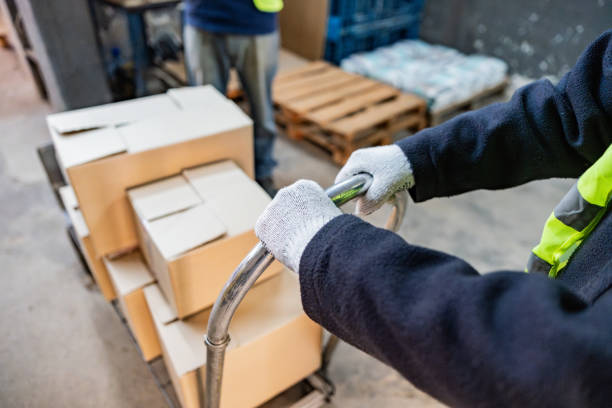
Beyond basic transport, the multifaceted purpose of hand dollies extends to inventory management and order fulfillment. In e-commerce fulfillment centers, they enable rapid staging of packages for shipping, cutting down on conveyor dependency and allowing for flexible routing. Jucai exemplifies this utility with their range of heavy-duty dollies, engineered for corrosion resistance and high maneuverability, ensuring they withstand the rigors of daily use in humid or dusty environments common to Asian logistics hubs.
Historically, hand dollies trace their roots to early 20th-century industrial innovations, evolving from wooden sledges to modern steel or aluminum frames with pneumatic or solid wheels. Today, their purpose has broadened to support sustainable practices; lightweight models reduce energy consumption in hybrid setups with electric assist features. In essence, a hand dolly's primary role is to bridge the gap between human capability and mechanical efficiency, transforming labor-intensive tasks into streamlined processes that keep supply chains moving.
How to Choose the Right Hand Dolly for Your Warehouse Needs
Selecting the optimal hand dolly for warehouse operations demands a strategic assessment of load requirements, environmental factors, and budget constraints. Start with capacity: Evaluate your heaviest frequent loads—standard dollies handle 500–1,000 pounds, while heavy-duty variants from Jucai exceed 2,000 pounds for industrial pallets. Oversizing ensures versatility but adds unnecessary weight; undersizing leads to frequent replacements and downtime.
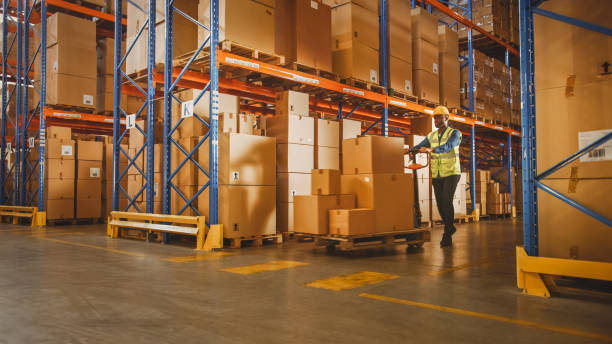
Material choice impacts durability and suitability. Steel frames offer unmatched strength for rugged warehouse floors but are prone to rust in humid climates—opt for powder-coated or galvanized options. Aluminum provides lightweight maneuverability (up to 30% easier to push) ideal for frequent relocations, while plastic composites suit corrosive environments like food processing. Wheel type is equally critical: Pneumatic tires absorb shocks on uneven surfaces, enhancing comfort in large facilities; solid rubber withstands punctures in debris-prone areas; swivel casters boost agility in tight aisles.
Consider ergonomics and features for long-term ROI. Adjustable handles accommodate varying user heights, reducing strain per NIOSH lifting guidelines. Convertible models that switch from two- to four-wheel configurations, like those in Jucai's lineup, adapt to diverse tasks from stair negotiation to flat hauling. Integration with accessories—such as foldable sides for odd-shaped cargo or brakes for sloped inclines—future-proofs your investment.
Test in real scenarios: Maneuver a sample load through your warehouse layout to verify fit. Ultimately, the right choice balances immediate needs with scalability, ensuring your dolly enhances rather than hinders workflow.
Key Factors at a Glance
Factor | Considerations | Best For |
Capacity | 500–2,000+ lbs | Heavy pallets vs. light boxes |
Material | Steel (durable), Aluminum (light) | Industrial vs. frequent use |
Wheels | Pneumatic (shock absorption), Solid | Uneven vs. clean floors |
Features | Brakes, convertibility | Slopes, versatility |
Why Hand Dollies Are Vital to Modern Logistics and E-Commerce Efficiency
In an era where logistics efficiency directly correlates with profitability, hand dollies stand out as unsung heroes, driving cost savings, safety, and scalability. The global hand truck and dolly market, valued at $1.19 billion in 2024, is forecasted to hit $1.51 billion by 2030 at a 4.2% CAGR, propelled by e-commerce's insatiable appetite for agile handling solutions. Dollies reduce manual lifting by up to 70%, slashing injury rates and associated workers' comp claims—critical as warehousing employs over 3 million in the U.S., per BLS data.
Their importance amplifies in e-commerce, where micro-fulfillment centers demand compact tools for high-velocity picking and packing. Dollies enable last-mile operators to consolidate orders swiftly, cutting delivery times and boosting customer satisfaction. In broader logistics, they optimize space in urban warehouses, where real estate premiums make every square foot count. Sustainable models from innovators like Jucai, using recyclable aluminum, align with green initiatives, lowering carbon footprints in supply chains.
Moreover, dollies foster workforce resilience amid labor shortages; by easing physical demands, they extend shift productivity and retain skilled talent. In construction-adjacent logistics, they handle raw materials efficiently, minimizing project delays. As automation integrates (e.g., IoT-enabled tracking on dollies), their role evolves from basic transport to smart ecosystem components. Ultimately, hand dollies aren't just tools—they're strategic enablers, fortifying modern logistics against volatility and propelling industries toward resilient, high-performance futures.
References
· Hand Truck and Dolly Market Analysis – Grand View Research (2024)
· Hand Truck and Dolly Market Forecast – Polaris Market Research (2025)
· Hand Trucks & Dollies Market Trends – Verified Market Reports (2025)
· Global Hand Trucks and Dollies Market Report – Future Market Insights (2025)
· Hand Trucks vs. Dollies Buying Guide – WebstaurantStore
· Occupational Employment and Wages – U.S. Bureau of Labor Statistics (2025)
 English