Global infrastructure, energy, port, mining, and construction projects in 2026 are facing a procurement reality that project managers cannot afford to ignore: new crane lead times have extended significantly, with factory order backlogs, steel supply constraints, and shipping capacity limitations pushing delivery windows for new equipment to 12–18 months or longer in many markets. For a contractor who wins a project in Q1 and needs lifting capacity by Q3, a new crane order placed today may not arrive until the project is already behind schedule.
This is not a temporary disruption—it is a structural feature of the 2026 heavy equipment market that requires a deliberate sourcing strategy. Used cranes have moved from a budget compromise to a strategic procurement option for contractors, rental companies, energy project developers, port operators, and industrial buyers who need verified lifting capacity available now, at a predictable fixed cost, without the schedule risk that new equipment procurement creates.
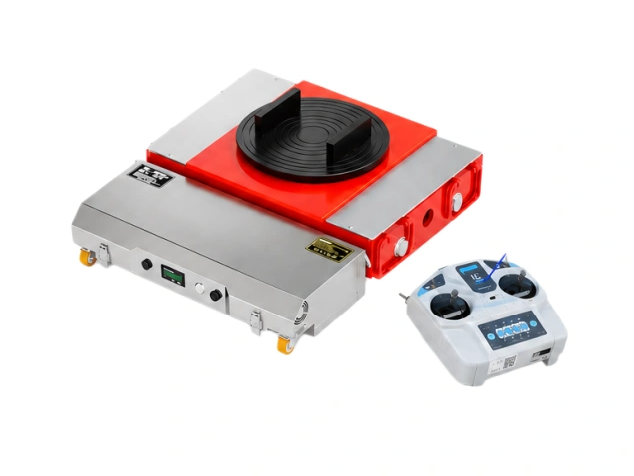
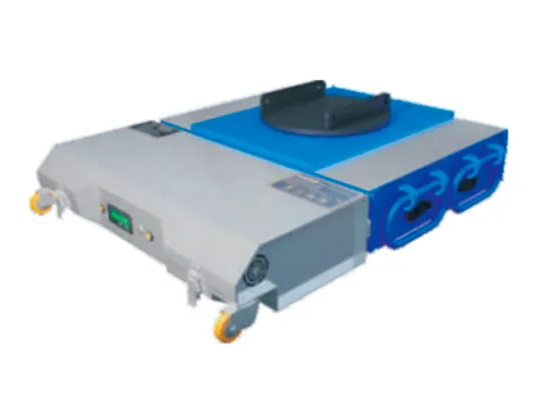
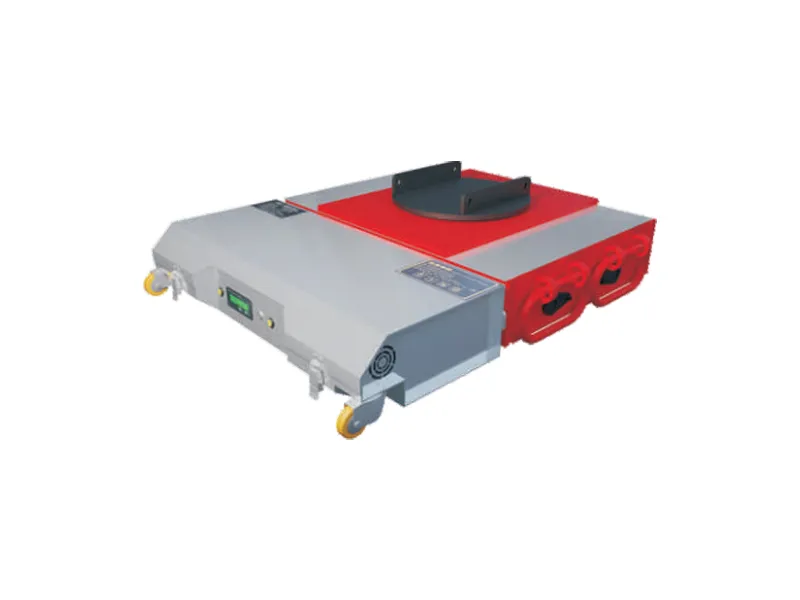
JC Lifting Machinery supplies inspected, tested, ready-to-work second-hand crane options with competitive pricing and global shipping support, covering crane types from 25 tons to 300 tons across major global brands including Tadano, Kato, Grove, Liebherr, XCMG, SANY, and Zoomlion. For projects that also require indoor equipment positioning or factory installation after the crane has placed equipment near the site, JC's air cushion vehicle for sale range provides complementary low-friction heavy-load movement capability from 10 to 700 tons per vehicle.
Why Used Cranes Are the Fast-Track Choice for Time-Sensitive Projects
The fundamental advantage of used cranes over new equipment in 2026 is not price—it is time. A used crane that has already been manufactured, operated, and inspected can be sourced, shipped, and commissioned in a fraction of the time required for a new unit. For projects with fixed start dates, penalty clauses for delays, or seasonal windows that cannot be extended, this time advantage translates directly into project viability.
The new crane procurement timeline problem:
A new crane order in 2026 typically involves a factory order placement, production scheduling (which may be 6–12 months out for popular models), factory acceptance testing, export documentation, ocean freight (4–8 weeks for most global routes), destination port clearance, and commissioning. Total elapsed time from order to operational deployment: 12–18 months in many markets, longer for specialized configurations.
The used crane sourcing timeline:
A used crane sourced from an established supplier with an existing inventory can be inspected, documented, and shipped within weeks of purchase confirmation. Ocean freight to most global destinations takes 3–6 weeks. Port clearance and commissioning add 1–2 weeks. Total elapsed time from sourcing decision to operational deployment: 6–10 weeks in most cases—a difference of 10–14 months compared with new equipment procurement.
The budget protection argument:
In an inflationary market where new crane prices have increased 15–30% over the past three years, buying a verified used crane at a fixed price locks the asset cost at the time of purchase. There is no exposure to further price increases during a long manufacturing and delivery cycle. For project budgets that were set 12–18 months ago based on equipment cost estimates, this price certainty is a significant financial risk management benefit.
The fleet flexibility argument:
For rental companies and contractors who need to expand fleet capacity for a specific project or season, used cranes allow rapid fleet scaling without the capital commitment of new equipment. A used crane purchased at the right price can be redeployed to the next project, rented to other operators, or resold at the end of the project—providing asset flexibility that a new crane's higher purchase price makes more difficult to justify for short-duration deployments.
How Used Cranes Work as a Strategic Asset: Inspection, Testing, and Deployment
Treating used crane procurement as a strategic asset acquisition—rather than a simple equipment purchase—requires a structured technical and commercial workflow that protects the buyer from hidden condition risks.
The inspection and verification process:
JC's used crane sourcing process includes mechanical and structural inspection covering engine and hydraulic system condition reports, boom and structural integrity inspection, operational load testing, maintenance records where available, and HD photos and videos of each machine. This documentation package allows buyers to evaluate the crane's condition before committing to purchase—reducing the information asymmetry that creates risk in used equipment transactions.
The recommended buyer workflow:
Step 1 — Define the lifting requirement precisely. Maximum load weight, required working radius at maximum load, lifting height, boom configuration, jobsite terrain and access constraints, and project duration. These parameters determine the crane type and capacity range that will actually perform the required work safely.
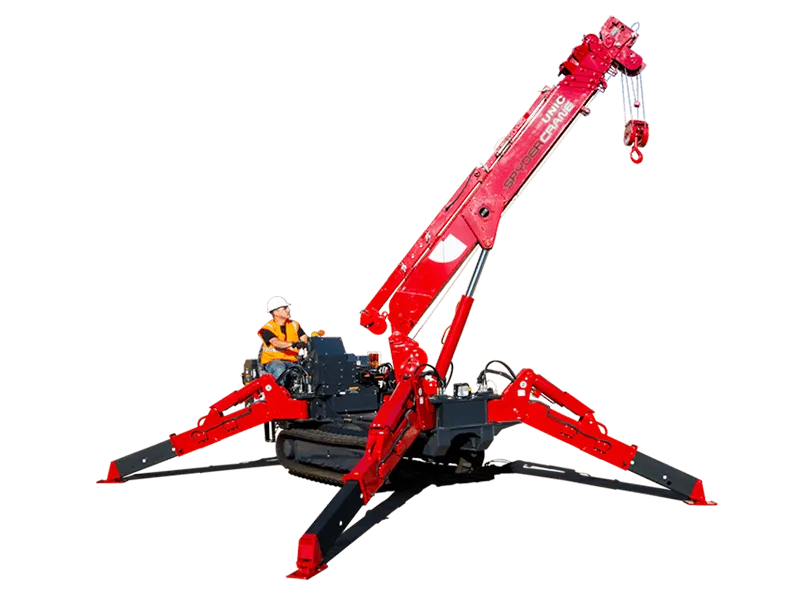
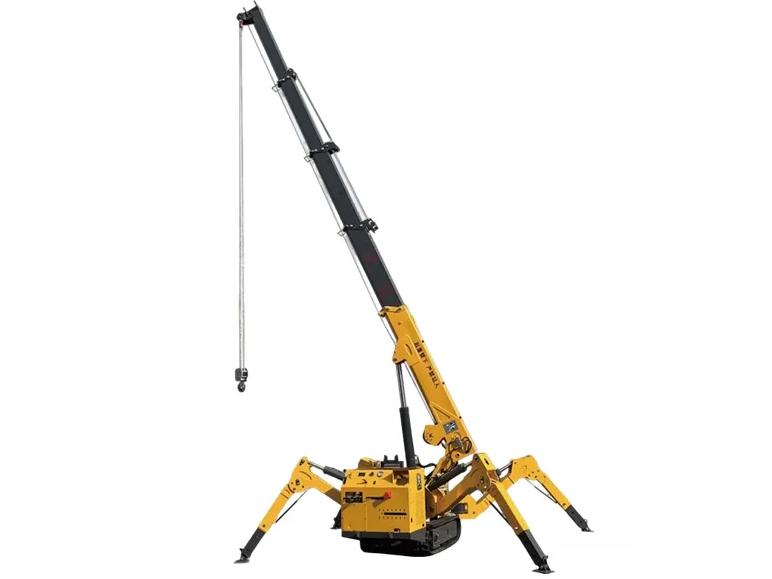
Step 2 — Match crane type to the application. Truck cranes for road-mobile lifting across multiple sites; crawler cranes for heavy lifts on soft ground; rough-terrain cranes for off-road jobsites; spider cranes for confined urban or indoor lifting; mobile all-terrain cranes for versatile multi-site deployment.
Step 3 — Review the inspection documentation. Engine hours, hydraulic system condition, boom structural inspection, load test results, and maintenance history. Request additional photos or video of specific components if the documentation does not cover areas of concern.
Step 4 — Confirm shipping logistics. Destination port, shipping method (Ro-Ro, flat rack, break-bulk), export documentation requirements, import duties and customs procedures, and estimated delivery timeline. JC supports global shipping through Ro-Ro vessels, flat rack containers, bulk cargo, and break-bulk shipping, with assistance on export procedures, customs, and safety inspections.
Step 5 — Plan commissioning and operator qualification. Confirm local safety certification requirements, operator training needs, and spare parts availability before the crane arrives on site.
Key Specifications to Check Before Buying Used Cranes for Sale
A reliable used crane quotation should include a complete technical and commercial specification package—not only price and brand. The following checklist gives buyers a consistent framework for evaluating and comparing options.
Technical Specification Checklist
| Specification | What to Confirm | Why It Matters |
|---|
| Crane type | Truck crane, mobile crane, spider crane, crawler crane | Matches jobsite access and lifting method |
| Rated capacity | Maximum tonnage and load chart | Prevents unsafe under-sizing for the actual lift |
| Boom length | Main boom, jib, extension options | Determines lifting height and horizontal reach |
| Working radius | Required radius under maximum load | Critical for real-world lifting capacity |
| Manufacturing year | Year of manufacture | Indicates technology generation and remaining lifecycle |
| Working hours | Engine hours and hydraulic cycle count | Primary indicator of mechanical wear |
| Inspection status | Engine, hydraulic, boom, structure, load test | Reduces hidden condition risk |
| Brand and model | Tadano, Kato, Grove, Liebherr, XCMG, SANY, Zoomlion | Affects parts availability, service network, and resale value |
| Refurbishment status | Repainted, overhauled, or as-is | Affects immediate deployment readiness |
Commercial and Logistics Specification Checklist
Shipping method and destination port compatibility
Export documentation: certificate of origin, inspection certificate, customs declaration
Import requirements at the destination country
Spare parts availability for the specific brand and model
Warranty or post-sale support terms
JC's used crane inventory covers cranes from 25 tons to 300 tons across major global brands, with condition verification and global shipping support for international buyers.
Application Scenarios: Where Used Cranes Deliver the Best ROI
Construction and Civil Infrastructure Bridge construction, building erection, road infrastructure, and civil engineering projects require lifting capacity that matches the project schedule—not the equipment manufacturer's production schedule. Used cranes allow contractors to mobilize the right capacity for each project phase without waiting for new equipment delivery.
Machinery Installation and Factory Relocation Moving heavy production equipment, installing large machinery, and relocating manufacturing lines require crane capacity that is often needed for a defined project period rather than permanently. Used cranes provide the required capacity at a lower cost than new equipment for these time-limited applications—and can be resold or redeployed after the project is complete.
Port and Shipyard Lifting Peak-season lifting demand at ports and shipyards often exceeds the capacity of the permanent crane fleet. Used cranes provide rapid fleet augmentation for peak periods without the capital commitment of permanent new equipment additions.
Wind Power and Energy Projects Turbine component handling, transformer installation, and substation construction require heavy lifting capacity that is often needed for a defined project window. Used cranes matched to the specific component weights and lift radii provide the required capability at lower cost than new equipment for project-duration deployments.
Mining and Industrial Operations Heavy machinery repair, site expansion, and maintenance lifting in mining and industrial operations require crane capacity that is available when the maintenance window opens—not when a new crane order is eventually delivered. Used cranes with verified condition provide the reliability needed for critical maintenance operations.
Crane Rental Fleet Expansion Rental companies that need to expand fleet capacity quickly to meet customer demand cannot wait 12–18 months for new crane delivery. Used cranes from major global brands with verified condition and available spare parts allow rapid fleet scaling that captures revenue opportunities that would otherwise be lost to competitors with available equipment.
Maintenance Planning, TCO, and the Air Cushion Vehicle Integration
Maintenance Planning Checklist for Used Crane Deployment
Before deploying a used crane on a project, buyers should complete the following maintenance verification:
Hydraulic system: oil condition, filter replacement, seal inspection, hose condition, cylinder inspection
Engine: oil and coolant condition, air filter, fuel system, hours since last service
Boom structure: weld inspection, pin and bushing condition, sheave and wire rope condition, hook block inspection
Safety systems: overload protection, anti-two-block device, load moment indicator, emergency stop
Chassis and mobility: tires or tracks, brakes, steering, outrigger pads and cylinders
Electrical systems: controls, lighting, sensors, and communication systems
Spare parts inventory: identify wear parts and critical components before deployment to avoid project delays from parts unavailability
TCO Advantages of Used Crane Procurement
Lower acquisition cost is the most immediate TCO advantage—used cranes typically cost 40–70% of the equivalent new crane price, depending on age, condition, brand, and market conditions. This capital saving can be deployed in project operations, additional equipment, or working capital.
Faster project mobilization from shorter sourcing-to-deployment timelines reduces the cost of project delays and allows revenue generation to begin earlier—improving the project's financial return.
Lower depreciation pressure from a lower purchase price reduces the per-hour depreciation cost that must be recovered through project billing or rental rates—improving the economics of short-duration deployments.
Fixed asset cost certainty in an inflationary market protects the project budget from further equipment price increases during a long procurement cycle—a risk management benefit that has real financial value in 2026's market environment.
Air Cushion Vehicle Integration for Complete Heavy-Load Solutions
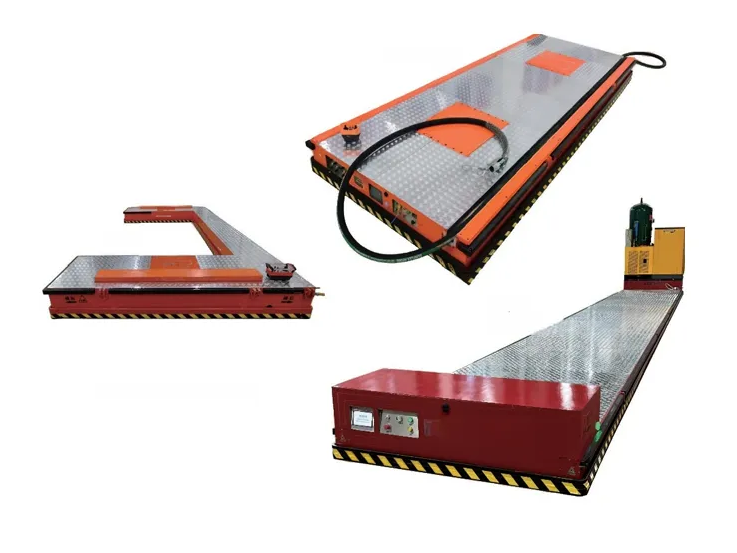
For projects that require both outdoor crane lifting and indoor equipment positioning—factory installations, cleanroom equipment moves, transformer installation in substations, or heavy machinery placement in production facilities—JC's air cushion vehicle range provides the complementary capability that completes the heavy-load handling solution.
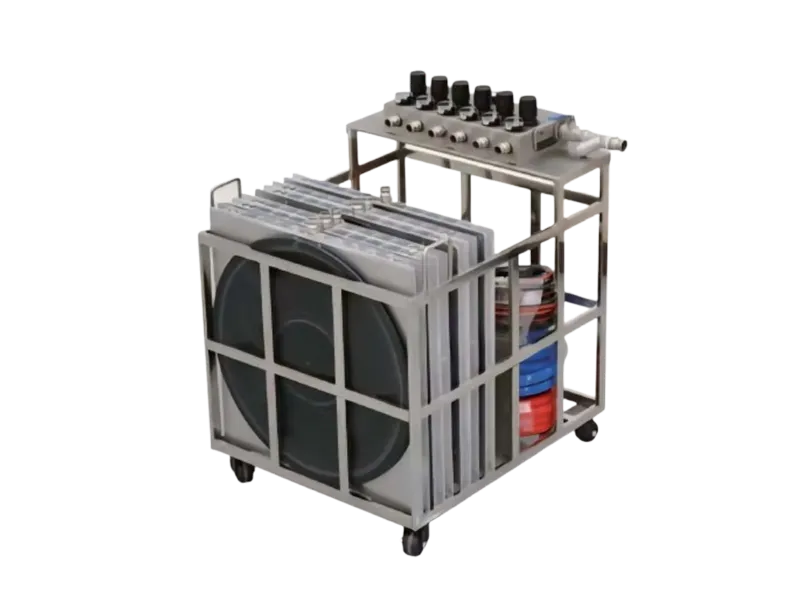
JC's air cushion vehicles support customized dimensions, 10–700 tons per vehicle load capacity, 10–60mm working stroke, and multi-vehicle operation for very heavy loads. Where the crane places equipment near the installation point, the air cushion vehicle moves it into final position with minimal floor contact—protecting expensive flooring, reducing manual handling risk, and enabling precise positioning that crane rigging alone cannot achieve.
Conclusion
The 2026 heavy equipment market rewards buyers who plan procurement strategically rather than reactively. Used cranes provide the immediate availability, predictable fixed cost, and faster mobilization that time-sensitive projects require—without the 12–18 month lead time that new crane procurement creates in today's market. For contractors, rental companies, energy project developers, port operators, and industrial buyers who need verified lifting capacity now, a well-sourced used crane from a supplier with documented inspection processes and global shipping capability is the most effective solution to the lead-time problem.
JC Lifting Machinery supplies inspected, tested, competitively priced used cranes across 25–300 ton capacity ranges and major global brands, with global shipping support and complementary heavy-load moving solutions including air cushion vehicles for complete project lifting and positioning capability.
Visit the JC Lifting Machinery Used Cranes product page to request a recommended configuration and quotation.
Please submit the following details for an accurate recommendation:
Work condition: Construction, port, factory relocation, mining, energy project, bridge or road construction, rental fleet expansion, indoor or outdoor site
Quantity: Single unit, fleet expansion batch, project-specific quantity, or annual sourcing plan
Size/spec: Crane type, rated capacity, boom length, required lifting height, working radius, preferred brand or model, shipping destination and port
Target metrics: Required delivery timeline, budget ceiling, load test requirement, inspection standard, project start date, resale value target
Current problems: New crane lead time too long, budget inflation exposure, fleet shortage for upcoming project, urgent project deadline, lack of local equipment availability, complex import planning
FAQ
1. What are used cranes?
Second-hand lifting machines that have been previously operated and are resold after inspection, testing, refurbishment, or condition verification. They include truck cranes, mobile cranes, spider cranes, crawler cranes, and other lifting equipment from major global manufacturers. JC's used crane inventory covers 25–300 ton capacity ranges across brands including Tadano, Kato, Grove, Liebherr, XCMG, SANY, and Zoomlion.
2. Used cranes vs. new cranes: which is better for 2026 projects?
New cranes offer the latest configuration and full new-equipment lifecycle, but require 12–18 months lead time and carry price inflation risk during the procurement cycle. Used cranes are the better choice when the project needs lifting capacity within weeks, when the budget was set before recent price increases, or when the deployment duration does not justify the capital commitment of new equipment. The best choice depends on project timeline, budget, lifting requirements, and maintenance planning capability.
3. What is the ROI of buying used cranes?
ROI comes from lower purchase cost (typically 40–70% of new crane price), faster project mobilization (6–10 weeks vs. 12–18 months), lower depreciation pressure on short-duration deployments, fixed asset cost certainty in an inflationary market, and potential resale value recovery at project completion. For rental fleet operators, used cranes also enable rapid capacity expansion that captures revenue opportunities that would otherwise be lost.
4. Do used cranes require modification before deployment?
Many units can be deployed after inspection, maintenance verification, and commissioning without major modification. Buyers should verify local safety certification requirements, operator training needs, spare parts availability, and any site-specific lifting accessories before deployment. JC's inspection documentation—including engine and hydraulic reports, boom inspection, and load test results—provides the technical basis for deployment readiness assessment.
5. What parameters are needed for correct selection and quotation?
Crane type, required lifting capacity, working radius at maximum load, lifting height, boom length, jobsite terrain and access conditions, preferred brand or model, budget ceiling, required delivery timeline, destination country and port, inspection and certification requirements, and current project problem such as new crane lead time, fleet shortage, or urgent project deadline.
 English