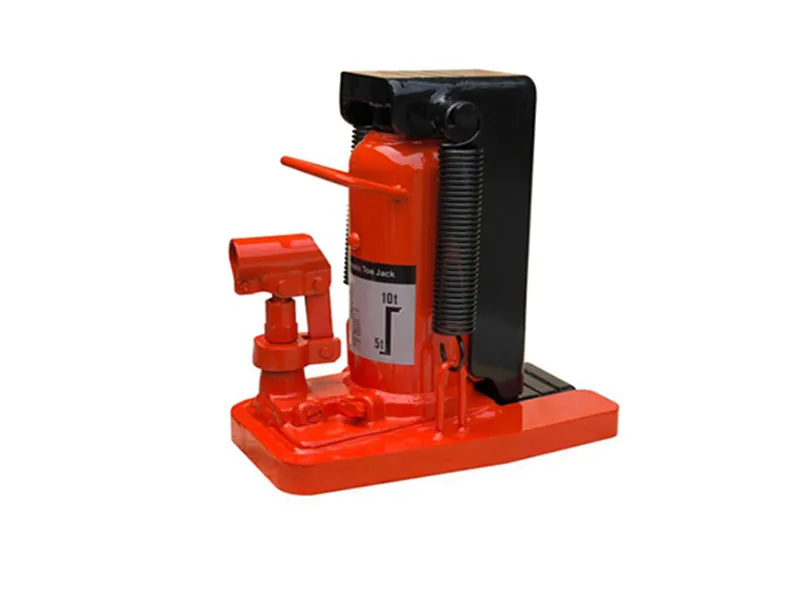
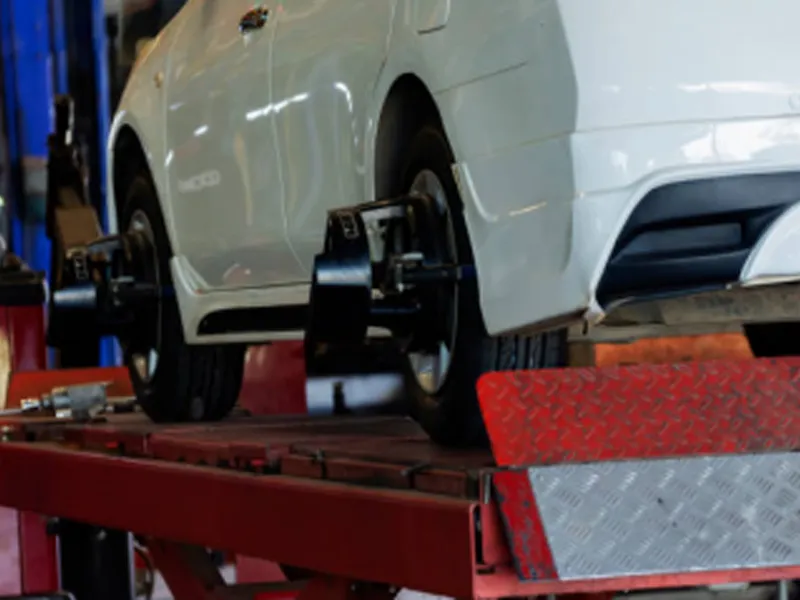
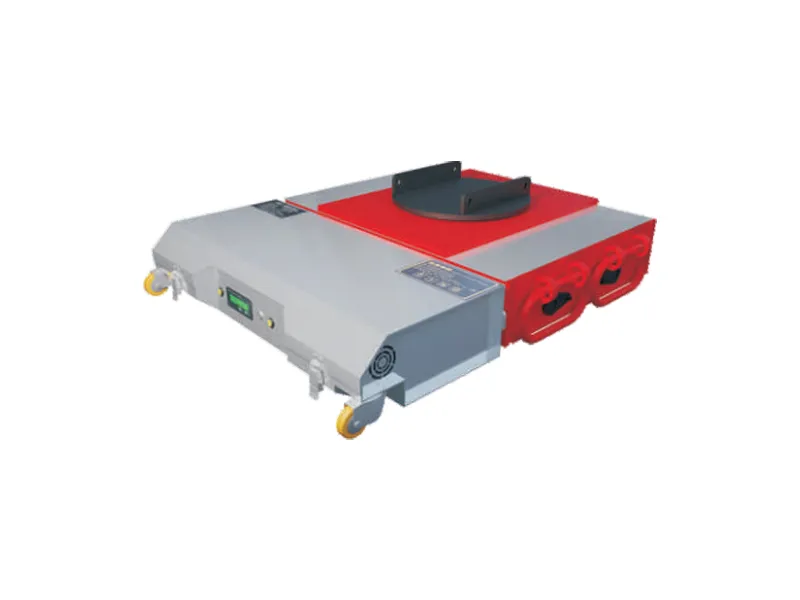
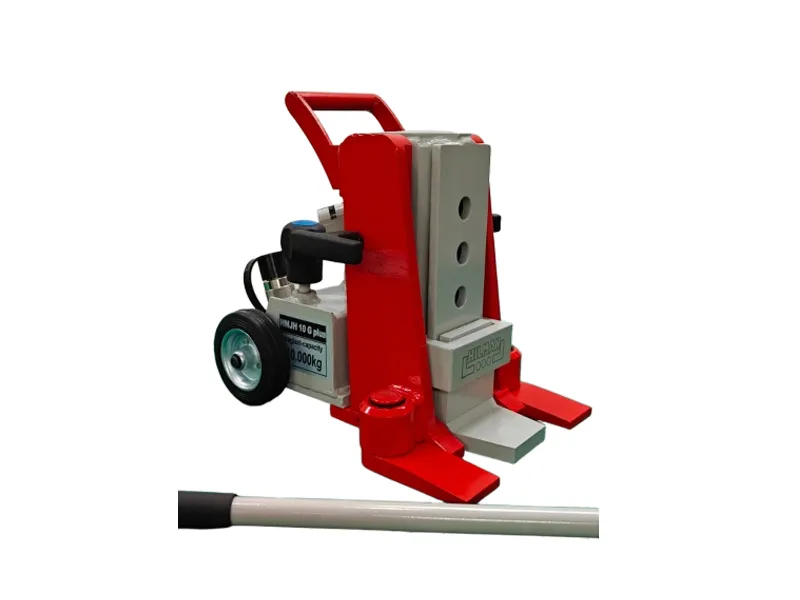
In modern workshops and industrial settings, lifting and positioning heavy loads safely is a critical task. Among the many lifting solutions available, mechanical screw jacks remain a reliable, precise, and durable option. Their simple yet robust design allows for controlled lifting, making them ideal for automotive repair, industrial machinery maintenance, and construction applications.
With decades of experience in lifting solutions, JUCAI has built a reputation for providing high-quality, safe, and reliable equipment. Leveraging advanced R&D capabilities, precision manufacturing, and a highly efficient service system, JUCAI serves factories, warehouses, logistics operations, and construction sites worldwide. For professionals seeking durable hydraulic jacks, electric pallet trucks, or other lifting tools, JUCAI is a trusted partner.
This guide will explore what mechanical screw jacks are, their types and load capacities, how to choose the right one, applications, and safety considerations—helping you make an informed choice for your workshop.
What Is a Mechanical Screw Jack and How Does It Work?
A lifting screw jack converts rotational motion into controlled linear lifting force through a threaded screw mechanism, providing precise load positioning without relying on hydraulic pressure. Unlike hydraulic or pneumatic jacks, screw jacks rely on mechanical advantage for lifting, providing precise control over movement and load positioning.
How It Works
Rotational Input
The user turns a handle or motor rotates a screw shaft.
Threaded Screw Lifts Load
The rotation moves the screw nut along the threaded shaft, raising or lowering the attached load.
Controlled Motion
The mechanical threading allows smooth, incremental lifting, minimizing sudden drops and enhancing safety.
Advantages
High precision lifting
No dependency on hydraulics or electricity (manual models)
Durable and low-maintenance
Suitable for long-term industrial applications
JUCAI's mechanical screw jacks are designed with reinforced steel, precision machining, and high-strength threads to ensure stability and reliability for heavy-duty lifting tasks.
Types of Mechanical Screw Jacks and Load Capacities
Mechanical screw jacks come in several configurations, each suitable for different applications. Understanding different mechanical jack types helps users select the right solution based on load capacity, precision requirements, and operating conditions. Below is an overview:
A. Worm Gear Screw Jacks
Uses a worm gear mechanism to convert rotation into linear motion.
Offers high load capacity and smooth operation.
Common in industrial lifting, presses, and machinery positioning.
B. Ball Screw Jacks
Incorporate a ball-bearing system to reduce friction.
Provide higher efficiency and faster lifting compared to traditional worm gears.
Ideal for precision applications where speed and accuracy are critical.
C. Lifting Capacity Range
Mechanical screw jacks can handle a wide range of loads:
Type | Typical Load Capacity | Common Use Cases |
Worm Gear | 1 – 50 tons | Industrial presses, machinery lifts |
Ball Screw | 0.5 – 20 tons | Precision lifts, adjustable platforms |
Manual Hand Screw | 0.5 – 10 tons | Workshops, automotive repair |
Motorized Screw | 1 – 50 tons | Automated lifting, factory automation |
Selecting the correct type ensures efficiency, safety, and longevity of the jack in your specific workshop environment.
How to Choose the Right Mechanical Screw Jack
Choosing the right screw jack requires considering load capacity, lifting height, operational speed, and environment. Here are key selection factors:
A. Load Capacity
Always select a jack rated higher than the maximum weight you plan to lift. Similar to checking forklift maximum capacity before material handling operations, understanding the required load rating ensures safer and more efficient lifting performance. A safety margin of 25–50% is recommended for heavy-duty applications.
B. Lifting Height
Consider the minimum and maximum lifting height needed for your workshop. Some jacks are compact for low-clearance vehicles, while others offer extended travel for industrial machinery.
C. Type of Operation
Manual jacks are cost-effective and portable, ideal for workshops and small garages.
Motorized or electric screw jacks are better for repetitive lifting in industrial settings, saving time and reducing physical strain.
D. Installation and Space Constraints
Ensure the jack fits within your workspace and allows easy access for maintenance and operation.
E. Material and Build Quality
Choose jacks made of high-strength steel with corrosion-resistant coatings. JUCAI mechanical screw jacks are engineered for long-term durability, minimizing downtime and repair costs.
Applications of Mechanical Screw Jacks
Mechanical screw jacks are versatile and widely used across different industries:
A. Automotive Workshops
Lifting cars for tire, brake, and suspension work
Positioning engines or components during repair
Supporting chassis for undercarriage inspection
B. Industrial Machinery
Adjusting assembly line equipment
Lifting presses, molds, or production machinery
Aligning components during installation or maintenance
C. Construction
Raising structural elements for alignment
Adjusting scaffolding or temporary supports
Lifting heavy prefabricated modules
JUCAI's jacks are designed to meet the demands of all these environments, offering precise, stable, and safe lifting.
Safety Tips for Mechanical Screw Jacks
Safety is critical when using mechanical screw jacks. Follow these guidelines:
Never exceed load capacity.
Use proper mounting points. Ensure the load rests securely on the jack saddle.
Stabilize the load. Use blocks or stands to prevent tipping.
Regular maintenance. Inspect threads, lubrication, and structural components before each use.
Store properly. Keep the jack clean, dry, and away from corrosive environments.
By adhering to these precautions, you maximize the lifespan of your jack while ensuring operator safety.
Why Choose JUCAI Mechanical Screw Jacks?
JUCAI is recognized for professional R&D, advanced manufacturing, and a comprehensive service network. Their mechanical screw jacks provide:
High lifting capacity with precision control
Durable steel construction with corrosion resistance
Long-term reliability in workshops, factories, and construction sites
Optimal efficiency and safety for industrial and automotive applications
JUCAI ensures that whether you are lifting vehicles, machinery, or structural components, your equipment will perform safely and reliably.
Reference:
OSHA Lifting and Material Handling Safety Guidelines
Engineering Toolbox – Mechanical Screw Jack Principles
SAE International – Industrial Equipment Standards
AutoLift Institute – Workshop Lifting Safety
 English