Choosing the right wheel material for your heavy machinery moving equipment isn’t just about optimizing performance—it’s about ensuring safety, floor preservation, and the integrity of your valuable assets. The wrong wheel choice can lead to costly floor damage, dangerous tipping incidents, or stuck equipment that halts critical operations. Understanding surface dynamics and matching wheel materials to your environment is the first step to avoiding these risks.
In this guide, we’ll help you approach wheel material selection with precision, focusing on friction dynamics and floor preservation in dry versus slurry floor environments.
The Physics of the Move: Why Surface Matters
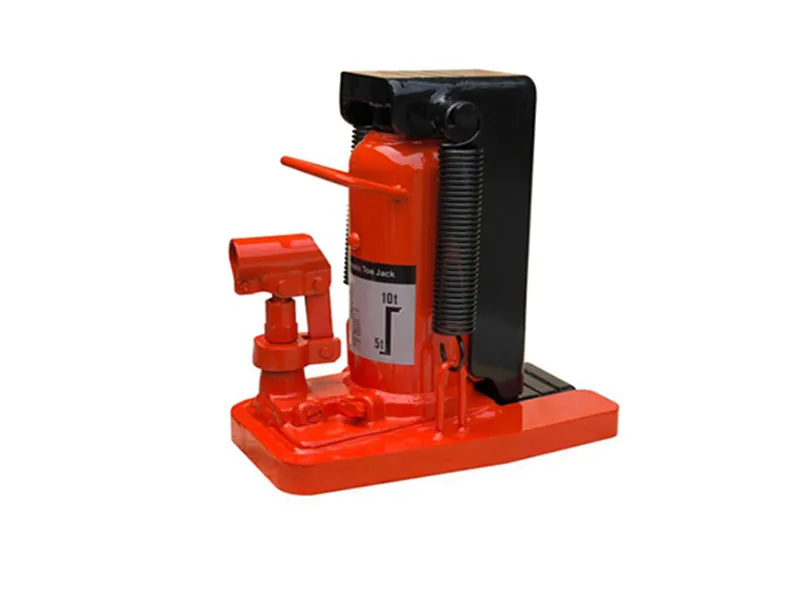
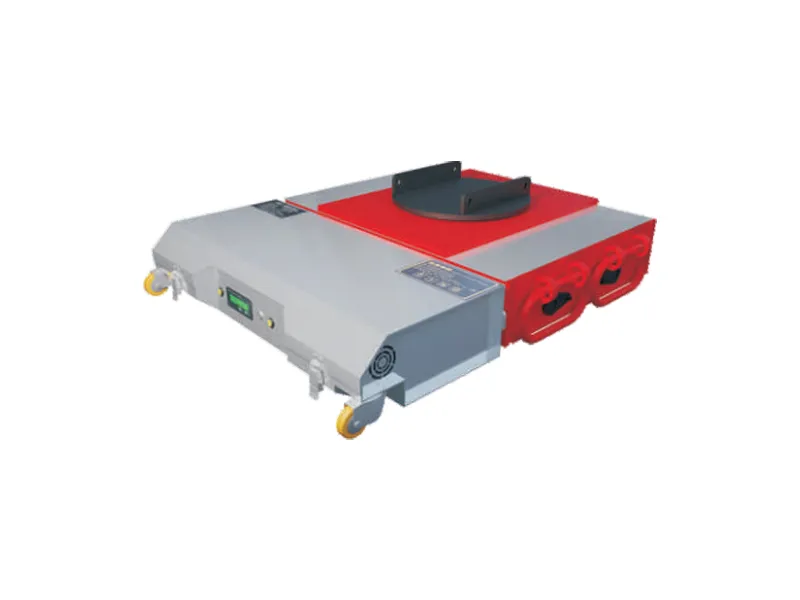
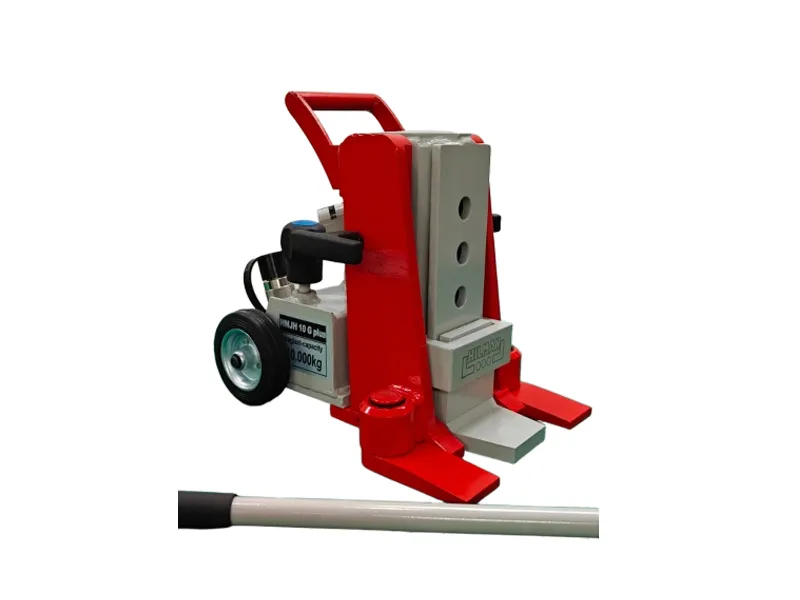
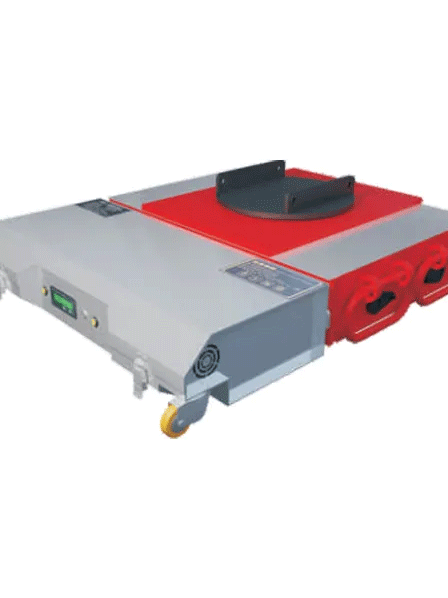
Moving heavy machinery is not as simple as pushing a cart across a floor. The type of floor and wheel material can make or break your operation—both literally and metaphorically. Here’s why surface matters so much. Selecting the right heavy machinery moving equipment is essential for ensuring safe and efficient transport in industrial environments. Before the skates are positioned, correctly rated moving jacks should raise the load only high enough to create safe insertion clearance while maintaining stable support points.
Static vs. Kinetic Friction: What You Must Know
Friction dynamics dictate how much force is required to start and sustain movement. Static friction resists the initial push, while kinetic friction impacts how smoothly the load glides once it’s in motion. On slippery floors, such as those found in factory environments with oil spills or water (slurry floors), wheels with the wrong material can "kick out," causing dangerous instability. That initial "breakaway force" becomes a pivotal moment that no plant manager or rigger can afford to underestimate.
Scenario A: Moving on Dry, Polished, or Coated Concrete
For pristine, dry, or coated concrete floors, your primary concern is preventing surface damage while achieving a smooth, quiet rolling motion.
Top Choice: High-Performance Polyurethane (PU)
Polyurethane wheels excel here for a few key reasons:
Floor Preservation: PU’s soft Durometer rating (hardness level) ensures the protective coating of polished or epoxy concrete floors remains unmarred. This prevents delamination and costly repairs.
Mitigating Noise and Vibration: The elastic properties of PU lower the vibration and noise levels that inevitably accompany movement.
The 2026 Insight on ESG Standards
Modern ESG (Environmental, Social, and Governance) standards are elevating floor preservation to a Project KPI (Key Performance Indicator) for manufacturing and industrial facilities. Damaged floors mean costly repairs, operational delays, and compliance headaches. High-quality polyurethane wheels from JC Lifting are an investment in meeting these higher standards while keeping operations smooth and efficient.
Scenario B: Moving on Slurry, Oily, or Unfinished Surfaces
Slurry floors—those slick with liquids like oil, water, or coolant—create a daunting challenge for movers. Liquids function as lubricants, greatly reducing the coefficient of friction (grip). Polyurethane wheels, effective on dry floors, may hydroplane under these conditions, risking a failed or dangerous move.
Top Choice: Nylon or Heat-Treated Steel Wheels
Nylon: These wheels thrive in harsh, wet environments. Chemically inert, nylon resists swelling and degradation when exposed to machine oils, coolants, and other chemical spills commonly found in factories.
Steel: For the heaviest loads on slurry floors, heat-treated or alloy steel wheels deliver unmatched durability and reduced rolling resistance.
Why JC Lifting Trusts Nylon
As experts in rigger equipment and mobility solutions, JC Lifting recommends nylon wheels for shop floors where leaks from hydraulic systems, coolants, or heavy slurry are present. By resisting chemical degradation and maintaining low rolling resistance, nylon wheels ensure safety and reliability even in the most unpredictable conditions.
Comparison Matrix: Wheel Material vs. Environment (Snippet Bait)
To simplify your decision-making, here’s a quick-reference comparison of wheel materials based on key performance factors:
| Wheel Material | Best For | Floor Protection | Rolling Resistance | Durability in Slurry |
| Polyurethane (PU) | Finished or Epoxy Dry Floors | High | Medium | Low |
| Nylon | Slurry or Chemical-Exposed Floors | Medium | Low | High |
| Steel | Extreme Loads/Unfinished Surfaces | Low | Lowest | Very High |
Load Distribution and "Flat-Spotting"
Avoiding Flat-Spotting Dangers
When heavy machinery sits stationary for too long on lower-quality wheels, materials like low-grade polyurethane tend to deform, creating “flat spots.” These flat spots lead to uneven rolling, resulting in jerky and potentially unstable movements.
The JC Lifting Solution
With precision engineering, JC Lifting’s skate designs distribute heavy loads evenly, preventing material fatigue. If extended stationary periods are unavoidable, incorporating heat-treated steel wheels or high-grade PU mixtures with advanced rebound properties can significantly reduce risks.
Maintenance for 2026: Prolonging Your Move
Proper maintenance is critical to extending the lifespan of your wheels and ensuring safety during every move. Incorporate these steps into your routine:
Inspect Wheels for Damage: Check polyurethane wheels for embedded debris (e.g., metal shavings) that can puncture protective floor coatings or compromise traction.
Test Bearings: Look for signs of “slurry ingress,” which can cause the wheel’s internal mechanisms to seize up.
Conduct Load Testing: After changing materials, verify weight distribution and rolling resistance through small trial moves to ensure operational safety.
FAQ: Can I Mix Wheel Materials on the Same Move?
No, mixing wheel materials is highly discouraged. Different materials have varying levels of rolling resistance, leading to uneven load distribution. This imbalance causes the load to veer or "track," increasing the risk of unintended tipping or unexpected instability. Always use a consistent wheel material for a uniform move.
Conclusion: Matching Material to Mission
Choosing the right wheel material for your machinery moving skates is more than a technical decision—it’s a critical safety, efficiency, and cost-saving consideration. Whether you’re preserving a polished factory floor or navigating a slippery, oil-covered surface, matching your wheel type to the operating environment ensures successful operations, reduced wear, and protected assets.
 English