Choosing an industrial jack is not simply a matter of finding a model with a high tonnage label. A suitable jack must fit under the load, reach the required lifting point, remain stable on the available foundation, operate with the plant's preferred power source and provide enough control for the complete lifting sequence. A jack that can theoretically generate the required force may still be unsuitable if its closed height is too large, its stroke is too short or its saddle cannot contact the load correctly.Industrial buyers also need to distinguish lifting from supporting. A jack is generally used to raise, lower or position a load; it should not automatically be treated as the permanent support beneath machinery, vehicles or structures. The lifting plan should include cribbing, blocking, stands or an engineered support method appropriate to the load and local safety requirements.This guide explains the main heavy-duty jack types, capacity terminology, selection calculations, industrial applications and purchasing mistakes that affect safety, productivity and total ownership cost. It is intended for maintenance teams, machinery installers, railway workshops, construction contractors, power plants, manufacturers and international equipment buyers comparing standard or customized Jucai lifting solutions.
What Is a Heavy Duty Lifting Jack?
A heavy duty lifting jack is a mechanical, hydraulic, pneumatic or electro-hydraulic device designed to raise or position high-mass industrial loads through controlled force applied at one or more lifting points.The term “heavy duty” describes the application and construction level rather than one universal capacity threshold. In one workshop, a 10-ton jack may be considered heavy duty because it handles machine tools and production equipment. In bridge, rail or energy projects, individual lifting points may require 50, 100 or several hundred tons. The correct definition therefore depends on the load, number of lifting points, duty cycle and consequences of failure.
How a Lifting Jack Generates Force
A mechanical screw jack converts input torque into linear movement through a screw and nut mechanism. Hydraulic jacks use pressurized fluid acting on a piston. Pneumatic or air-over-hydraulic models use compressed air to power or assist the hydraulic circuit. Electric systems use a motor-driven pump or actuator for faster and more repeatable operation.For a hydraulic cylinder, the theoretical lifting force is calculated from pressure and effective piston area:Force = hydraulic pressure × piston area.This relationship explains why a large piston can generate high force at a common industrial hydraulic pressure. However, theoretical force does not replace the manufacturer's rated capacity. Friction, seal condition, pressure losses, component design, load angle and safety factors affect the usable rating. Buyers should always use the marked capacity and approved operating instructions.
Lifting, Holding and Positioning Are Different Duties
A jack may be selected for a short lift that creates space for skates, a controlled machine installation, long-stroke raising, synchronized structural positioning or vehicle service. These duties place different demands on stroke, return method, load-holding features and cycle frequency.
Lifting: Raising the load through a defined vertical distance.
Lowering: Returning the load at a controlled rate without sudden movement.
Positioning: Making small, accurate height adjustments for alignment.
Holding: Maintaining a lifted condition while a separate support system is installed.
Synchronized lifting: Coordinating several points to limit tilt and structural distortion.
Before purchasing a heavy duty lifting jack, the engineering team should describe the entire work sequence rather than only the heaviest object. The jack may need to fit below the load at the start, lift high enough to install support, retract without trapping the tool and remain movable between several positions.
Heavy Duty Does Not Mean Safe Under Every Condition
Rated capacity normally assumes proper setup, centered loading, a firm base and operation within the specified stroke. Side loading, unstable ground, damaged saddles, improvised extensions and shock loading can create conditions outside the design basis. Capacity should never be interpreted as permission to lift any object of equal weight in any orientation.OSHA's general-industry jack rule requires the operator to ensure that the jack is rated to lift and sustain the load and requires the rated load to be permanently marked in a prominent location. It also requires the raised load to be cribbed, blocked or otherwise secured immediately. These requirements are useful procurement reminders even for projects outside the United States, although buyers must follow the laws and standards applicable in their own location.
Types of Heavy Duty Lifting Jacks for Industrial Applications
Heavy duty lifting jack types are classified by force-generation method, load-contact position, minimum height, stroke, mobility and the way one or multiple lifting points are controlled.No single jack type is best for every industrial task. A maintenance team lifting from a low machine frame may need a toe jack. A railway depot may need a purpose-designed rail or vehicle jack. A machinery installer may prefer a low-height hydraulic cylinder, while a structure-lifting contractor may require synchronized cylinders and a central control system.
| Jack Type | Best Feature | Typical Limitation | Common Applications | Key Specification |
|---|
| Hydraulic cylinder jack | High force in a compact body | Requires a compatible pump, hose and control method | Machine installation, maintenance, structural lifting and pressing | Capacity, closed height, stroke, return type and working pressure |
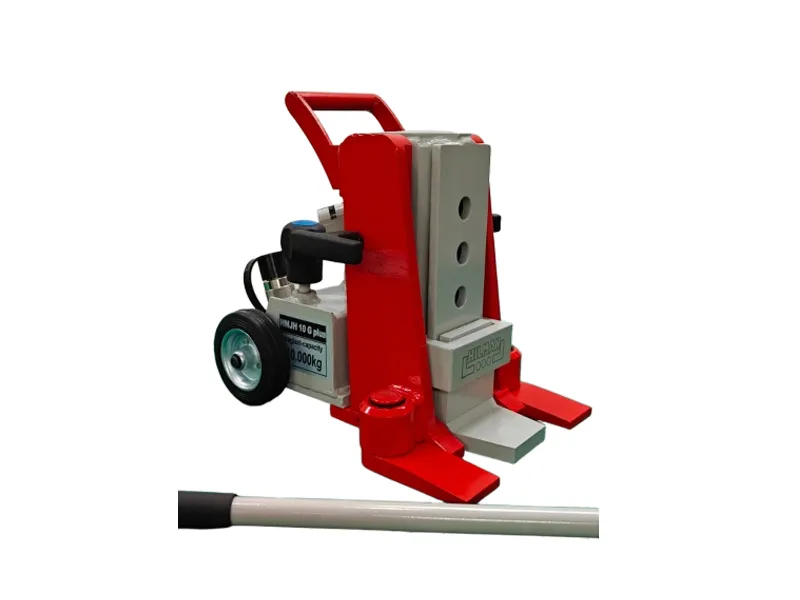
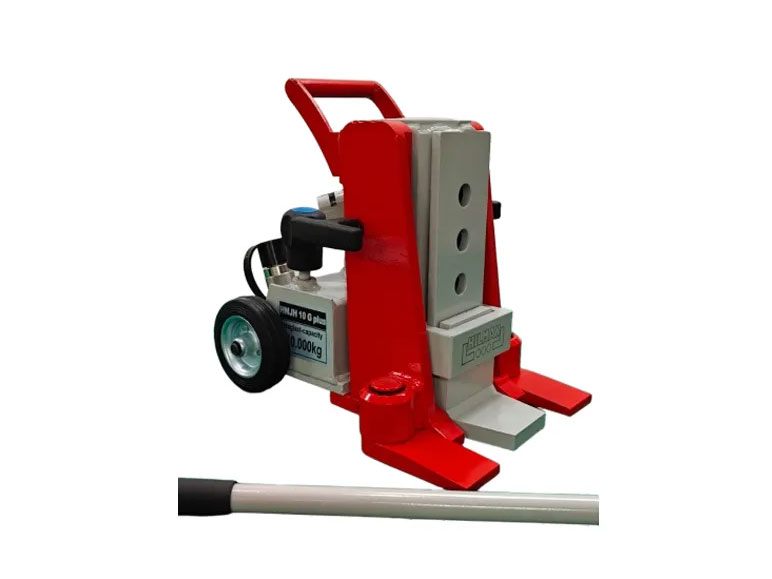
| Hydraulic toe jack | Lifts from a very low side contact point | Toe capacity may differ from head capacity | Machine tools, transformers, cabinets and low-clearance equipment | Toe height, toe capacity, base stability and head capacity |
| Mechanical screw jack | Controlled movement without hydraulic power | Manual operation can be slower and input torque can be high | Workshops, support adjustment, maintenance and installations | Rated load, screw travel, effort, self-locking behavior and base size |
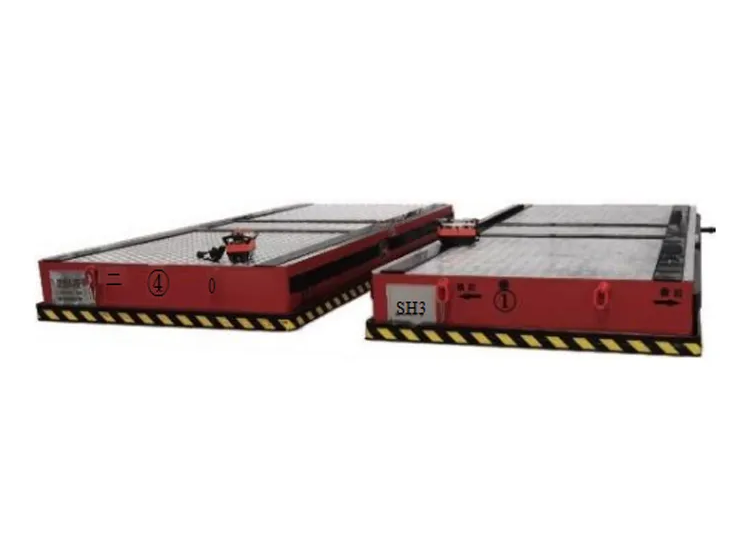
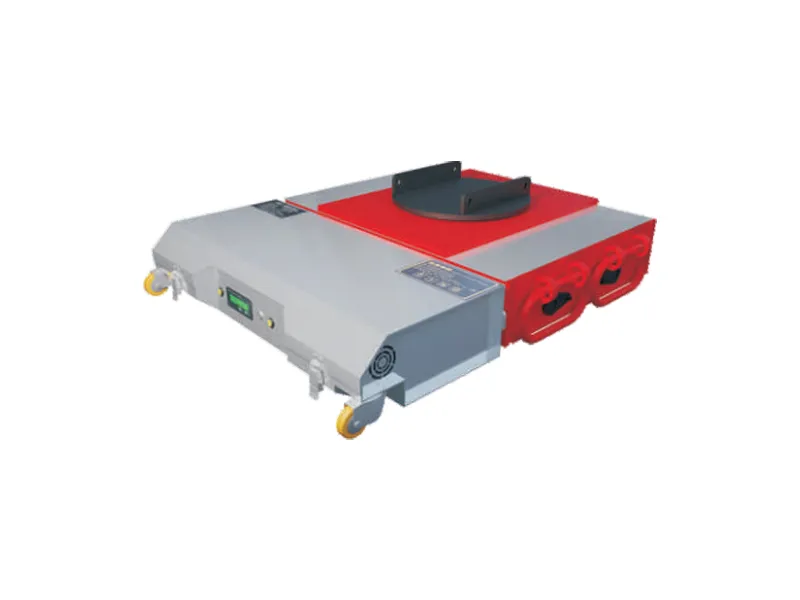
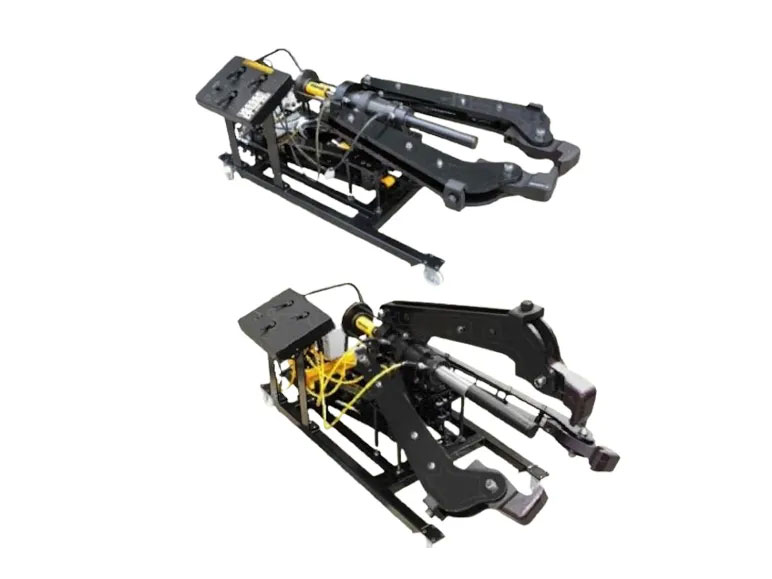
| Railway or rail-car jack | Purpose-designed contact and stability for rail equipment | Less versatile outside the intended vehicle or rail geometry | Rail depots, wheel service and rolling-stock maintenance | Vehicle interface, lift points, travel, synchronization and mobility |
| Air-operated hydraulic jack | Faster repeated lifting where compressed air is available | Performance depends on air pressure, air quality and maintenance | Vehicle workshops, tire service and production maintenance | Required air supply, hydraulic capacity, lift height and controls |
| Electric or battery-powered hydraulic jack | Faster operation and reduced manual pumping | Needs power planning, battery management or electrical protection | Field service, factories, construction and repeated lifting cycles | Voltage, battery runtime, pump flow, reservoir and duty cycle |
| Synchronized hydraulic jacking system | Controls several lifting points together | Higher system complexity, setup and monitoring requirements | Bridges, large machinery, modules, structures and precision installation | Number of points, sensor accuracy, control tolerance and total oil volume |
Hydraulic Cylinder Jacks
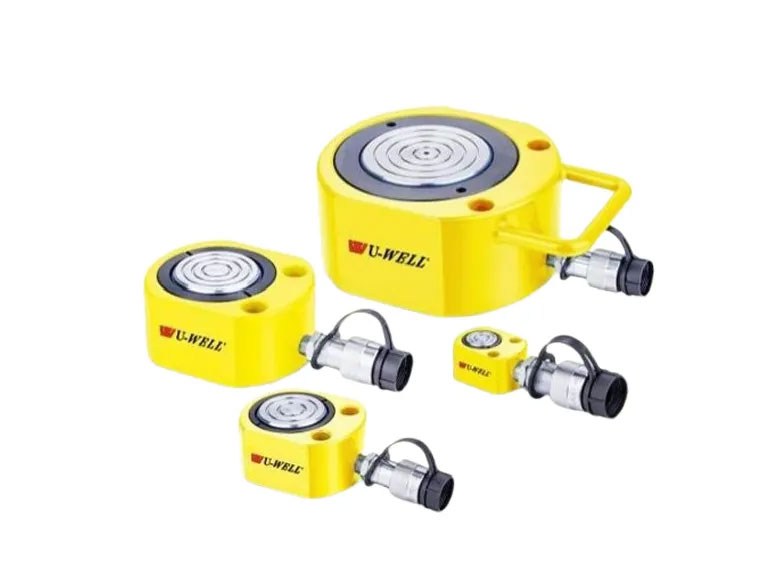
Hydraulic cylinders are common in industrial lifting because they can generate high force from a compact tool. Available forms include general-purpose single-acting cylinders, double-acting cylinders, low-height cylinders, lock-nut cylinders, hollow-plunger cylinders and high-tonnage units.A single-acting cylinder usually uses hydraulic pressure for extension and a spring or load for return. A double-acting cylinder uses hydraulic pressure in both directions, giving more positive retraction and better control in demanding cycles. Lock-nut designs provide a mechanical means of supporting the piston position when used according to the manufacturer's instructions, although the complete load-support plan still needs engineering review.
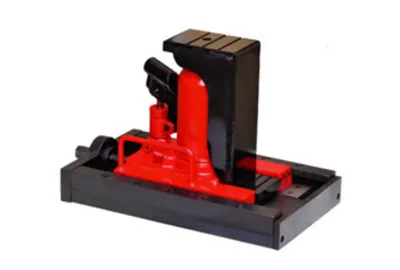
Hydraulic Toe Jacks
Toe jacks are designed for machinery with little clearance below the frame. The load contacts a low lifting toe extending from the jack body. Many designs also provide a top saddle, allowing the same tool to lift from the head when more clearance is available.When evaluating a hydraulic toe jack, the buyer should confirm that the published tonnage applies to the toe position being used. The minimum toe height, toe length and load-contact area must suit the machine frame. A narrow or damaged contact edge can concentrate stress and allow the load to slip.
Mechanical Screw Jacks
Mechanical jacks are useful where hydraulic hoses are undesirable, power is unavailable or the operator needs simple incremental adjustment. Screw movement can provide good positional control. Depending on the design, the mechanism may resist back-driving, but buyers should never assume self-locking behavior without written confirmation.
Rail and Vehicle Lifting Jacks
Railway maintenance involves defined lifting points, vehicle geometry and often multiple jacks. A rail-car lifting arrangement may need synchronized movement to control body twist. Mobile designs can help reposition jacks between work bays, while fixed systems may suit high-volume depots.The manufacturer should receive vehicle weight distribution and lifting-point drawings, not only the total vehicle weight. Axle load, center of gravity, uneven loading and maintenance condition can change the force at each jack.
Air, Electric and Battery-Powered Jacks
Powered jacks reduce manual pumping and can shorten repetitive service cycles. Air-hydraulic systems are practical in workshops with a reliable compressed-air network. Electric pumps provide predictable flow and can operate single or multiple cylinders. Battery systems support field work where mains power and air lines are unavailable.
Synchronized Lifting Systems
When a large load has several lifting points, equal-capacity jacks do not automatically move equally. Differences in load distribution, hose length, friction and cylinder area can cause one point to rise faster than another. A synchronized system may use displacement sensors, pressure feedback or flow control to coordinate movement.
How to Choose the Right Heavy Duty Lifting Jack
Choosing the right heavy duty lifting jack means matching rated capacity, lifting geometry, stroke, stability, control method, environment and support plan to the complete industrial lifting procedure.
Step 1: Identify the Real Load at Each Lifting Point
Start with verified mass and center-of-gravity information. Do not divide the total weight equally by the number of jacks unless an engineer has shown that the load is evenly distributed. A 100-ton machine supported at four points does not necessarily apply exactly 25 tons to each point.Uneven floors, offset components and changing geometry during the lift can shift reactions. The selection should include an engineering allowance appropriate to uncertainty and applicable rules, but buyers should avoid inventing a universal percentage. The required margin depends on the system, manufacturer and lifting plan.
Step 2: Measure the Available Clearance
Closed height is often the first practical restriction. Measure the vertical gap at the actual lifting point after considering floor plates, machine feet, base channels and access direction. A jack that is only a few millimeters too tall may lead operators to use unsafe improvised methods.For low clearance, compare toe jacks, pancake cylinders, wedge jacks and low-height hydraulic cylinders. Also check whether the tool can be removed after the load is transferred to cribbing or skates.
Step 3: Define Required Stroke and Final Height
Stroke is piston or screw travel, not the total raised height above the floor. The jack's starting height plus usable stroke must create enough space for the next task. If the lift occurs in stages, define the blocking procedure and whether the jack can reset safely.A long-stroke jack may appear convenient but can be taller, heavier and more sensitive to side loading. Multiple controlled stages may be preferable to one excessive stroke, depending on the work plan.
Step 4: Check the Load Contact
The saddle, toe or adapter must match the approved lifting point. A flat saddle under a curved or angled surface can create point contact. An adapter should be designed for the jack and load, not improvised at the worksite.Confirm whether swivel saddles are permitted and how much angular compensation they provide. Swivel features do not make side loading acceptable; they are intended to improve contact within specified limits.
Step 5: Evaluate the Foundation
The jack base transmits the complete force into the floor or ground. A high-capacity tool on weak soil, thin concrete or an uneven plate can sink or tilt. The lifting plan should verify bearing pressure and use engineered base plates, cribbing or mats where necessary.OSHA requires blocking when a firm foundation is absent and calls for a block between the jack cap and load where cap slippage is possible. The material and geometry of any blocking should be selected by competent personnel for the actual load.
Step 6: Select the Return Method
Spring-return cylinders are simple and common for intermittent lifting, but return speed depends on spring force, hose condition and fluid flow. Load-return cylinders rely on the load to retract. Double-acting cylinders use hydraulic pressure for return, which can be valuable for long strokes, horizontal use and frequent cycles.Buyers should confirm whether the jack may be used in the required orientation. A cylinder designed primarily for vertical operation may have different performance or bleeding requirements when used horizontally or inverted.
Step 7: Match the Power Unit and Controls
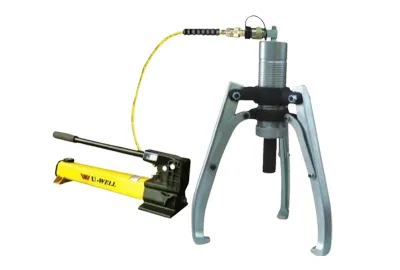
A complete hydraulic system includes the jack, pump, reservoir, valves, hoses, couplers, gauges and controls. The pump must provide the required pressure, sufficient oil volume and appropriate flow. Hose and coupler ratings must match the system pressure and fluid.For low-frequency field work, a hand pump can be practical. A workshop or production line may justify an electric or air-powered pump. Buyers comparing a hydraulic jack and pump arrangement should calculate the total cylinder oil demand and confirm whether the selected reservoir can extend all connected cylinders through the required stroke.
Step 8: Consider Speed Without Sacrificing Control
Fast extension can improve productivity but makes alignment and final positioning more difficult. Many systems use a two-stage pump or separate approach and lifting speeds. The ideal speed depends on load stability, operator visibility and whether several jacks are coordinated.Lowering control is equally important. The valve should allow smooth metering without sudden descent. Heavy loads store significant potential energy; lowering should be treated as an engineered phase of the operation.
Step 9: Review Environment and Duty Cycle
Outdoor, marine, dusty, corrosive, explosive or freezing environments require additional consideration. OSHA specifically notes that hydraulic jacks exposed to freezing temperatures should use adequate antifreeze liquid. The manufacturer should confirm compatible fluid and seal materials rather than the operator adding an unknown product.Duty cycle affects heat, seal wear and maintenance frequency. A jack used twice a month has different requirements from one completing hundreds of cycles per shift. State the expected cycles, operating hours and rest intervals in the inquiry.
Step 10: Confirm Inspection, Service and Spare Parts
Inspection access, seal kits, hoses, couplers and local technical support affect ownership cost. OSHA's general-industry and construction jack provisions call for at least six-month inspections for constant or intermittent use at one locality, inspection when a jack is sent out and returned from special work, and inspection immediately before and after abnormal load or shock.These intervals are regulatory requirements for the covered U.S. workplaces, not a universal maintenance schedule. Manufacturers may require more frequent checks, and local rules may differ. A buyer should establish a documented inspection plan based on duty and risk.
Heavy Duty Lifting Jack Capacity Explained
Heavy duty lifting jack capacity is the maximum load the manufacturer permits the jack to raise or sustain under specified setup, operating and maintenance conditions.
Tons, Tonnes and Kilonewtons
Capacity may be stated in metric tonnes, short tons, long tons or kilonewtons. These units are not identical. One metric tonne-force is approximately 9.81 kilonewtons. Therefore, a nominal 50-metric-tonne lifting force corresponds to approximately 490.5 kilonewtons.A U.S. short ton equals 2,000 pounds, while a metric tonne equals approximately 2,204.6 pounds. International buyers should confirm which “ton” the datasheet uses. A conversion error becomes significant on high-capacity equipment.
| Nominal Metric Capacity | Approximate Force | Example Use | Selection Warning |
|---|
| 10 tonnes | 98.1 kN | Smaller machine tools, service work and component lifting | Actual point load may exceed one-quarter of a 40-ton total machine |
| 25 tonnes | 245.3 kN | Industrial machinery, heavy maintenance and installation | Check closed height and base pressure |
| 50 tonnes | 490.5 kN | Large equipment, rail maintenance and structural work | Confirm pump pressure, oil volume and support plan |
| 100 tonnes | 981 kN | Heavy machinery, bridge components and energy projects | High force requires engineered load contact and foundation |
| 200 tonnes | 1,962 kN | Large structural and industrial lifting systems | Multi-point synchronization and monitoring may be essential |
The examples are directional, not application approvals. A 50-ton jack is not automatically appropriate for every 50-ton object. Geometry, load distribution and dynamic conditions must be evaluated.
Rated Capacity Is Not the Same as System Capacity
If four 50-ton cylinders are connected, the system should not automatically be described as a safe 200-ton lifting system. The structure may load one cylinder more heavily, the pump may not control all points equally and the foundation may not support the reactions. System capacity is limited by the weakest component and the actual load distribution.Valves, manifolds, hoses, couplers and fittings must all be rated for the system pressure. A high-capacity cylinder connected through an unsuitable accessory creates a system that cannot be evaluated from the cylinder label alone.
Head Capacity and Toe Capacity
Some toe jacks have different ratings at the toe and top saddle. The lower toe position can introduce different stresses and may have a lower permitted capacity. Datasheets should clearly state both values. If only one capacity is shown, the buyer should ask which lifting position it covers.
Capacity Through the Full Stroke
A hydraulic cylinder may provide its rated axial force through the stated stroke when correctly used, but stability can change as the piston extends. Long exposed piston length increases sensitivity to off-center loading. Mechanical jacks may also have different allowable conditions at maximum extension.Buyers should confirm maximum usable extension, stop arrangements and whether extensions or spacers are approved. OSHA's construction rule requires jacks to have a positive stop to prevent overtravel.
Pressure Gauge Readings and Load Estimation
Hydraulic pressure can be used to estimate cylinder force if the effective area is known. For example, a cylinder with an effective piston area of 100 square centimeters operating at 500 bar produces a theoretical force of 500 kilonewtons because 500 bar equals 50 newtons per square millimeter and 100 square centimeters equals 10,000 square millimeters.The calculation is theoretical and should not be used as a substitute for a calibrated load-monitoring system where accurate force measurement is required. Gauge accuracy, friction and pressure location influence the estimate. For synchronized lifts, displacement monitoring can be as important as pressure.
Static Load, Dynamic Load and Shock
Jack ratings generally address controlled lifting, not impact. A load that drops a small distance onto a jack can create forces much higher than its static weight. Machinery starting, rotating or shifting while supported can also change reactions.The lifting plan should eliminate shock and unexpected movement. OSHA requires immediate inspection before and after a jack experiences abnormal load or shock in covered workplaces, which reinforces the importance of removing the tool from service after such an event until it is evaluated.
Heavy Duty Lifting Jack Applications Across Different Industries
Heavy duty lifting jack applications are industrial operations in which controlled point lifting is used to create clearance, align components, support installation steps or raise equipment for maintenance.
Manufacturing and Factory Maintenance
Factories use jacks to raise presses, CNC machines, injection molding equipment, production lines and utility modules. Toe jacks can create initial clearance for machinery skates, while hydraulic cylinders can level a machine during installation.Maintenance teams often need compact tools that can be moved between departments. The selected jack should fit the plant's heaviest approved equipment and common lifting points without becoming unnecessarily large for routine work.
Heavy Machinery Installation
Installing large machinery involves unloading, positioning, alignment and foundation work. Jacks may lift the machine to install skates, adjust leveling plates or remove transport supports. Precise height control can be more important than speed.The installation contractor should receive equipment drawings identifying approved lift points. Lifting under sheet-metal covers, piping or unreinforced bases can cause damage even when the jack capacity is adequate.
Railway Maintenance
Rail depots use lifting equipment for rolling-stock inspection, wheel and bogie service, body work and component replacement. Vehicle-specific contact points and synchronization can be critical. Mobile rail jacks may improve bay flexibility, while fixed systems can support repeated maintenance programs.The supplier needs rail-car mass, axle arrangement, center of gravity, lift height and number of lifting points. Controls should prevent excessive height difference where vehicle twist is limited.
Power Generation and Energy
Power plants and energy facilities use jacks for turbines, generators, transformers, pumps, heat exchangers and structural modules. Work may occur in restricted spaces with high consequences for misalignment.Lock-nut cylinders or engineered support systems may be considered when a load remains elevated during extended maintenance. The final arrangement should be approved for the duration, temperature and vibration conditions.
Construction and Structural Work
Construction jacks can raise beams, temporary works, modules and bridge components. These projects require engineered load paths, foundations and monitoring. Weather, ground settlement and changing structural stiffness can influence the lift.OSHA's construction jack rule requires rated capacity markings, positive stops, suitable blocking and immediate securing of the raised load. Local structural and lifting standards may impose additional requirements.
Ports, Shipyards and Marine Equipment
Port and shipyard maintenance may involve cranes, container-handling equipment, gearboxes, vessel components and large vehicles. Salt, moisture and uneven outdoor foundations affect equipment selection. Corrosion protection, hose routing and stable base plates should be discussed with the manufacturer.
Mining and Off-Highway Equipment
Mining maintenance requires rugged tools for large mobile equipment and plant machinery. Dirt, impact risk, remote locations and high component weights make inspection and spare-parts planning important. A compact high-tonnage cylinder can be useful, but the lifting point and ground support must be engineered.
Aerospace and Precision Assembly
Aerospace and precision manufacturing may use multiple jacks to position fixtures, modules or large assemblies with small allowable distortion. Here, synchronized control and displacement measurement can be more important than maximum speed.The project should define acceptable level difference in millimeters, required positioning resolution and how the load will be supported after alignment.
Vehicle and Workshop Service
Truck and industrial vehicle workshops use floor, mobile, air-hydraulic and axle jacks. Portable automotive service equipment may fall within the scope of ASME PASE, which covers design, construction, marking, operation, maintenance and inspection for automotive hand jacks, mechanical jacks, stands, mobile vehicle lifts and related equipment.Automotive service requirements should not be transferred automatically to machinery or structural lifting. The applicable equipment category and standard must match the use.
Common Heavy Duty Lifting Jack Buying Mistakes
Heavy duty lifting jack buying mistakes occur when purchasers compare tonnage and price without verifying load distribution, geometry, system compatibility, operating conditions and post-lift support.
Mistake 1: Buying Exactly the Calculated Load
Selecting a jack whose rating exactly matches an estimated load leaves no allowance for uncertainty and may ignore uneven distribution. The solution is not to apply a random universal safety factor but to have the lifting reactions and applicable design requirements reviewed by competent personnel.
Mistake 2: Ignoring Closed Height
A high-capacity jack is useless if it cannot enter the available gap. Buyers should measure every intended lifting point and include any base plate or saddle adapter in the total height.
Mistake 3: Confusing Stroke with Lift Height
Stroke describes moving travel, while overall height includes the closed body and extended piston. A 100-millimeter stroke does not mean the load will finish 100 millimeters above the floor. The starting contact elevation must be included.
Mistake 4: Assuming All Points Carry Equal Loads
Dividing total machine mass by four jacks can underestimate the most heavily loaded point. Center of gravity, frame stiffness and floor elevation affect reactions. Multi-point systems need a load-distribution and synchronization plan.
Mistake 5: Purchasing the Jack Without the Complete Hydraulic System
A cylinder, pump and hose cannot be selected independently. Pressure rating, oil volume, couplers, valve function and return method must be compatible. A small reservoir may extend one cylinder but fail when several cylinders operate together.
Mistake 6: Treating the Jack as Permanent Support
Once a load is raised, it should be secured using an approved method. OSHA explicitly requires immediate cribbing, blocking or other securing in covered workplaces. The purchasing list should therefore include the required supports, not only the jack.
Mistake 7: Using Unapproved Extensions or Welded Modifications
Improvised height extensions can introduce bending, unstable contact and material uncertainty. Modifying the saddle, base or piston can invalidate the rating. Required adapters should be engineered and approved by the manufacturer.
Mistake 8: Selecting by Maximum Speed
Fast lifting is attractive in a quotation but can reduce control near the final position. Buyers should compare approach speed, loaded speed and lowering control. Variable or staged speed may be more useful than one high flow rate.
Mistake 9: Overlooking Hose and Coupler Management
Hoses can be damaged by sharp edges, vehicles, hot surfaces and falling components. Couplers can trap pressure or become contaminated. The system design should include hose length, routing, protection and storage.
Mistake 10: Ignoring Inspection Requirements
A jack purchase should include inspection criteria, records, spare parts and tagging procedures. OSHA requires out-of-order jacks to be tagged and not used until repaired. Operators also need a pre-use inspection routine for leaks, deformation, damaged threads, abnormal movement and unreadable capacity markings.
Mistake 11: Choosing a General Jack for a Specialized Interface
Rail vehicles, transformers, machine bases and curved components may need purpose-designed toes or saddles. A general cylinder can generate force but may not make safe contact. Share drawings and photographs with the supplier.
Mistake 12: Comparing Suppliers Only by Price
A lower initial price can be offset by poor documentation, mismatched pumps, unavailable seals or inconsistent capacity testing. Industrial buyers should compare material specifications, manufacturing controls, load verification, pressure testing, drawings, warranty and after-sales response.
What to Include in a Request for Quotation
Total load and estimated reaction at each lifting point
Load drawings, photographs and approved contact locations
Minimum available clearance and required final height
Required stroke and number of lifting stages
Number of jacks operating at the same time
Acceptable level or synchronization difference
Foundation type and available base area
Required power source and operating speed
Indoor, outdoor, marine, dusty or freezing environment
Expected cycles per shift and annual usage
Required standards, documentation and inspection certificates
Destination country, quantity and delivery schedule
Jucai's product range includes hydraulic rail lifting jacks, wedge jacks, high-stroke jacks, multi-stage adjustable jacks, mechanical jacks, powered pumps and industrial cylinders. Providing a complete application brief allows the Jucai engineering and sales team to compare standard models or propose customized capacity, stroke, dimensions, controls and accessories.
Frequently Asked Questions About Heavy Duty Lifting Jacks
1. What type of jack is best for lifting industrial machinery?
A hydraulic cylinder jack or toe jack is often suitable, depending on available clearance and the machine's approved lifting points. Mechanical jacks can also work where hydraulic power is undesirable. The final choice should consider load distribution, stroke, base stability and how the machine will be supported after lifting.
2. How much jack capacity do I need?
Determine the maximum reaction at each lifting point rather than dividing total mass equally. Select equipment according to the manufacturer's rating, the engineered lifting plan and applicable safety requirements. Capacity markings must not be exceeded.
3. Can a hydraulic jack hold a load for a long time?
A standard hydraulic jack should not automatically be treated as permanent support. Raised loads should be cribbed, blocked, placed on approved stands or supported by an engineered load-holding method. Lock-nut cylinders may provide mechanical holding when correctly specified and operated.
4. What is the best jack for low-clearance lifting?
Toe jacks, low-height cylinders, pancake cylinders and wedge jacks are common options. Compare minimum insertion height, capacity at the actual contact point, stroke and base stability. The tool must also be removable after the load is transferred.
5. Can several hydraulic jacks lift one load together?
Yes, but equal-capacity jacks may not move equally. Large or rigid loads may require synchronized controls, displacement sensors, matched cylinders and a defined level tolerance. An engineer should evaluate load distribution and structural distortion.
6. How often should an industrial jack be inspected?
Inspection frequency depends on local rules, manufacturer instructions, duty and service conditions. OSHA requires at least six-month inspection for covered jacks used constantly or intermittently at one locality, inspections when special-work jacks leave and return to the shop, and immediate checks before and after abnormal load or shock.
Conclusion: Select the Jack as Part of a Complete Lifting System
The right heavy duty lifting jack is the jack that safely fits the real load, lifting point, clearance, stroke, foundation, power source, control method and post-lift support procedure.Capacity is only the starting point. Industrial buyers should calculate point loads, verify units, measure closed height, define required stroke and confirm the saddle or toe interface. Hydraulic systems must be purchased as compatible combinations of cylinders, pumps, valves, hoses, gauges and controls.The lifting plan should also cover foundation pressure, blocking, lowering, inspection and out-of-service procedures. Multi-point projects require special attention to load distribution and synchronization. Specialized applications such as rail maintenance, transformers, structural work and low-clearance machinery installation may justify purpose-designed jacks and adapters.Jucai supports factories, maintenance contractors and project buyers with a broad range of heavy-duty lifting jacks, hydraulic cylinders, pumps and customized lifting solutions. Sharing complete load, geometry, environment and operating data is the fastest way to receive a technically relevant recommendation and quotation.
External References
OSHA 29 CFR 1910.244 — Other Portable Tools and Equipment: https://www.osha.gov/laws-regs/regulations/standardnumber/1910/1910.244
OSHA 29 CFR 1926.305 — Jacks: Lever and Ratchet, Screw, and Hydraulic: https://www.osha.gov/laws-regs/regulations/standardnumber/1926/1926.305
ASME PASE — Safety Standard for Portable Automotive Service Equipment: https://www.asme.org/codes-standards/find-codes-standards/pase-safety-standard-portable-automotive-service-equipment
 English