Moving oversized and high-value equipment inside industrial facilities requires transportation solutions that provide stability, precision, and operational efficiency. As manufacturing equipment becomes larger, heavier, and more sensitive, traditional handling methods such as forklifts, cranes, and mechanical rollers may not always meet the requirements of modern industrial relocation projects.
Air cushion vehicles provide an advanced approach to heavy load movement by using compressed air technology to create a low-friction lifting surface beneath the load. This allows operators to move large machinery smoothly with minimal force while reducing floor pressure and improving positioning accuracy. From automotive production lines and aerospace workshops to power equipment installation and heavy manufacturing plants, air cushion systems have become an effective solution for complex material handling challenges.
With extensive experience in industrial lifting and moving solutions, JC Lifting Machinery provides reliable equipment designed for demanding factory environments. This article explores the key applications of air cushion vehicles, their operational advantages, and how manufacturers can select the right heavy-load transportation solution for different industrial requirements.
What Is an Air Cushion Vehicle and How Does It Work?
An air cushion vehicle is a specialized industrial transportation system that uses compressed air to create a thin air film between the moving equipment and the floor surface. This technology significantly reduces friction, allowing operators to move extremely heavy loads with much less effort compared with traditional transportation methods.
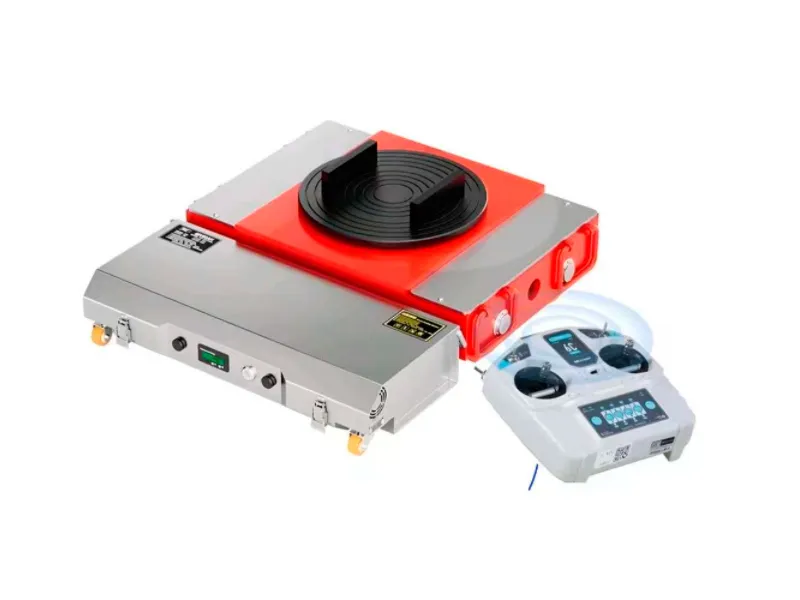
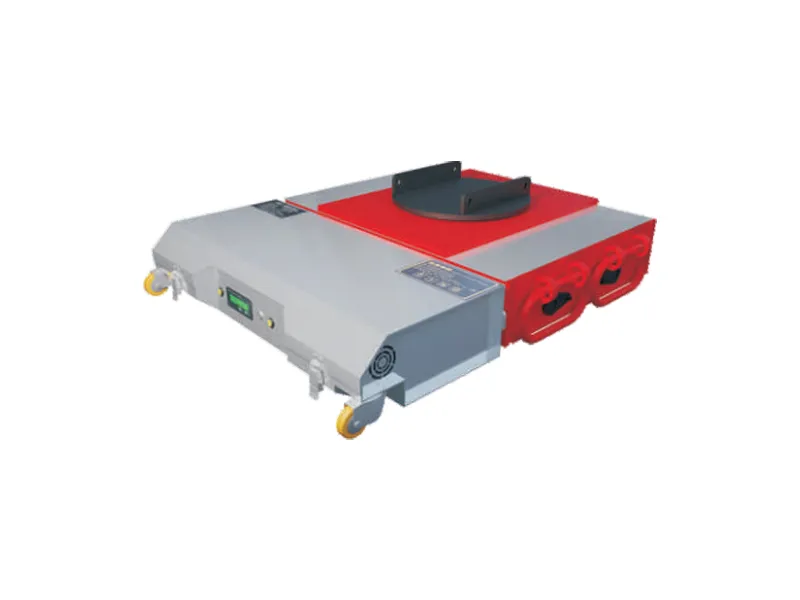
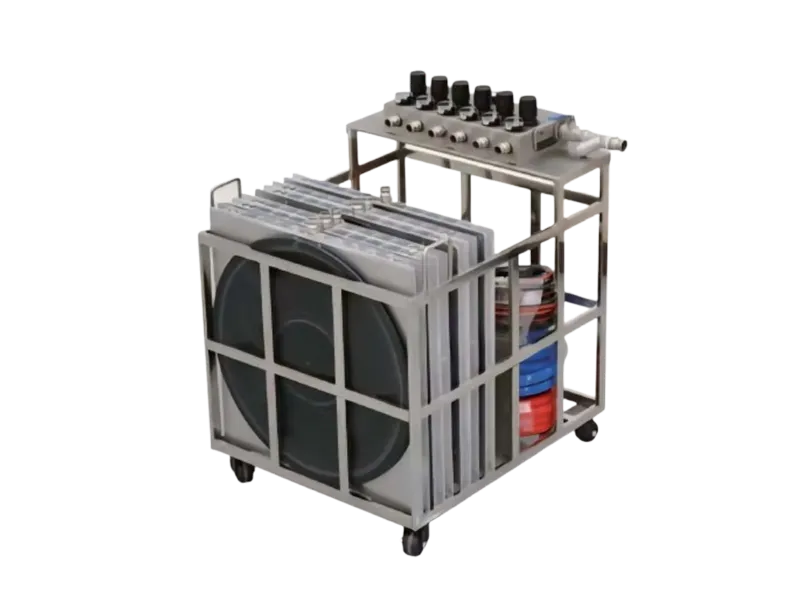
The system typically consists of air cushion modules, lifting pads, control units, and a compressed air supply system. When air enters the cushion chambers, the load is slightly lifted from the ground, creating a controlled floating effect. This allows heavy equipment to move smoothly across flat surfaces while minimizing contact pressure.
The basic operating process includes:
Preparing the equipment and determining the load distribution
Positioning air cushion modules underneath the load
Connecting the compressed air source
Activating the lifting system to generate the air film
Moving and positioning the equipment through manual or powered control
Unlike conventional wheeled transport systems, air cushion technology distributes the load over a wider area. This reduces concentrated pressure on the floor and allows heavy equipment to be moved through areas where traditional equipment may cause damage or require additional reinforcement.
The lifting stability of an air cushion system depends on the coordinated performance of multiple components, including air chambers, control mechanisms, and the air cushion cylinder, which helps maintain consistent lifting pressure during operation.
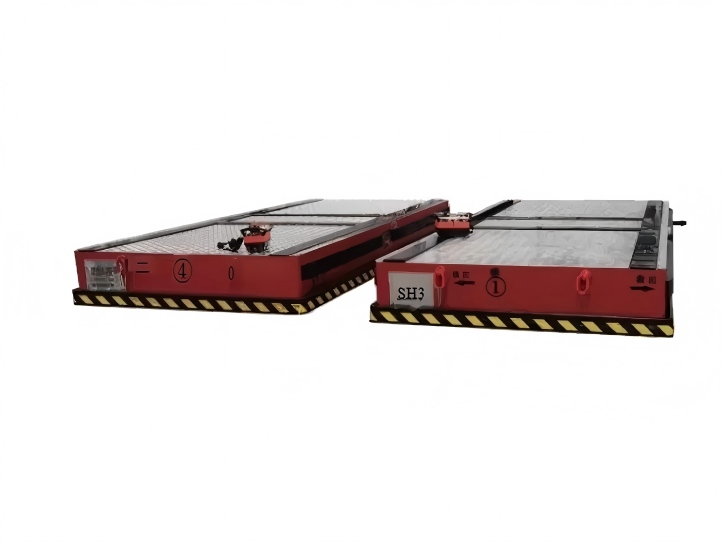
Why Are Air Cushion Vehicles Used in Modern Manufacturing Facilities?
Manufacturing facilities are continuously evolving toward larger production systems, automated equipment, and highly integrated production lines. As a result, the relocation and installation of industrial machinery have become more complex.
Large equipment such as CNC machines, robotic systems, presses, transformers, and assembly units often have significant weight and limited movement flexibility. Traditional transportation methods may require extensive preparation, additional lifting equipment, or temporary structural modifications.
Air cushion vehicles provide several advantages that make them suitable for modern manufacturing environments:
| Application Requirement | Air Cushion Vehicle Solution |
|---|
| Moving extremely heavy equipment | Creates low-friction movement with reduced operator effort |
| Protecting industrial floors | Distributes load pressure evenly across a larger surface |
| Precise equipment positioning | Allows smooth and controlled horizontal movement |
| Working in limited spaces | Provides flexible movement without large turning areas |
| Reducing installation downtime | Improves efficiency during relocation projects |
For manufacturers, reducing downtime during equipment relocation is a major priority. A well-designed air cushion system can shorten installation periods while improving safety and protecting valuable production assets.
What Industries Use Air Cushion Vehicles?
Air cushion vehicles are widely applied in industries where heavy equipment must be moved safely, efficiently, and accurately. Their ability to handle large loads with minimal friction makes them suitable for many industrial environments.
Automotive Manufacturing Facilities
The automotive industry relies heavily on large production equipment, including stamping machines, welding systems, assembly equipment, and automated production units. During factory expansion, equipment replacement, or production line adjustment, moving these machines safely is essential.
Air cushion vehicles allow automotive manufacturers to relocate heavy equipment without extensive dismantling. Their smooth movement capability helps reduce vibration and protects sensitive mechanical components.
In addition, production facilities often require frequent layout changes to improve manufacturing efficiency. Air cushion systems provide the flexibility needed for these adjustments without major infrastructure changes.
Aerospace Manufacturing and Precision Equipment Handling
Aerospace manufacturing requires extremely careful handling because production equipment and components often have strict accuracy requirements. Excessive vibration, impact, or uncontrolled movement may affect equipment calibration and operational performance.
Air cushion vehicles provide stable transportation with minimal mechanical contact. This makes them suitable for moving precision machines, testing equipment, and large aerospace manufacturing systems.
Heavy Machinery Manufacturing
Manufacturers of industrial machinery frequently need to move equipment during assembly, testing, and installation. Large machines may need to be repositioned multiple times before final production deployment.
Compared with traditional transportation methods, air cushion systems provide greater flexibility inside workshops where space is limited and precise positioning is required.
Power Equipment and Energy Projects
Power generation equipment, transformers, and electrical systems often involve extremely heavy loads. During installation projects, engineers need transportation solutions that provide accurate positioning and reliable load support.
Air cushion vehicles can help move large energy equipment through industrial facilities while reducing floor stress and improving operational control.
How Do Air Cushion Vehicles Improve Heavy Equipment Movement?
The main advantage of air cushion technology is the reduction of friction between the load and the floor. Traditional rolling systems depend on wheels, rollers, or tracks, which may create resistance and require significant pulling force.
By creating an air film, air cushion vehicles allow heavy loads to move with significantly less resistance. This provides several operational benefits:
Smoother movement of oversized equipment
Reduced manpower requirements
Lower risk of floor damage
Improved positioning accuracy
Better adaptability for complex industrial layouts
For factories handling frequent equipment relocation, selecting suitable equipment such as air skates for moving heavy equipment can improve transportation efficiency and provide a safer alternative to conventional handling methods.
Air Cushion Vehicle Applications in Industrial Projects
Beyond regular factory movement, air cushion vehicles are also used in specialized industrial projects where traditional methods may be difficult to apply.
Factory Relocation Projects
When an entire production line needs to be relocated, minimizing downtime is critical. Air cushion vehicles allow large machines to be moved efficiently while reducing preparation time.
Machine Installation and Positioning
Precision positioning is essential during equipment installation. Air cushion systems allow engineers to make small adjustments smoothly, improving installation accuracy.
Cleanroom and Sensitive Manufacturing Environments
Industries such as electronics and semiconductor manufacturing require careful handling because dust, vibration, and floor damage can affect production quality. Air cushion systems provide cleaner and smoother movement compared with traditional mechanical methods.
Air Cushion Vehicle vs Traditional Heavy Load Moving Methods
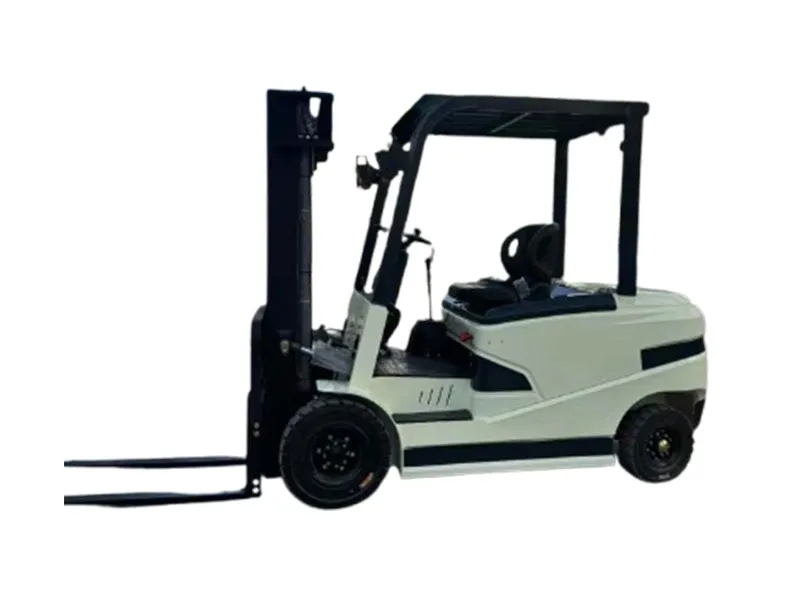
Industrial facilities have multiple options when transporting heavy equipment, including cranes, forklifts, mechanical skates, and hydraulic transport systems. Each method has specific advantages, but air cushion vehicles provide unique benefits when smooth movement, floor protection, and precise positioning are required.
| Moving Solution | Advantages | Limitations | Suitable Applications |
|---|
| Air Cushion Vehicle | Low friction movement, excellent floor protection, precise positioning | Requires compressed air supply and suitable floor conditions | Heavy machinery relocation, precision equipment installation |
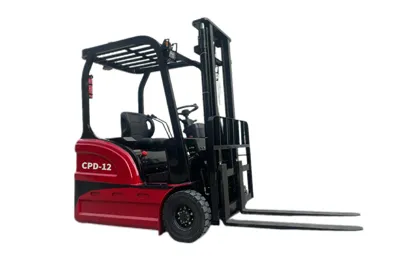
| Forklift | Flexible and widely available | Limited lifting capacity and access restrictions | Warehouse handling, general material movement |
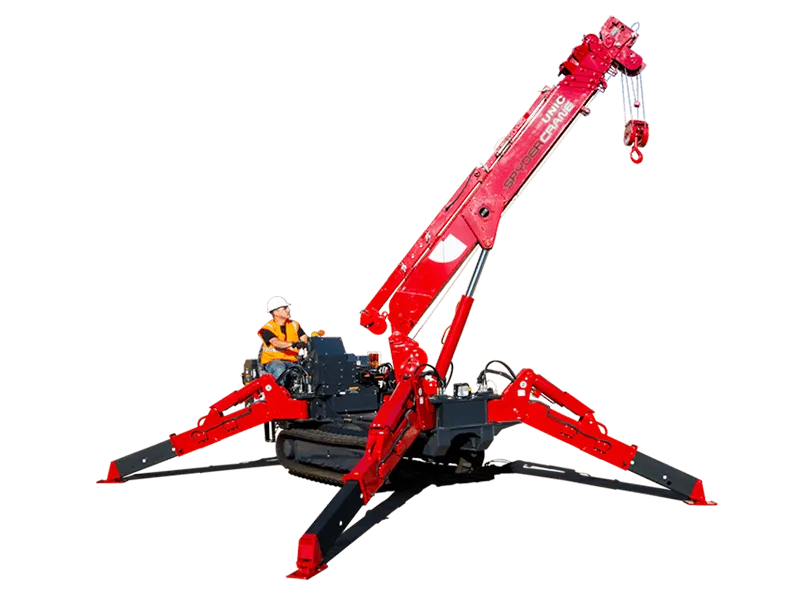
| Crane System | Suitable for vertical lifting and extremely heavy loads | Requires installation space and lifting planning | Equipment installation, construction projects |
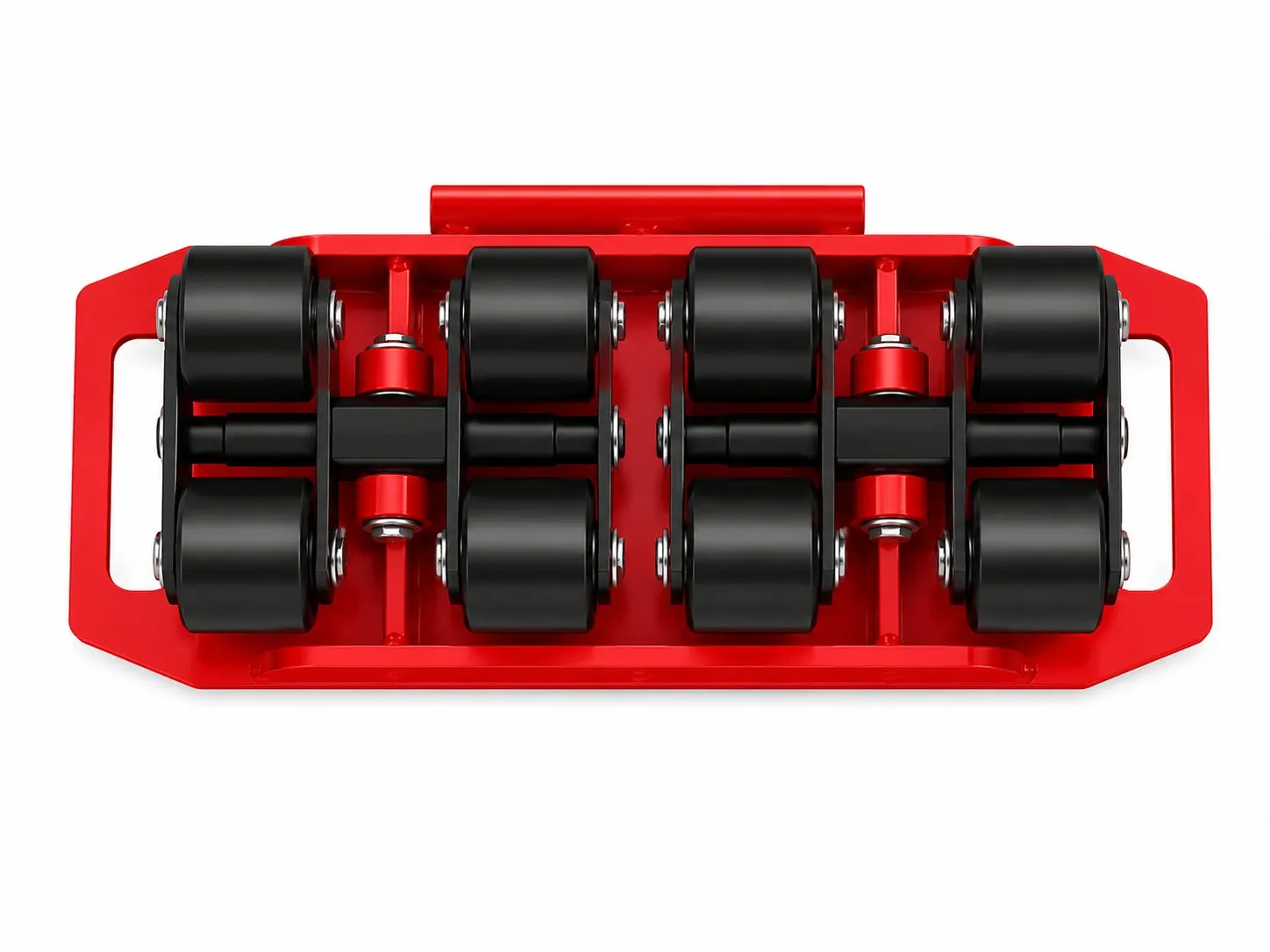
| Mechanical Skates | Reliable and simple heavy load transportation | Higher rolling resistance compared with air systems | Factory equipment movement |
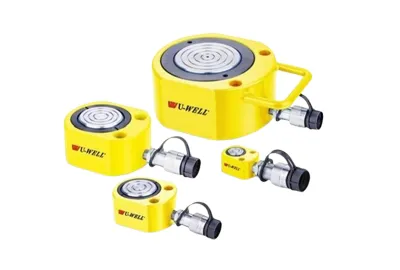
| Hydraulic Transporters | High load capacity and strong stability | Higher equipment cost and space requirements | Large-scale industrial projects |
The correct choice depends on the project environment. For vertical lifting operations, cranes remain essential. For routine warehouse movement, forklifts may be sufficient. However, when factories need to move oversized equipment horizontally with minimal floor impact, air cushion technology provides significant advantages.
What Are the Main Advantages of Air Cushion Vehicles in Industrial Applications?
Air cushion vehicles are increasingly used in modern industrial facilities because they solve several challenges associated with conventional heavy load transportation. Their advantages are especially valuable in industries where equipment relocation must be safe, accurate, and efficient.
1. Extremely Low Friction Movement
The biggest advantage of an air cushion system is its ability to reduce friction between the load and the floor. Traditional rollers and wheels create resistance through mechanical contact, while air cushion technology uses a controlled air film to support movement.
This allows operators to move heavy equipment using significantly less force. For large industrial machines weighing several tons or more, the reduction in resistance can greatly improve operational efficiency.
2. Better Floor Protection
Industrial floors are often designed for production activities rather than heavy transportation loads. Concentrated pressure from wheels or rollers may damage surfaces, create marks, or require additional reinforcement.
Air cushion vehicles distribute the load over a larger area, reducing pressure concentration. This makes them particularly suitable for facilities with expensive flooring systems, cleanrooms, and precision manufacturing environments.
3. Improved Positioning Accuracy
Many industrial projects require more than simple transportation. Heavy equipment often needs to be positioned precisely during installation or production line adjustment.
Because air cushion vehicles allow smooth multi-directional movement, operators can make fine adjustments without using large amounts of mechanical force. This improves installation efficiency and reduces the risk of equipment misalignment.
4. Flexible Movement in Limited Spaces
Manufacturing facilities often have restricted working areas, narrow aisles, and complex layouts. Large transportation equipment may not be suitable in these environments.
Air cushion systems provide excellent maneuverability because they do not rely on fixed wheels or tracks. Operators can move equipment in multiple directions, making them suitable for challenging industrial environments.
How to Select the Right Air Cushion Vehicle System?
Selecting an air cushion vehicle requires careful evaluation of the equipment being moved, the working environment, and operational requirements. Choosing the wrong system may reduce efficiency or create unnecessary safety risks.
1. Evaluate Load Capacity
The first step is determining the total weight of the equipment. This should include the machine itself, attached components, accessories, and any additional loads.
Industrial users should consider:
A suitable safety margin should always be included to ensure stable operation during transportation.
2. Consider Floor Conditions
Although air cushion vehicles reduce floor pressure, the surface condition still affects performance. The floor should generally be flat, clean, and capable of maintaining the required air seal.
Important factors include:
3. Check Compressed Air Requirements
Air cushion systems depend on a stable compressed air supply. Before operation, companies should confirm that their facility can provide sufficient air pressure and flow.
The required air supply depends on:
Load weight
Number of modules
Operating conditions
Movement distance
4. Analyze Movement Distance and Frequency
Different projects have different transportation requirements. A company that occasionally relocates equipment may require a different solution compared with a facility performing daily equipment movement.
Frequent industrial transportation projects should prioritize durability, ease of operation, and maintenance requirements when selecting equipment.
Technical Parameters Comparison of Air Cushion Moving Systems
The performance of an air cushion vehicle depends on several technical specifications. Understanding these parameters helps industrial users choose suitable equipment for different applications.
| Parameter | Description | Industrial Consideration |
|---|
| Load Capacity | Maximum weight the system can support | Should include an appropriate safety margin |
| Air Pressure Requirement | Compressed air needed for lifting operation | Must match facility air supply capability |
| Module Quantity | Number of air cushion units used together | Depends on equipment size and weight distribution |
| Movement Control | Manual or powered control options | Determines positioning accuracy |
| Floor Compatibility | Required surface conditions | Important for maintaining air seal performance |
Why Choose JC Lifting Machinery for Air Cushion Solutions?
JC Lifting Machinery specializes in industrial lifting and heavy load transportation solutions designed for demanding manufacturing environments. The company understands that every equipment relocation project involves different challenges, from load characteristics and facility layout to safety requirements.
JC Lifting Machinery focuses on providing solutions that help customers:
Improve heavy equipment transportation efficiency
Reduce risks during machinery relocation
Protect valuable industrial assets
Optimize installation and maintenance operations
With experience in industrial material handling applications, JC Lifting Machinery supports customers in selecting suitable equipment configurations based on actual project requirements.
Application-Focused Engineering Support
Industrial moving projects often require customized solutions rather than standard products. JC Lifting Machinery evaluates factors such as equipment weight, dimensions, working environment, and transportation route before recommending suitable solutions.
This application-focused approach helps customers achieve safer and more efficient heavy equipment movement.
Reliable Equipment for Industrial Environments
Industrial facilities require moving equipment that can perform consistently under demanding conditions. JC Lifting Machinery emphasizes practical design, reliable performance, and long-term usability to support manufacturing operations.
For applications requiring specialized solutions, an air cushion for moving heavy loads provides an effective method for transporting large industrial equipment with reduced friction and improved control.
Safety Considerations When Using Air Cushion Vehicles in Industrial Facilities
Although air cushion vehicles significantly improve the efficiency of heavy equipment transportation, safe operation still requires proper planning, equipment selection, and operating procedures. Industrial facilities should evaluate the working environment and establish suitable safety practices before moving large machinery.
Confirm Load Stability Before Operation
Before activating an air cushion system, operators should confirm that the load is properly supported and evenly distributed. Uneven weight distribution may affect lifting performance and create instability during movement.
Important checks include:
Confirming total equipment weight
Checking the centre of gravity
Ensuring all support points are correctly positioned
Verifying that the load remains stable during movement
Inspect the Equipment Before Use
Regular inspection helps maintain reliable performance and prevents unexpected problems during operation. Before each project, operators should inspect air cushions, connection systems, control units, and related components.
Common inspection items include:
Air leakage detection
Condition of lifting pads
Compressed air connections
Control system performance
Structural condition of supporting components
Prepare the Transportation Route
The movement path should be carefully evaluated before transporting heavy equipment. Although air cushion vehicles offer excellent flexibility, obstacles, uneven surfaces, and floor damage may affect performance.
Operators should ensure:
The route is clear of obstacles
The floor surface is suitable
There is sufficient operating space
Personnel remain clear of moving loads
Following proper industrial safety practices helps reduce risks and ensures that air cushion systems deliver their full performance advantages.
Frequently Asked Questions About Air Cushion Vehicles
1. What is an air cushion vehicle used for?
An air cushion vehicle is used for moving heavy industrial equipment with reduced friction and improved control. It is commonly applied in manufacturing facilities, aerospace workshops, automotive factories, power equipment installation projects, and industrial relocation operations.
The technology is especially useful when companies need to move large machines safely without damaging floors or requiring extensive lifting equipment.
2. How does an air cushion vehicle move heavy loads?
An air cushion vehicle uses compressed air to create a thin air layer between the equipment and the floor. This reduces friction and allows heavy loads to move smoothly with significantly less pushing force compared with traditional transportation methods.
The system works by distributing the load across multiple air cushion modules, creating a stable and controlled movement platform.
3. What are the advantages of air cushion vehicles compared with mechanical skates?
Air cushion vehicles provide several advantages compared with traditional mechanical skates, including lower friction, better floor protection, smoother movement, and improved positioning accuracy.
Mechanical skates remain useful for many applications, but air cushion systems are often preferred when moving very heavy or sensitive equipment where vibration control and precise positioning are important.
4. What industries commonly use air cushion transportation systems?
Air cushion transportation systems are widely used in industries that handle large and valuable equipment, including:
Automotive manufacturing
Aerospace production
Semiconductor and electronics manufacturing
Heavy machinery production
Energy and power equipment installation
These industries benefit from the technology because it provides safer and more efficient equipment relocation solutions.
5. What factors should be considered when selecting an air cushion vehicle?
The main factors include load weight, equipment dimensions, floor conditions, compressed air availability, movement distance, and operating frequency.
Companies should select an air cushion system based on actual project requirements rather than only considering maximum load capacity.
6. Are air cushion vehicles suitable for precision equipment movement?
Yes. Air cushion vehicles are particularly suitable for precision equipment because they provide smooth movement with minimal vibration. This makes them valuable for industries where equipment alignment and protection are critical.
Proper planning and correct equipment configuration are essential to achieve safe and accurate transportation results.
Conclusion
Air cushion vehicles have become an important solution for modern industrial material handling because they provide efficient, safe, and precise movement of heavy equipment. Their low-friction operation, excellent floor protection, and flexible positioning capability make them suitable for demanding manufacturing and industrial applications.
From automotive factories and aerospace facilities to heavy machinery plants and power equipment projects, air cushion technology helps companies reduce relocation challenges and improve operational efficiency.
JC Lifting Machinery provides professional industrial lifting and moving solutions designed to support different heavy equipment transportation requirements. By combining practical engineering experience with application-focused solutions, JC Lifting Machinery helps customers achieve safer and more efficient industrial operations.
External References
 English