Choosing the right lifting equipment for heavy equipment maintenance requires careful consideration of lifting capacity, working height, hydraulic performance, and operational safety. A suitable floor jack should not only provide enough lifting force but also maintain stable support during inspection, repair, and replacement operations.
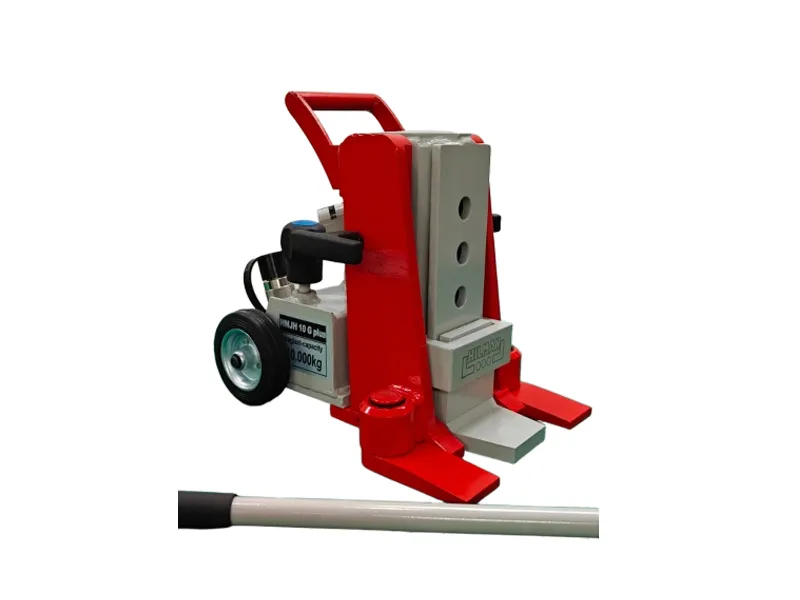
A 4 ton high lift floor jack is designed for professional maintenance environments where technicians need additional lifting height and reliable support for heavy equipment. Compared with standard floor jacks, high lift models provide greater clearance, making them suitable for applications involving commercial vehicles, industrial machinery, and large mechanical assemblies.
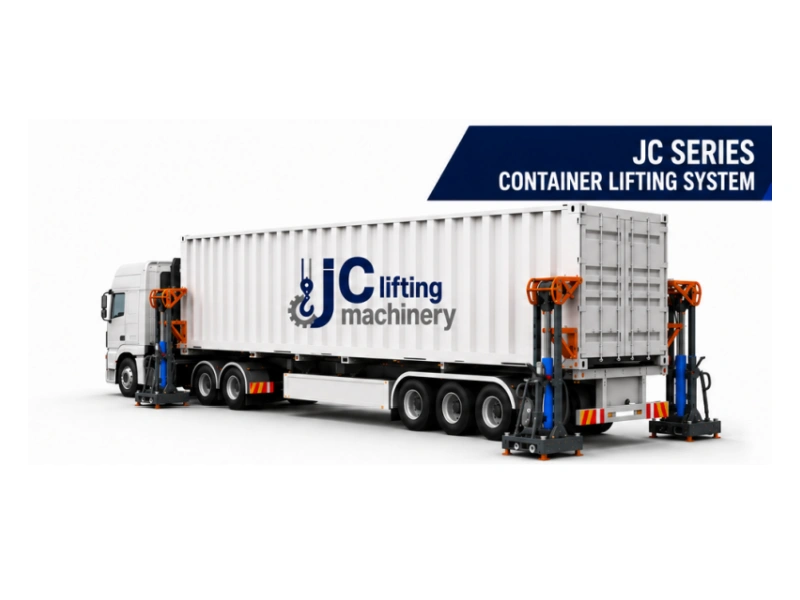
For workshops, repair facilities, and industrial service companies, selecting the correct jack directly affects maintenance efficiency and workplace safety. JC Lifting Machinery provides professional lifting solutions designed for demanding industrial applications, helping customers choose suitable equipment according to load requirements, operating conditions, and maintenance needs.
What Is a 4 Ton High Lift Floor Jack Used For?
A 4 ton high lift floor jack is a hydraulic lifting device designed to raise heavy loads and provide sufficient working clearance for maintenance operations. The “4 ton” capacity indicates the maximum load the equipment can support, while the “high lift” design allows technicians to access areas that require additional space underneath the equipment.
Unlike lightweight lifting tools designed for occasional use, professional high lift floor jacks are built for repeated operation in workshops and industrial environments. They typically feature reinforced steel frames, durable hydraulic systems, and stable lifting mechanisms to support heavier applications.
Common applications include:
Heavy-duty vehicle maintenance
Industrial machinery inspection
Mechanical component replacement
Equipment adjustment and installation
Workshop repair operations
When selecting a jack for maintenance work, users should evaluate the actual load, lifting points, required clearance, and operating frequency. A model with sufficient capacity but unsuitable lifting height may not provide the efficiency required for professional applications.
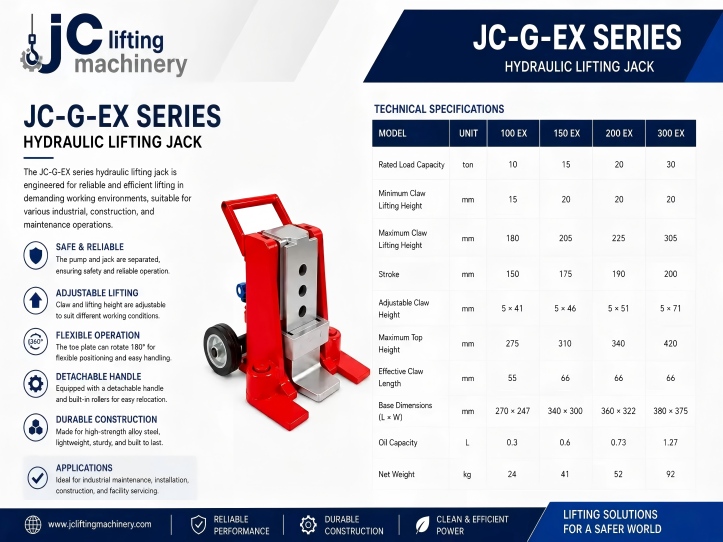
Why Is Lifting Capacity Important When Selecting a Floor Jack?
Lifting capacity is one of the most important specifications when choosing a floor jack because it determines whether the equipment can safely support the intended load. However, professional users should not select equipment based only on the maximum rated capacity.
The actual application should consider:
For example, a machine with uneven weight distribution may require a different lifting approach compared with a balanced vehicle load. Understanding these factors helps prevent excessive stress on the hydraulic system and improves operational safety.
How Does a Hydraulic Floor Jack Work?
A hydraulic floor jack uses hydraulic pressure to convert manual pumping force into lifting power. When the operator moves the handle, hydraulic fluid is pushed into the cylinder, creating pressure that raises the lifting arm and supports the equipment.
The main working process includes:
The jack is positioned under the approved lifting point.
The operator activates the hydraulic pump mechanism.
Hydraulic fluid generates pressure inside the cylinder.
The lifting arm rises gradually.
The equipment is lifted to the required maintenance height.
A professional hydraulic floor jack depends on the quality of several key components:
| Component | Function | Impact on Performance |
|---|
| Hydraulic Cylinder | Produces lifting force through fluid pressure | Determines lifting capability and reliability |
| Pump Assembly | Controls hydraulic fluid movement | Affects lifting speed and efficiency |
| Steel Frame | Supports the load structure | Improves stability during operation |
| Safety Valve | Controls hydraulic pressure | Helps prevent overload conditions |
| Wheels and Handle | Provides mobility and positioning | Improves workshop usability |
Reliable hydraulic performance is especially important in professional maintenance environments where equipment may be used repeatedly every day. A stable hydraulic system reduces pressure loss, improves lifting consistency, and extends service life.
What Are the Advantages of Using a High Lift Floor Jack?
A high lift floor jack provides several advantages compared with standard lifting equipment, especially in applications where technicians need additional access and stronger support.
Greater Working Clearance
Many maintenance tasks require access to components located beneath equipment. A high lift design provides additional space, allowing technicians to perform inspections and repairs more efficiently.
This is particularly useful for:
Suitable for Professional Maintenance Environments
Professional workshops require lifting tools that can withstand frequent operation. Compared with basic consumer products, industrial floor jacks are designed with stronger structures and more reliable hydraulic components.
They are commonly selected by:
Automotive service centres
Industrial repair workshops
Equipment maintenance companies
Manufacturing facilities
Improved Stability During Heavy Lifting
Heavy equipment maintenance requires stable lifting performance. A properly designed high lift floor jack helps maintain balance during operation and reduces the risk of unwanted movement.
Operators should always place the jack on a suitable surface and use approved lifting points to achieve the best safety performance.
Key Factors to Consider Before Buying a 4 Ton High Lift Floor Jack
1. Check the Required Lifting Height
The lifting height determines whether technicians can access the required maintenance area. Before purchasing, users should measure the minimum clearance under the equipment and compare it with the jack specifications.
A suitable lifting range should provide enough working space without reducing stability or portability.
2. Evaluate Hydraulic System Reliability
The hydraulic system is the core of a floor jack. A reliable system should maintain stable pressure and provide smooth lifting performance during repeated operation.
Important considerations include:
For companies that require consistent performance, selecting equipment from an experienced supplier is essential for long-term reliability.
How to Select the Right 4 Ton High Lift Floor Jack for Different Applications?
Different maintenance environments have different lifting requirements. Although a 4 ton high lift floor jack is suitable for many professional applications, the best choice depends on the type of equipment being serviced, working conditions, and frequency of operation.
Heavy Vehicle Maintenance
Heavy vehicle repair workshops often require lifting equipment capable of handling commercial vehicles, trucks, and large mechanical systems. In these applications, the floor jack must provide sufficient lifting capacity while maintaining stability throughout the repair process.
Important requirements include:
Reliable hydraulic performance during repeated use
Strong frame construction for heavy loads
Easy positioning inside workshop environments
Sufficient lifting height for maintenance access
For professional workshops requiring dependable lifting capability, a 4 ton high lift floor jack provides a practical solution for supporting heavy equipment maintenance tasks.
Industrial Machinery Maintenance
Industrial equipment maintenance often involves heavier and more complex loads compared with standard vehicle servicing. Machines may have uneven weight distribution, limited lifting points, and specific clearance requirements.
Before using a floor jack for industrial equipment, technicians should evaluate:
Equipment weight and structure
Approved lifting locations
Required lifting height
Load stability during maintenance
Proper equipment selection helps reduce downtime and allows maintenance teams to complete repair work more efficiently.
Manufacturing Facility Maintenance
Manufacturing facilities frequently perform preventive maintenance, equipment adjustments, and component replacement. A reliable floor jack can support these operations by providing flexible lifting capability without requiring complex installation procedures.
For these environments, durability and operational consistency are particularly important because lifting equipment may be used regularly throughout the production cycle.
What Technical Specifications Should You Check Before Buying a Floor Jack?
Capacity is only one factor when selecting a professional floor jack. Buyers should evaluate the complete technical specifications to ensure the equipment matches their application requirements.
| Specification | Recommended Consideration | Importance |
|---|
| Lifting Capacity | Suitable for the actual equipment weight with safety margin | Ensures safe lifting performance |
| Maximum Height | Matches required maintenance clearance | Provides sufficient working access |
| Minimum Height | Compatible with equipment clearance | Determines whether the jack can be positioned correctly |
| Frame Structure | Heavy-duty steel construction | Improves stability and durability |
| Hydraulic System | Reliable cylinder and sealing design | Maintains consistent lifting performance |
| Mobility | Durable wheels and ergonomic handle | Improves workshop operation efficiency |
Why Is Hydraulic System Quality Important for Heavy Equipment Maintenance?
The hydraulic system is the core of any professional floor jack. A high-quality hydraulic mechanism determines how smoothly the equipment lifts, how well it maintains pressure, and how long it can operate reliably.
Stable Pressure Control
During heavy lifting operations, unstable hydraulic pressure can affect safety and efficiency. A reliable hydraulic system should maintain consistent lifting force throughout the operation.
Reduced Maintenance Requirements
High-quality hydraulic components help reduce leakage risks and unnecessary downtime. For professional workshops, equipment reliability directly affects productivity and service efficiency.
Long-Term Operating Performance
Industrial users typically require lifting equipment that can withstand repeated cycles. Durable hydraulic components, reinforced structures, and quality manufacturing processes contribute to longer service life.
Working with an experienced hydraulic jack factory helps ensure that lifting equipment meets professional performance requirements and provides consistent operation in demanding environments.
How Can Professional Floor Jacks Improve Maintenance Efficiency?
Maintenance efficiency depends not only on technician skills but also on the reliability of the equipment used during repair operations. A suitable floor jack can reduce preparation time, improve accessibility, and create a safer working environment.
Faster Equipment Positioning
Mobile floor jacks allow technicians to position lifting equipment quickly, reducing unnecessary delays during maintenance procedures.
Better Access to Repair Areas
High lift capability provides additional clearance, allowing technicians to inspect and repair components that are difficult to access with standard lifting tools.
Reduced Operational Risks
Professional lifting equipment provides better stability and control compared with improvised lifting methods. This reduces the possibility of equipment movement during maintenance operations.
How Does JC Lifting Machinery Support Heavy Equipment Maintenance?
JC Lifting Machinery provides professional lifting and material handling solutions designed for industrial applications. The company understands that maintenance environments require equipment that combines reliability, safety, and practical operation.
JC Lifting Machinery supports customers with solutions suitable for:
Heavy vehicle maintenance
Industrial machinery servicing
Manufacturing equipment repair
Workshop lifting applications
Professional maintenance operations
Industry-Focused Lifting Solutions
Different customers have different lifting requirements. A repair workshop may prioritize mobility, while an industrial facility may require stronger support and higher durability.
JC Lifting Machinery focuses on understanding application conditions before recommending suitable lifting equipment, helping customers select solutions that match their operational needs.
Reliable Manufacturing Capability
As an experienced lifting jack manufacturer, JC Lifting Machinery focuses on producing dependable lifting solutions for professional users.
The company emphasizes practical design, reliable components, and consistent performance to support customers in demanding industrial environments.
What Safety Practices Should Be Followed When Using a Floor Jack?
Correct operation is essential for maintaining safety during heavy equipment lifting. Even high-quality lifting equipment requires proper procedures and regular inspection.
Inspect Equipment Before Operation
Before use, operators should check:
Use Approved Lifting Points
Incorrect lifting positions can create instability and increase the risk of equipment movement. Operators should always follow equipment guidelines and use appropriate lifting points.
Avoid Overloading
The rated capacity should never be exceeded. Overloading can damage hydraulic components and create serious safety concerns.
Use Additional Support When Necessary
Floor jacks are designed for lifting operations, not for supporting loads indefinitely. Additional mechanical supports should be used when extended maintenance work is required.
Frequently Asked Questions
1. What can a 4 ton high lift floor jack be used for?
A 4 ton high lift floor jack is designed for lifting heavy equipment, commercial vehicles, and industrial components that require stable support during maintenance operations. It is commonly used in professional repair workshops, manufacturing facilities, equipment service centres, and industrial maintenance environments.
Typical applications include vehicle inspections, machinery servicing, component replacement, and equipment adjustment tasks where additional lifting height and reliable support are required.
2. How high can a 4 ton high lift floor jack lift?
The maximum lifting height depends on the specific model and design specifications. High lift floor jacks generally provide greater clearance than standard floor jacks, allowing technicians to access areas underneath heavy equipment more easily.
Before purchasing, users should compare the jack’s minimum and maximum lifting height with the actual requirements of the equipment being maintained. Selecting the correct lifting range helps improve efficiency and prevents insufficient working space.
3. Is a 4 ton floor jack suitable for industrial equipment maintenance?
Yes. A 4 ton floor jack can be suitable for many industrial maintenance applications when the equipment weight, lifting points, and operating conditions are within the jack’s rated specifications.
For industrial applications, users should evaluate more than lifting capacity. Factors such as frame strength, hydraulic system reliability, stability, lifting height, and operating frequency are also important for long-term performance.
4. What is the difference between a standard floor jack and a high lift floor jack?
The main difference is the available lifting range. Standard floor jacks are generally designed for applications where limited clearance is acceptable, while high lift floor jacks provide additional height for maintenance tasks requiring greater access.
High lift models are commonly preferred in professional workshops and industrial environments because they allow technicians to work more comfortably and efficiently underneath larger equipment.
5. How should a hydraulic floor jack be maintained?
Regular maintenance helps maintain reliable lifting performance and extends equipment service life. Recommended maintenance practices include:
Checking hydraulic oil levels regularly
Inspecting hydraulic seals and connections
Cleaning moving components
Checking wheels and frame condition
Storing equipment in a dry environment
Proper maintenance reduces unexpected failures and ensures the floor jack remains reliable during repeated lifting operations.
6. What should I consider before buying a hydraulic floor jack?
Before purchasing a hydraulic floor jack, users should consider:
Required lifting capacity
Maximum and minimum lifting height
Equipment compatibility
Hydraulic system quality
Frequency of operation
Working environment
After-sales technical support
Selecting equipment according to actual application requirements helps ensure better safety, performance, and long-term value.
Conclusion
Selecting the right 4 ton high lift floor jack is essential for safe and efficient heavy equipment maintenance. A professional lifting solution should provide sufficient capacity, stable support, reliable hydraulic performance, and the appropriate lifting range for the intended application.
For repair workshops, industrial facilities, and maintenance teams, choosing suitable lifting equipment can improve workflow efficiency, reduce downtime, and protect valuable equipment during servicing operations.
JC Lifting Machinery provides professional lifting and material handling solutions designed for demanding industrial applications. With practical engineering experience and a focus on reliable performance, JC Lifting Machinery helps customers select suitable equipment for different heavy lifting requirements.
External References
 English